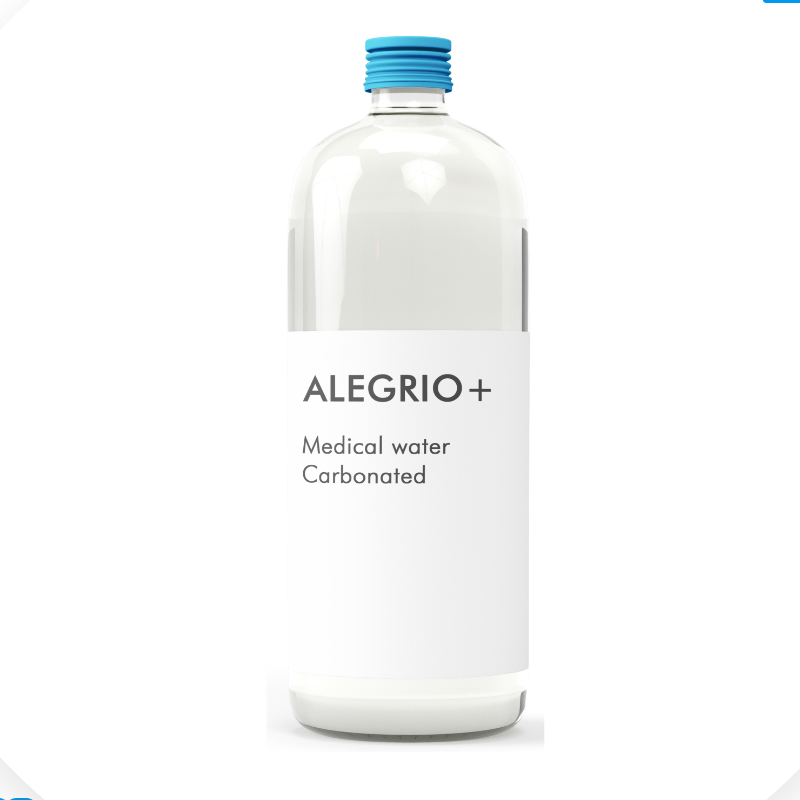
Alegrio +

mg/l
Mineralization
Info Performance
pH

-
mg/l
Hardness Ca+Mg
ms/m
Electrical conductvity
pH
pH (Power of hydrogen) is the number that represents the ratio of H+ (hydrogen) - ions to OH- (oxygen and hydrogen) - ions.

pH stands for numbers 1 to 14. pH below 7 means that the environment is acidic, and above 7 - is alkaline. 7 means that the environment is neutral and the ratio between H + and OH- is equal.
What is the difference between water pH 7, pH 8, and pH 9?
Each subsequent pH-number means that the environment is 10 times more alkaline (more oxygen and hydrogen OH-). If the pH value is greater than 7, then the environment is alkaline (more secured with OH-).
For example pH 8 = 10-times more alkaline than pH 7 and pH 9 = 10-times more alkaline than pH 8.
Conclusion: water with pH 9 is exactly 100-times more alkaline than water with pH 7, and pH 10 is 1000-times more alkaline than pH 7.
The same scheme also applies to the acid environment: pH 4 (more H+ ions) indicates 1000-times more acidic than pH 7, and the environment with pH 3 is 10.000-times more acidic than pH 7.
Carbonation
Carbonated water is also known as sparkling water. The origin of carbon dioxide may be different.
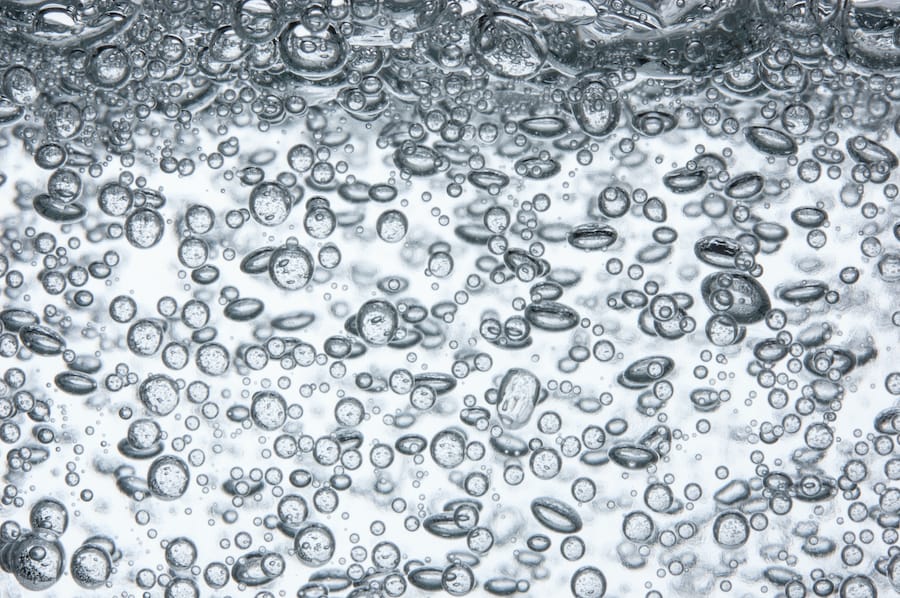
1)Natural- Already from the very birth, the water contains natural carbon dioxide CO2.
2)Natural CO2 is collected from the water birthplace and later added to the bottled water.
3)Artificial carbonation. (in 98% cases)
The Carbonation amount in the water- can be very lightly carbonated, medium, or very tangy.

Virtual Water Sommelier
Your guide, who unveils the secrets behind every drop.
Ask JEAN for his expert opinion on any Water!
Download the PickAqua app and quench your thirst for knowledge!
Let him guide you on a refreshing journey of Water functionality, taste, origin, and more.
Talk to JEAN.
Download PickAqua:


Good for:

Magnesium

Calcium

Chloride

Hydrogen carbonate

Sulphate

Iodine

Sodium

For Recovery

After Sauna

pH balance

Hormonal System

Constipation

Digestion

Heart

Strong Teeth

Hangover
Magnesium
Magnesium has a bitter taste, sometimes it can give a sweet aftertaste.
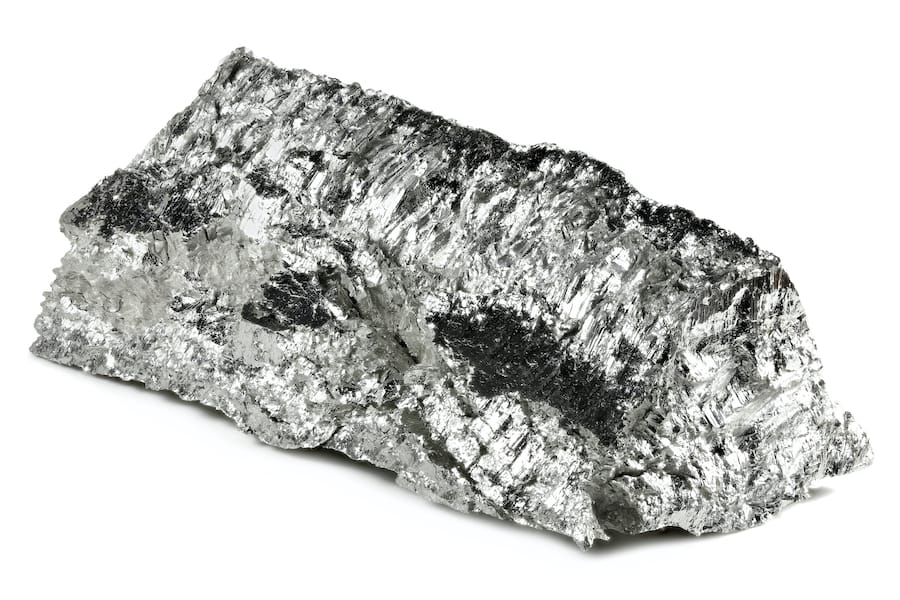
Magnesium is a very important element for the heart.
It is considered to be an antistress mineral and is also vital for the skin.
Magnesium is important for the transport of nerve impulses, which helps the muscles to relax.
Magnesium activates more than 300 enzymes in the body and regulates electrochemical impulses.
Every day you need 350 mg for men, 300 mg for women, 400 mg for young people.
More magnesium is needed for pregnant women, athletes, and people in stressful situations.
Manifestations of magnesium deficiency: leg cramps, migraine, headache, cardiac and circulatory organ failure, may be at increased risk of thrombosis.
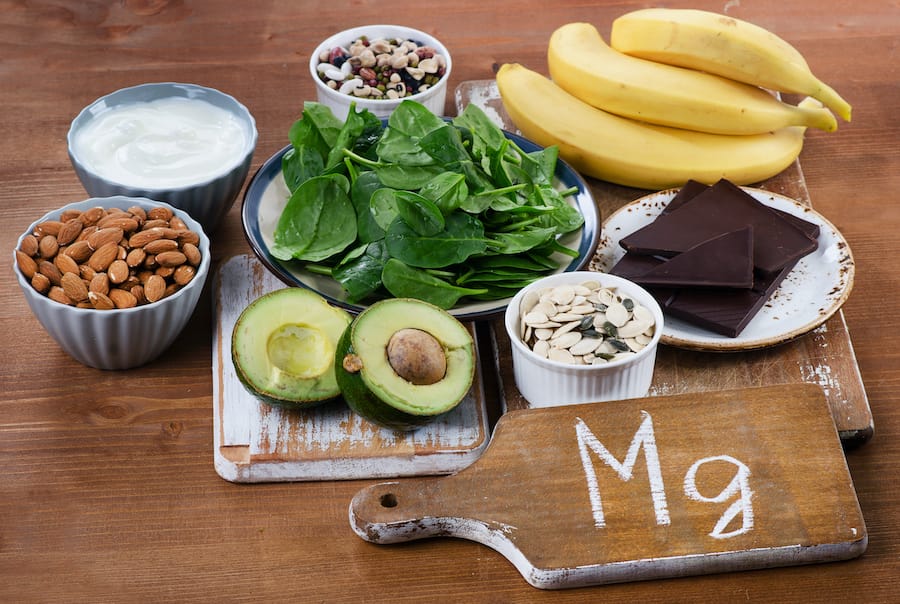
Food that contains this element the most.
Calcium
Calcium (Ca) can leave a dry aftertaste.
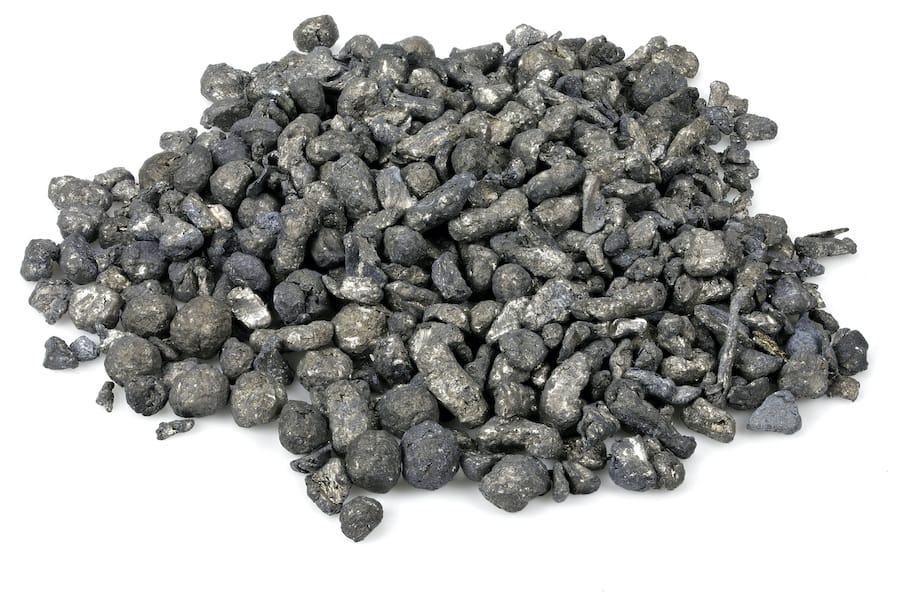
Calcium strengthens bones, teeth and is responsible for nerve impulse action.
If you eat dairy products on a daily basis, that's enough. The other good alternative may be calcium-containing water.
Calcium plays an important role in the formation and maintenance of bones and teeth.
Calcium in the nerves and muscle cells is responsible for impulse and hormonal signal transmission. It also regulates the activity of different enzymes, it has anti-inflammatory and anti-allergic properties.
Every day you need about 1000 mg.
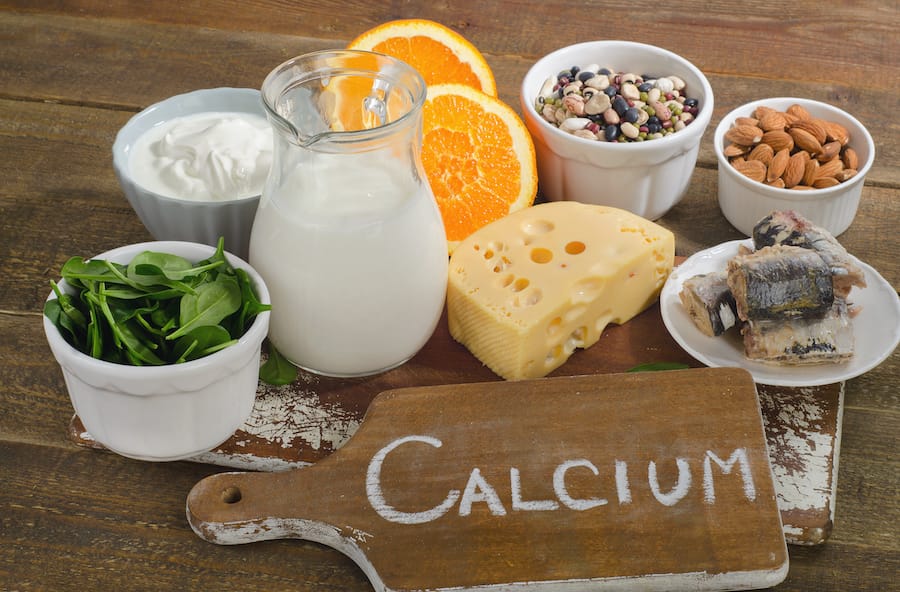
Young people and seniors should receive more calcium. Especially a lot of calcium is in milk and cheese. If you do not eat dairy products every day, calcium-containing mineral water is a great alternative.
If calcium is lacking, the body is taking it from the skeletal bone, which can cause osteoporosis or "bone loss" in the long run. Especially it may affect older people, mainly women. Calcium deficiency can also cause headaches, muscle spasms, and irritability.
Food that contains this element the most.
.
Chloride
Chloride (Cl) tastes salty and a bit bitter.
Chloride, along with other minerals, affects the osmotic pressure in the cells and the balance of the body's acid-alkaline balance.
Combined with hydrogen, it forms the hydrochloric acid in the stomach and thus promotes digestion.
If the body lacks chloride, symptoms include stomach acid disorder, diarrhea. Chloride as an ingredient in gastric juice ensures the balance of acids and alkalis.
Chloride deficiency can be manifested in muscle spasms or heart dysfunction.
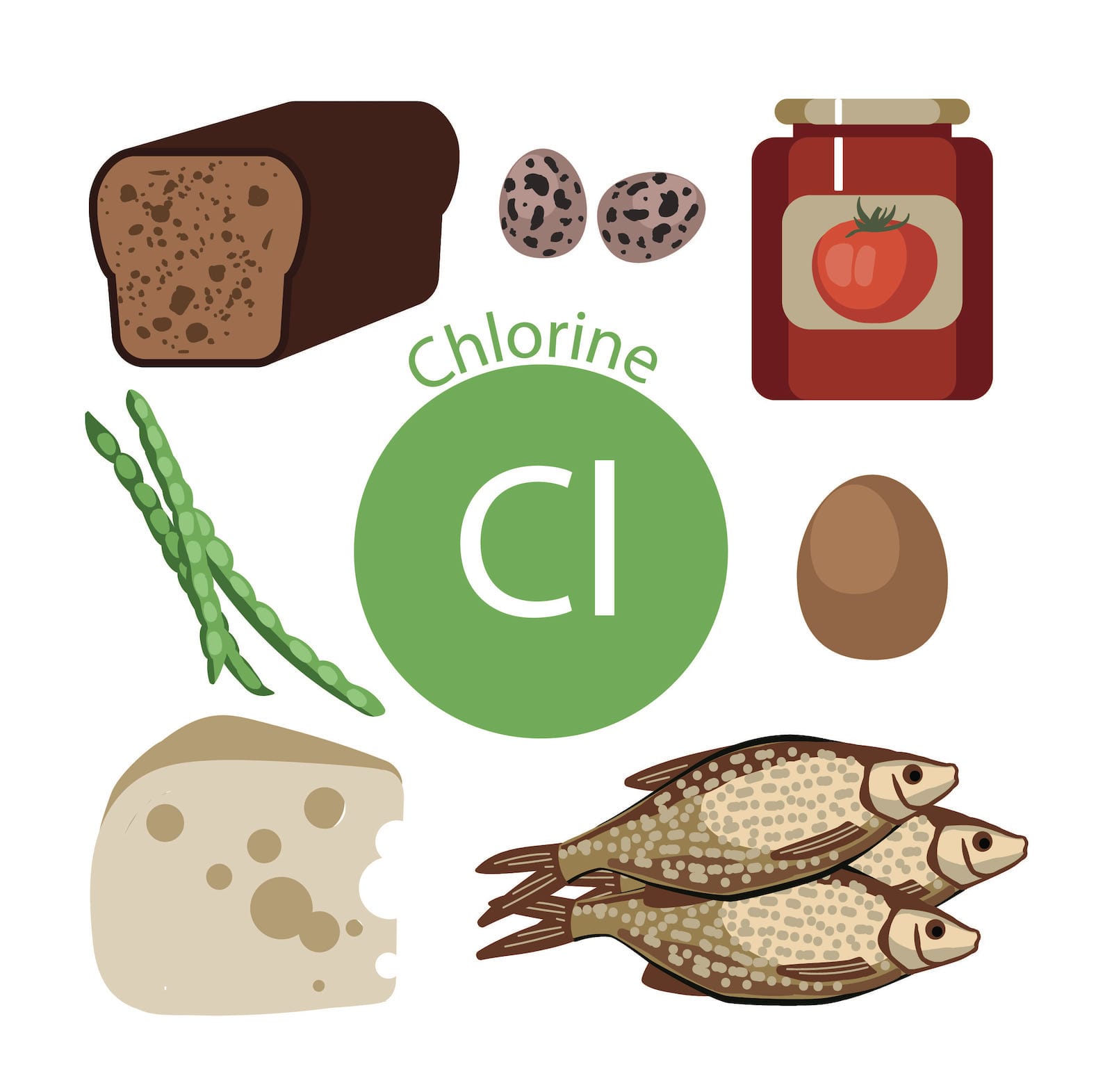
Food that contains this element the most.
Hydrogen carbonate
Hydrogen carbonate (HCO3), also called bicarbonate, tastes light, soap-like.
It has an alkaline effect, and it can improve the body's acid-alkaline balance, i.e., bicarbonate is able to bond the stomach acid.
Hydrogen carbonate can help with various digestive problems. Water with high bicarbonate content gently relieves heartburn and may reduce inflammation of the gastric mucosa.
Hydrogen carbonate is not a mineral, but is the salt of carbonic acid, and is present in each mineral water.
Thanks to the acid-neutralizing effect, it not only delivers a pleasantly neutral and natural flavor to mineral water but also improves the body's acid-alkali balance.
Sulphate
Sulfate (SO4) has a slightly salty and bitter taste.
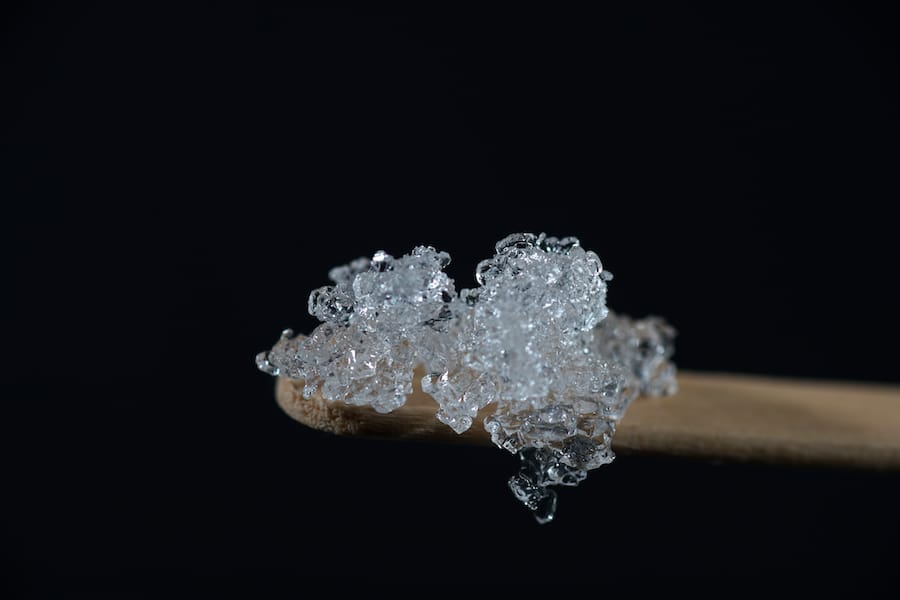
Sulfate plays an important role in the fat metabolism and liver detoxification process. It helps to improve digestion, stimulates intestinal and biliary function.
High sulfate mineral waters can stimulate digestion. It acts as a lightweight laxative but does not addict. Those who regularly use sulfate-containing mineral water naturally stimulate intestinal activity and prevent the onset of constipation.
When used with magnesium and calcium, the effect of sulfate can be increased.
Iodine
This is a secondary form of iodine but is very important in terms of body functions.
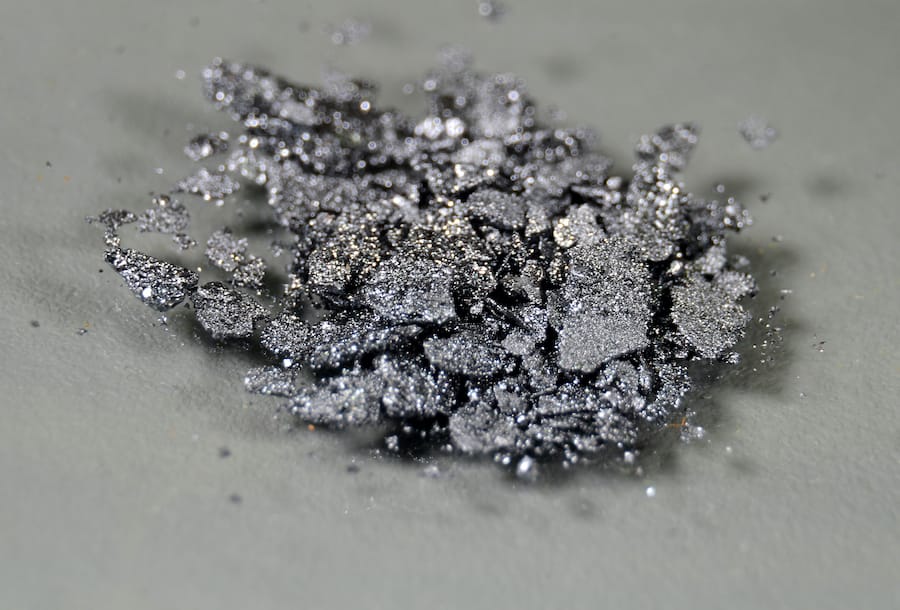
It is involved in overall thyroid function, and its deficiency can cause goiter.
Iodine is vital for producing thyroxine (T4), without which, the body can experience a fall in metabolic rate and an increase in cholesterol levels.
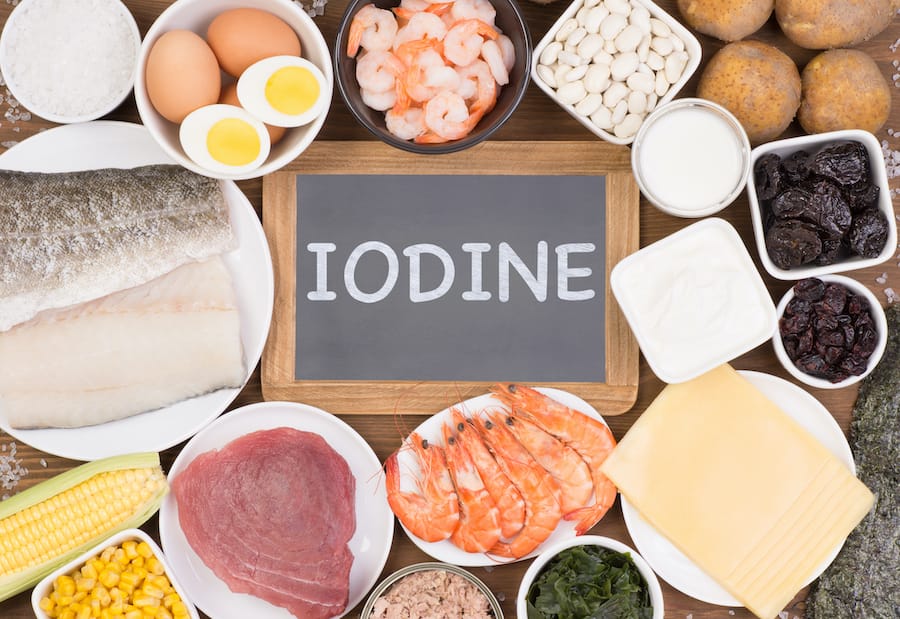
Food that contains this element the most.
Sodium
Sodium (Na) has a salty taste.
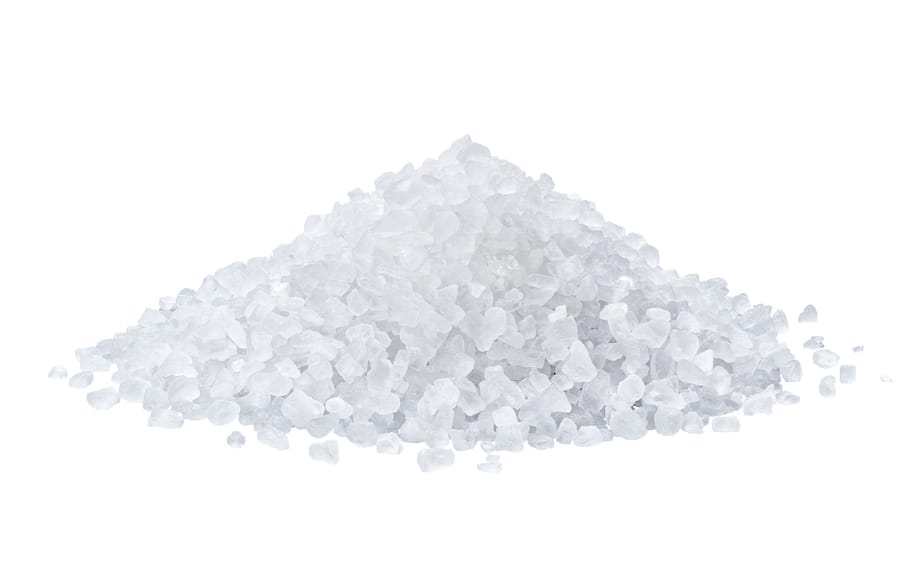
Combined with chloride and potassium sodium regulates fluid balance in the body, it is necessary for nerve and muscle activity, for the activation of enzymes.
Most often sodium is taken with salt-containing products.
Every day you need 550 mg of sodium and 800 mg of chloride. Athletes need more sodium.
Sodium deficiency can cause weakness and seizures, even up to the circulatory collapse, especially in sports.
Caution: Sodium is not the same as cooking salt.
If there is a lot of physical activity, the amount of sodium needed per day may increase.
We often hear alerts on sodium overdoses, usually associated with salt in the diet. The cooking salt is a chemical compound - sodium chloride.
Mineral waters typically contain sodium in the form of sodium bicarbonate and only very small amounts such as sodium chloride.
If you are considering a low salt diet, use mineral water with low sodium content.
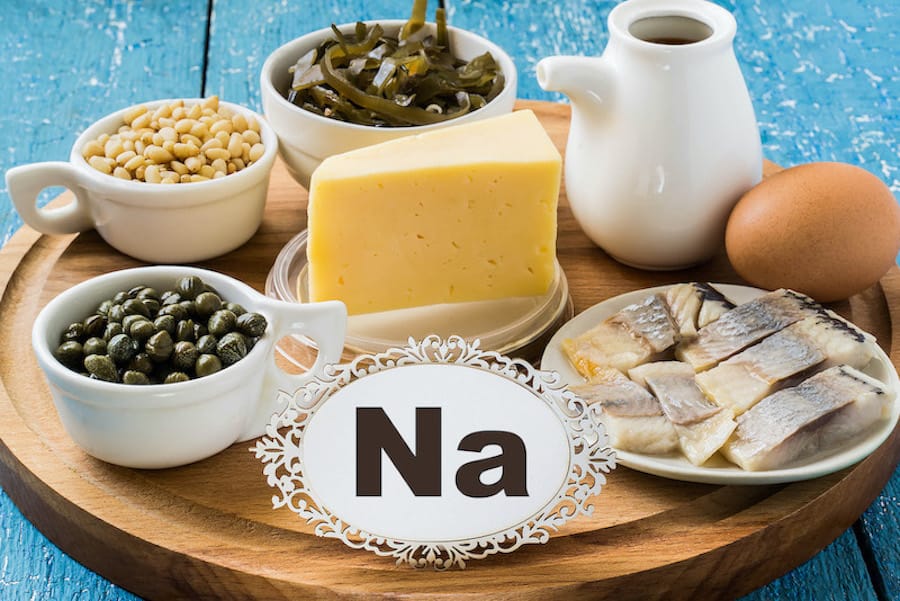
Food that contains this element the most.
For Recovery
(Ca, Mg, Na, K, HCO3, pH)
Post-exercise recovery means faster regeneration or replacement of electrolytes that are lost. Therefore, if your water contains significant amounts of minerals, then we recommend this water in the regeneration section. It has been found that bicarbonate and/or high-pH mineral water can reduce muscle acidity, improve their function and promote regeneration. For this purpose, it is recommended to choose water with a bicarbonate composition of at least 1200 mg/l, or a pH value of no less than 8.5.
After Sauna
(High TDS)
After the sauna, it is important to absorb enough liquid. Mineral water with a high mineral content will be the perfect choice to help restore the body's electrolyte balance and replenish water reserves. The body absorbs water best when drinking small sips instead of drinking larger amounts at one time.
pH balance
(HCO3, pH)
To maintain the acid-alkaline balance of the body, we recommend the use of mineral and therapeutic waters containing at least 600 mg/l of bicarbonate or to drink water high in pH. The mineral bicarbonate is known as an acid buffer. It has an alkaline effect, so it can attract stomach acid. Waters with high bicarbonate content help to gently relieve burning sensations (heartburn) and can reduce inflammation of the gastric mucosa. Medicines designed to reduce heartburn are also being developed, using bicarbonate as the base ingredient.
With a slightly sweet and soapy flavor, bicarbonate helps to regulate the acid-alkaline balance of the body. It can be useful with heartburn and irritated stomachs. Bicarbonate in the body can also be formed from foods such as fruits and vegetables or can be taken from some mineral waters containing more than 600 mg/l of bicarbonate.
Hormonal System
Iodine is an important microelement that promotes the self-formation of thyroid hormones in the body and helps to ensure normal thyroid function. It helps to improve the normal energy metabolism, the functioning of the nervous system and the preservation of the skin (for a vital look). It also has a cognitive function (ability to think and concentrate). Nutrition experts believe that our body is able to better use all of the natural things that we eat or drink, for example, the vitally important substances of the apple compared to a vitamin pill.
Constipation
The use of sulfate-rich waters for constipation problems has a long tradition. In this category are gathered waters with at least 1200mg/l Sulfate (SO4). The mechanism of Sulfate action is well-known: sulfate keeps osmotically water in the large intestine and promotes additionally the water secretion into the intestine. This increases the fluid content of the stool and its consistency becomes softer. This will increase stool volume and at the same time, the intestinal passage is accelerated. The study by scientists at the University of Freiburg shows that people with constipation can use this effect in everyday life with sulfate-containing water without getting addicted to it.
For immediate effect, we recommend water with a sulfate content of more than 3000 mg/l.
Good luck ;)
Digestion
(SO4 , HCO3)
For humans with digestive disorders, it is worth looking at the sulfate content in water. Waters containing sulfates can stimulate biliary activity and intestinal activity, as well as soften stools. Sulfates play an important role in liver fat metabolism. It promotes digestion and stimulates the intestines and bile. That's why, in this category, we have collected sulfate mineral waters with a sulfate content of at least 200 mg/l. For people with constipation, it is recommended to drink water with a sulfate content of at least 1200 mg/l. These mineral waters will be very suitable for restoring lost sodium and/or magnesium in the body. Some waters have a particularly high bicarbonate level. Water may also have a different, very specific composition that activates digestion. Since very few waters contain all of the three components in large quantities, you should preferably look at the composition of the minerals and choose the water according to your needs.
Heart
Magnesium is one of the most important minerals for human life. It protects the heart and blood from the effects of stress, which has led to it being called the "anti-stress mineral". Magnesium is involved in the production and operation of more than 300 enzymes.
Strong Teeth
(Si, Ca, F)
If you do not like dairy products, special attention should be paid to calcium-rich mineral water. Not only does it provide stable bones, skin and strong hair, it also protects the teeth. For mineral water to be considered rich in calcium, water must contain at least 150 mg of calcium per liter. Fluoride, which can be found in natural mineral water, is just as healthy for teeth as it forms a protective layer for them. In small doses, fluoride is very healthy, not only for teeth but also for bones. In addition to calcium, healthy teeth also require fluoride. This helps to prevent the formation of caries and to maintain tough tooth enamel. Pay attention to the fact that the water contains a lot of calcium and silicon and at least 1 mg of fluorine, but not more than 1.5 mg per liter of water. If fluoride is more than 1.5 mg/l, the water is not recommended for children under 7 years of age.
The allocation of mineral waters is our recommendation for your individual needs. As part of healthy and varied nutrition, you should take at least 1.5 to 2 liters of fluid per day.
Hangover
(HCO3, Ca, Mg, Na, K, pH )
This section contains various waters to help you recover after a long night. The mineral composition of these waters can be very different, but they have a beneficial effect on the maintenance of the body, liver function, which helps to quickly remove toxins and quickly eliminate the effects of alcohol consumption. For a full recovery on these days, it is recommended to drink more water than usual.
Daily mineral norm
Water mineral content ratio to total recommended daily mineral intake (%)
Mineral composition
TDS
11697 mg/lCalcium

Calcium (Ca) can leave a dry aftertaste.
Calcium strengthens bones, teeth and is responsible for nerve impulse action.
If you eat dairy products on a daily basis, that's enough. The other good alternative may be calcium-containing water.
Calcium plays an important role in the formation and maintenance of bones and teeth.
Calcium in the nerves and muscle cells is responsible for impulse and hormonal signal transmission. It also regulates the activity of different enzymes, it has anti-inflammatory and anti-allergic properties.
Every day you need about 1000 mg.
Young people and seniors should receive more calcium. Especially a lot of calcium is in milk and cheese. If you do not eat dairy products every day, calcium-containing mineral water is a great alternative.
If calcium is lacking, the body is taking it from the skeletal bone, which can cause osteoporosis or "bone loss" in the long run. Especially it may affect older people, mainly women. Calcium deficiency can also cause headaches, muscle spasms, and irritability.
Food that contains this element the most.
Chloride

Chloride (Cl) tastes salty and a bit bitter.
Chloride, along with other minerals, affects the osmotic pressure in the cells and the balance of the body's acid-alkaline balance.
Combined with hydrogen, it forms the hydrochloric acid in the stomach and thus promotes digestion.
If the body lacks chloride, symptoms include stomach acid disorder, diarrhea. Chloride as an ingredient in gastric juice ensures the balance of acids and alkalis.
Chloride deficiency can be manifested in muscle spasms or heart dysfunction.
Food that contains this element the most.
Carbon dioxide
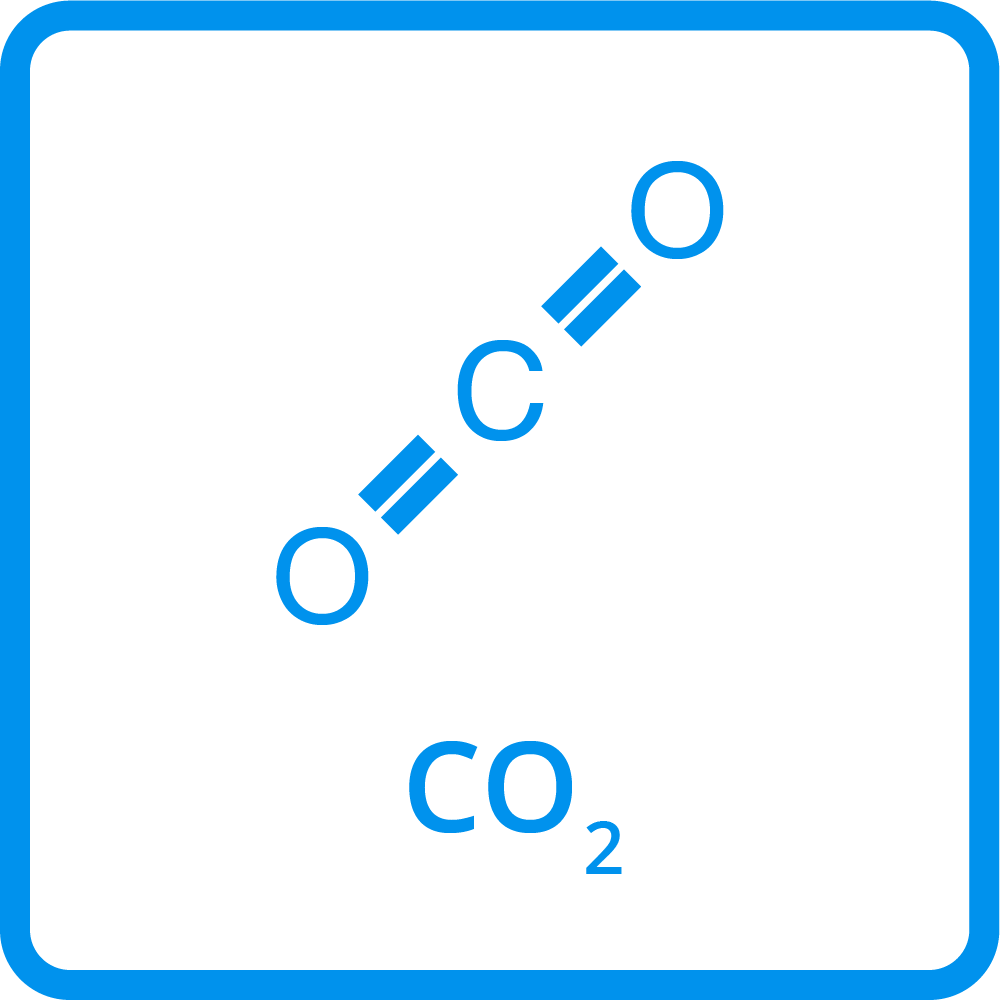
Original Aqueous carbon dioxide, CO2, reacts with water forming carbonic acid, H2CO3. Carbonic acid may lose protons to form bicarbonate, HCO3-, and carbonate, CO3. In this case, the proton is liberated to the water, decreasing pH. Therefore, carbonated waters will always have a pH below 7.
The complex chemical equilibria are described using two acid equilibrium equations.
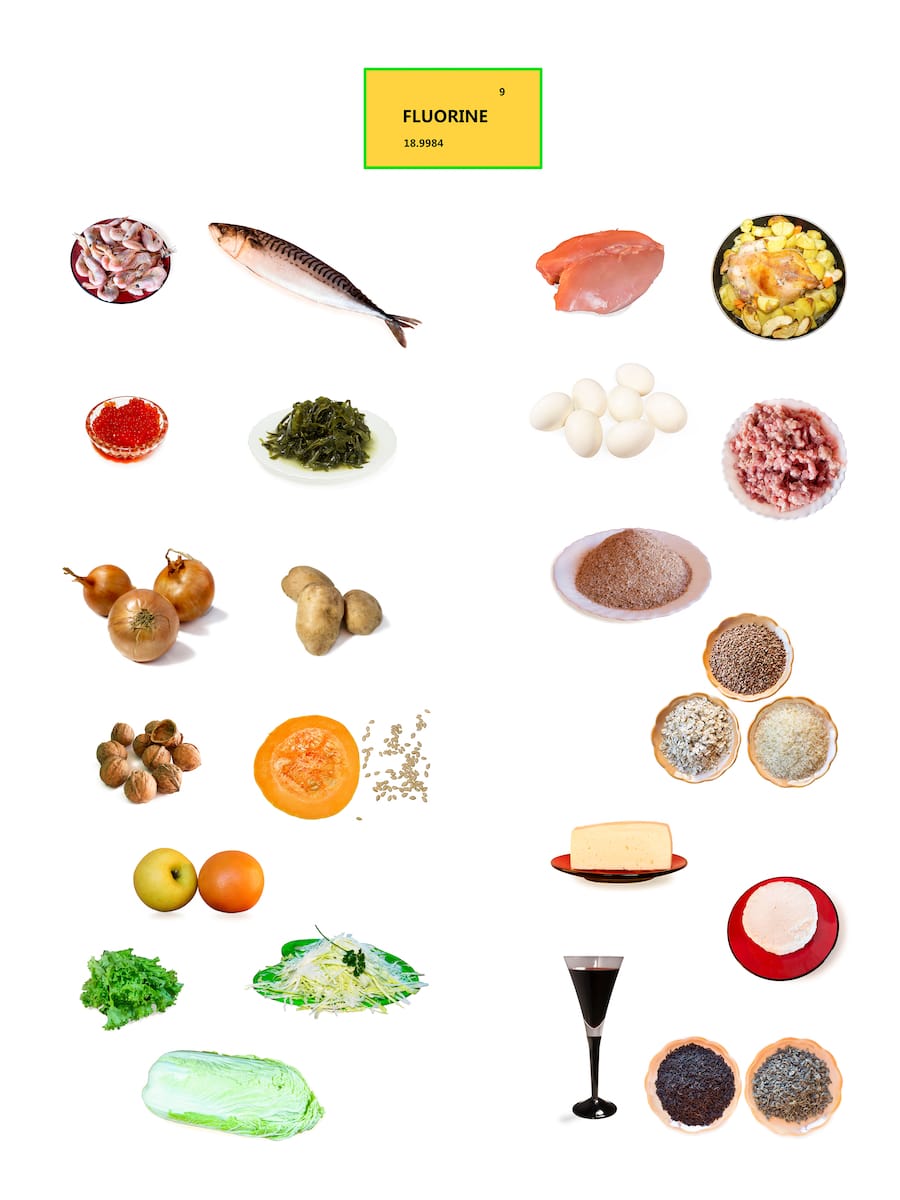
Fluoride

Fluoride (F) has a sweet and soapy taste and it plays a very important role in bone and tooth structure.
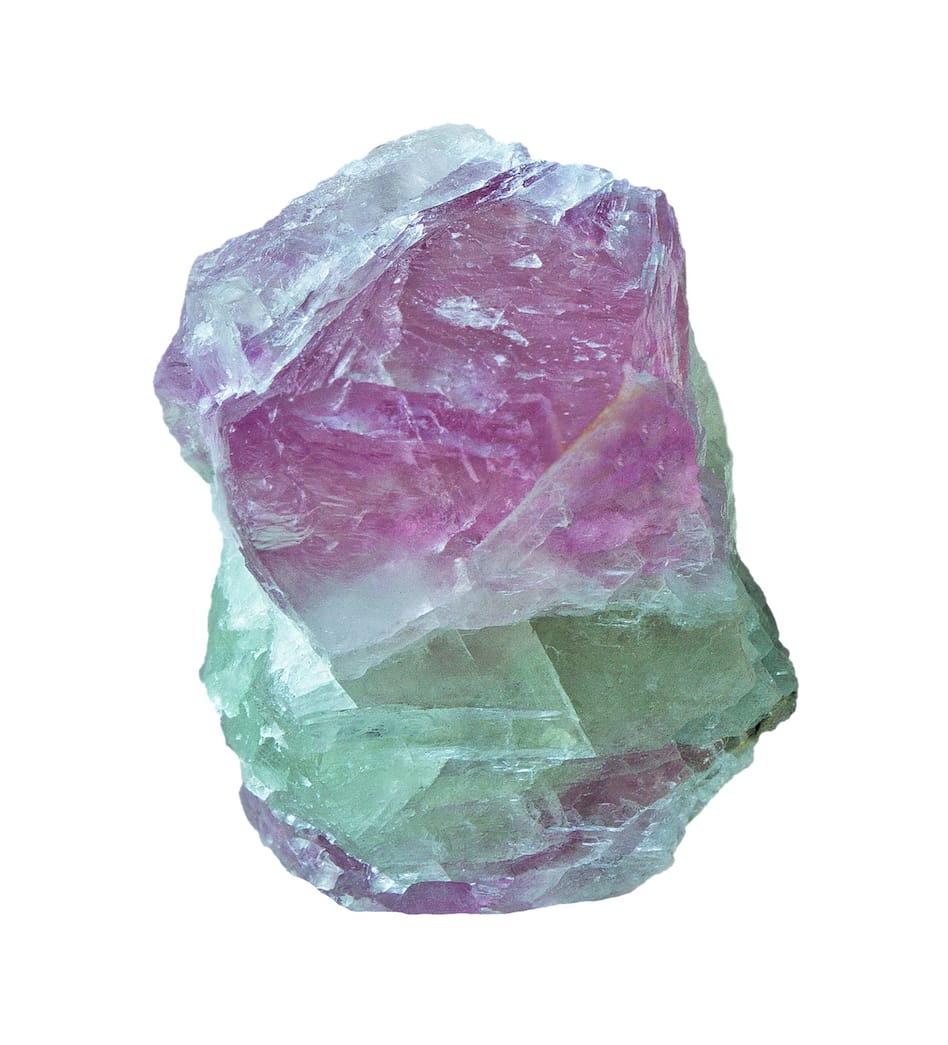
Fluoride naturally occurring in water can be above, at, or below recommended levels.
Fluoride remains in the teeth and can inhibit dental caries. It also increases bone density.
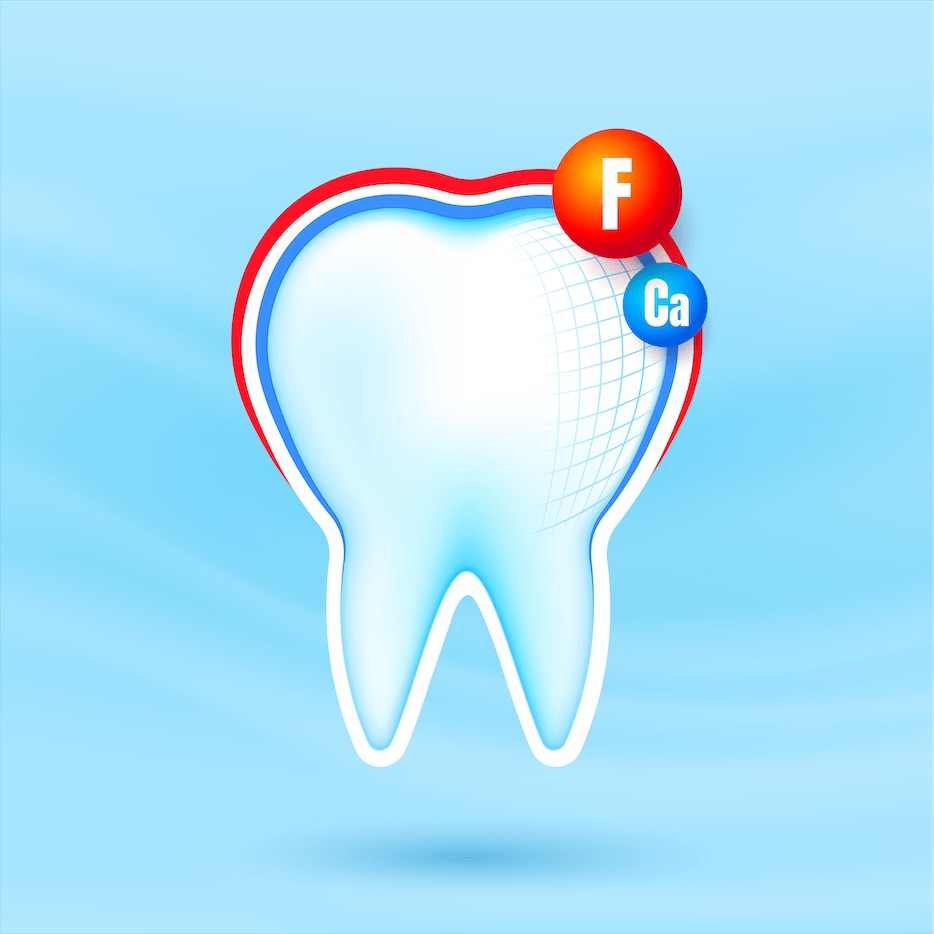
The result of fluoride deficiency may be brittle bones and bad teeth.
Caution: too much unhealthy. Children and adolescents need fluoride for growing teeth, but they should not be consumed too much. Therefore, the legislator has laid down an appropriate reference to the labeling of mineral waters with a fluoride content of more than 1.5 mg/l. For children under 7 years of age, it is not recommended to drink such water every day for prolonged periods.
Fluoride tends to be concentrated also in tea, coffee, shellfish, spinach, grapes, raisins, carrots, wine, cucumber, dill herb, tomatoes, asparagus, beans, peas, white rice, and potatoes.
It is important to understand that natural fluoride and synthetic industrial fluoride is quite a different substance.
Food that contains this element the most.
Iron

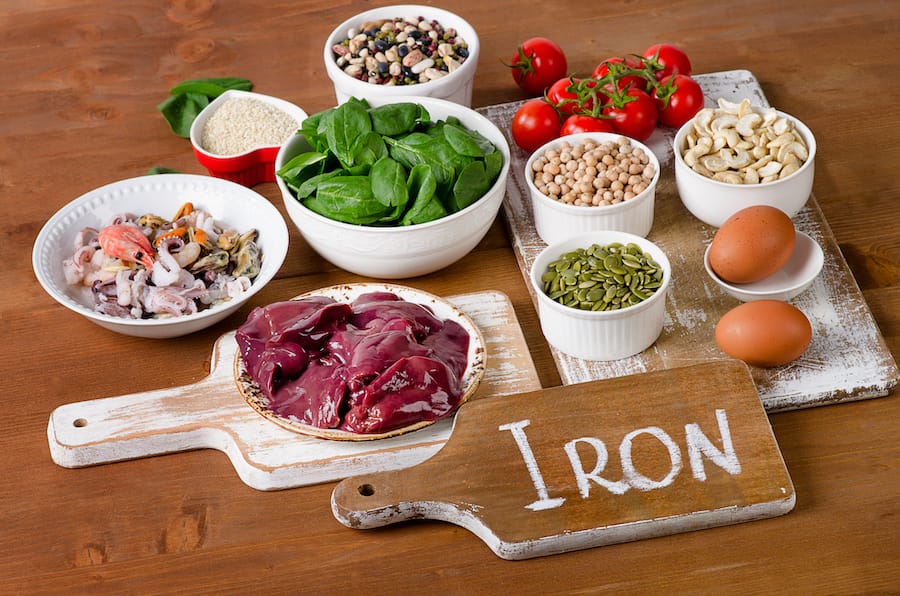
Iron’s (Fe) primary role in the body is with regard to the formation of hemoglobin, which guarantees circulation of the blood and oxygenation to various organ systems.
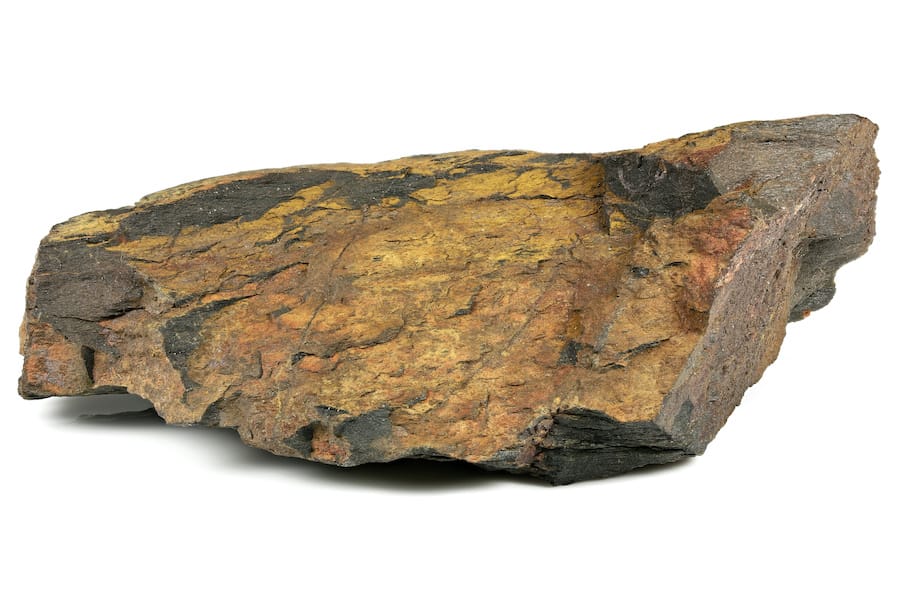
Without iron, anemia sets in, this is manifested in muscle weakness, fatigue, gastrointestinal disorders, and cognitive malfunction.
Apart from that, it is a key element for ensuring proper body metabolism, muscle activity, brain function, and the regulation of body temperature.
Further, it also aids in boosting immunity and giving relief from insomnia and restless leg syndrome.
Food that contains this element the most.
Hydrogen Carbonate

Hydrogen carbonate (HCO3), also called bicarbonate, tastes light, soap-like.
It has an alkaline effect, and it can improve the body's acid-alkaline balance, i.e., bicarbonate is able to bond the stomach acid.
Hydrogen carbonate can help with various digestive problems. Water with high bicarbonate content gently relieves heartburn and may reduce inflammation of the gastric mucosa.
Hydrogen carbonate is not a mineral, but is the salt of carbonic acid, and is present in each mineral water.
Thanks to the acid-neutralizing effect, it not only delivers a pleasantly neutral and natural flavor to mineral water but also improves the body's acid-alkali balance.
Iodine
This is a secondary form of iodine but is very important in terms of body functions.
It is involved in overall thyroid function, and its deficiency can cause goiter.
Iodine is vital for producing thyroxine (T4), without which, the body can experience a fall in metabolic rate and an increase in cholesterol levels.
Food that contains this element the most.
Potassium

Potassium (K) provides water balance in the body.
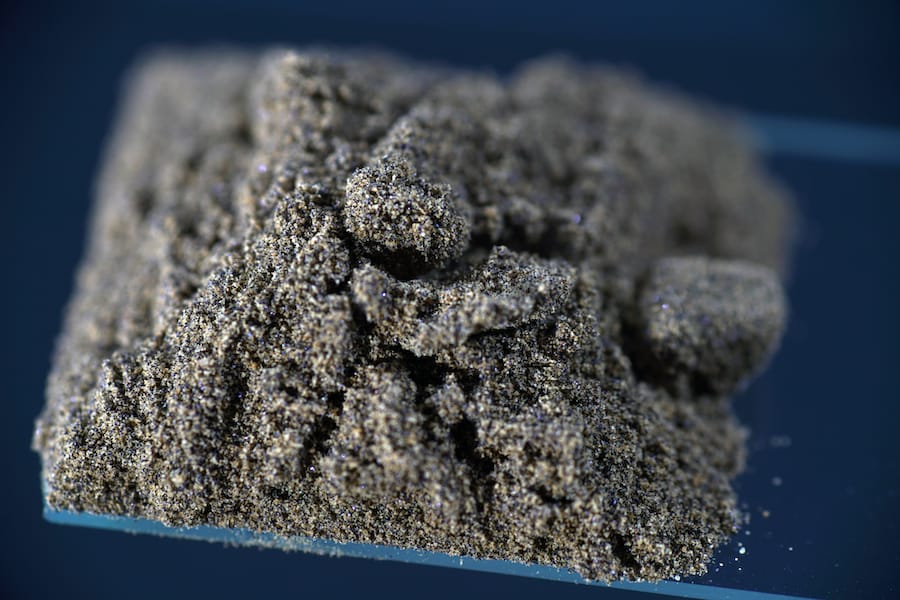
It tastes a bit salty and bitter.
Potassium plays an important role in the regulation of fluid and acid-alkaline balance.
Potassium activates various enzymes and is especially important for heart and muscle activity.
Potassium is up to 98% in the body cells.
Potassium deficiency causes muscle weakness, decreased blood pressure, disturbances in heart rate, loss of appetite, and constipation.
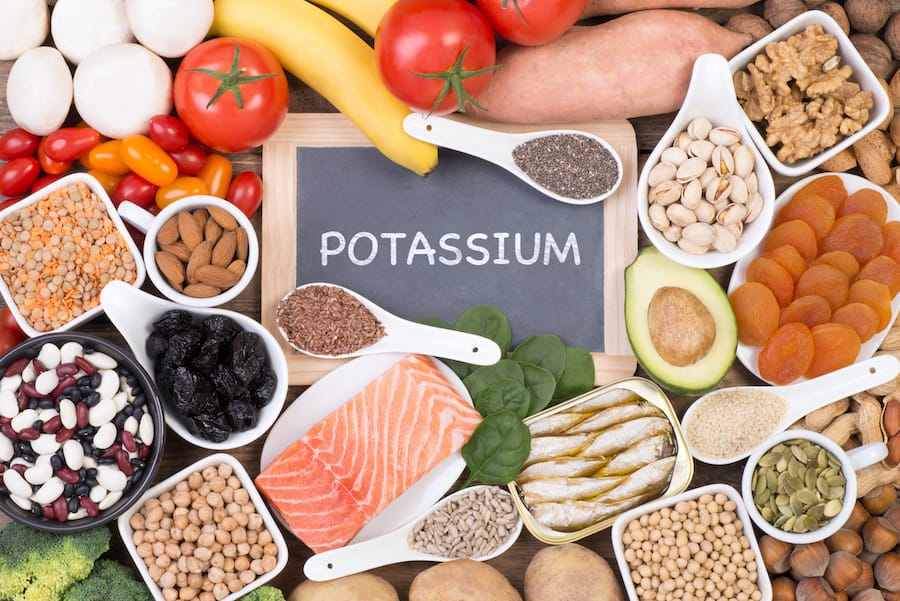
A good recommendation for active athletes is to consume potassium-rich waters.
Potassium regulates cardiac and muscle activity relaxes muscles and nerves. Together with sodium, it helps to maintain the balance of water in the body.
When eating plenty of vegetables, fruits, and milk, you can take the necessary 2 grams of potassium daily.
Food that contains this element the most.
Magnesium

Magnesium has a bitter taste, sometimes it can give a sweet aftertaste.
Magnesium is a very important element for the heart.
It is considered to be an antistress mineral and is also vital for the skin.
Magnesium is important for the transport of nerve impulses, which helps the muscles to relax.
Magnesium activates more than 300 enzymes in the body and regulates electrochemical impulses.
Every day you need 350 mg for men, 300 mg for women, 400 mg for young people.
More magnesium is needed for pregnant women, athletes, and people in stressful situations.
Manifestations of magnesium deficiency: leg cramps, migraine, headache, cardiac and circulatory organ failure, may be at increased risk of thrombosis.
Food that contains this element the most.
Sodium

Sodium (Na) has a salty taste.
Combined with chloride and potassium sodium regulates fluid balance in the body, it is necessary for nerve and muscle activity, for the activation of enzymes.
Most often sodium is taken with salt-containing products.
Every day you need 3000 mg of sodium and 3000 mg of chloride. Athletes need more sodium.
Sodium deficiency can cause weakness and seizures, even up to the circulatory collapse, especially in sports.
Caution: Sodium is not the same as cooking salt.
If there is a lot of physical activity, the amount of sodium needed per day may increase.
We often hear alerts on sodium overdoses, usually associated with salt in the diet. The cooking salt is a chemical compound - sodium chloride.
Mineral waters typically contain sodium in the form of sodium bicarbonate and only very small amounts such as sodium chloride.
If you are considering a low salt diet, use mineral water with low sodium content.
Food that contains this element the most.
Nitrat

Nitrate (NO3). The presence of nitrates indicates water pollution.
Nitrates in water may also be of natural origin, without chemical pollution of water. Geologists have observed that naturally, nitrate levels can be up to 15mg / l.
A small amount of nitrates is found even in waters where they should not seem to be. For example, in glacial waters, where hundreds of kilometers of economic activity do not occur.
We ingest nitrates with food or drinking water. They are harmless to adults without intestinal problems if the limit values are not exceeded.
Compared to tap water, mineral waters are mostly low in nitrate. Mineral waters are more protected from environmental effects, such as fertilizers and other chemicals, as sources are usually deep underground and are regularly tested.
The nitrate limits are:
- 0-1 mg / l - superior,
- 1-4 mg / l - very good,
- 4-7 mg / l - well,
- 7-10 mg / l - acceptable,
- 10-50 mg / l - within the normal range.
But if NO3 and NO2 pollution is not indicated on the bottle, it does not mean that it is not there.

Selenium

Selenium (Se) might be a rare mineral, but its function is significant. It is one of the most powerful mineral antioxidants, and it actually prevents the formation of new free radicals by participating in various cellular reactions, which lowers the peroxide concentration in the cellular body.
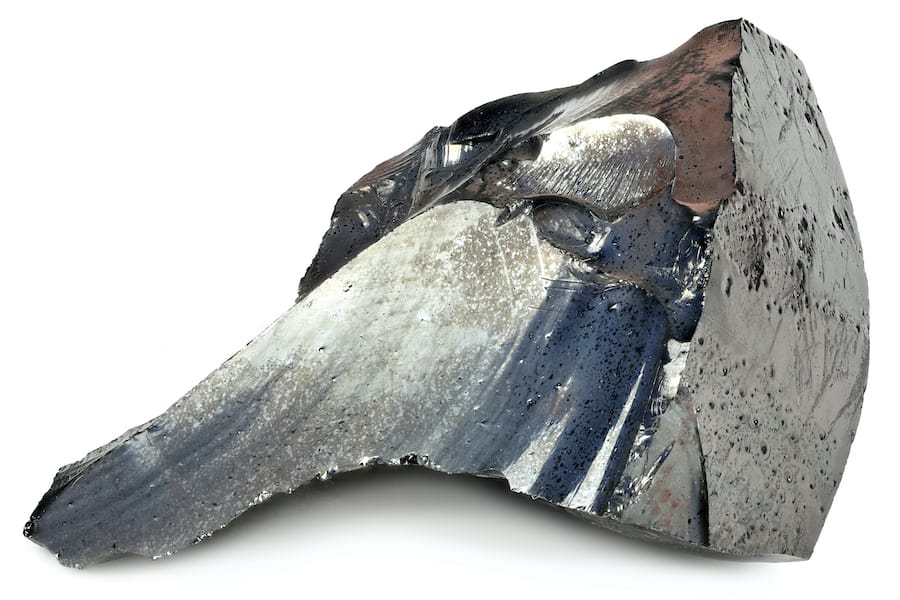
Reducing free radical formation is only one of the selenium’s functions. It is also essential for bone growth, along with calcium, copper, and zinc.
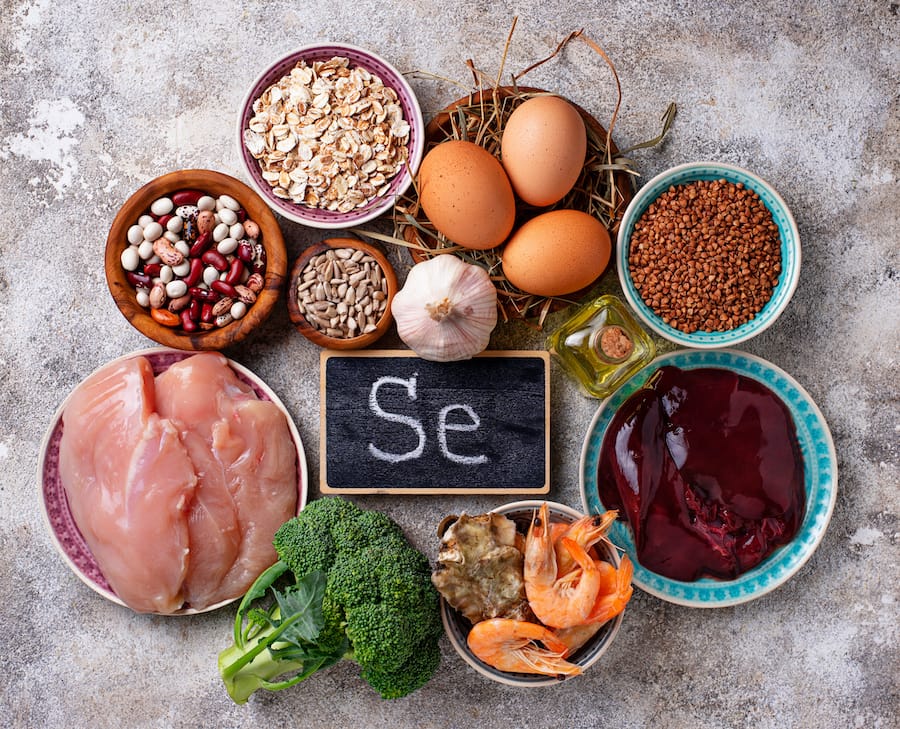
The adult's body contains up to 20 mg of selenium. It is mainly in the liver, kidney, and spleen. It's like an antioxidant that helps the body fight against free radicals, reduces inflammation and prevents cell aging.
Food that contains this element the most.
Sulfate

Sulfate (SO4) has a slightly salty and bitter taste.
Sulfate plays an important role in the fat metabolism and liver detoxification process. It helps to improve digestion, stimulates intestinal and biliary function.
High sulfate mineral waters can stimulate digestion. It acts as a lightweight laxative but does not addict. Those who regularly use sulfate-containing mineral water naturally stimulate intestinal activity and prevent the onset of constipation.
When used with magnesium and calcium, the effect of sulfate can be increased.
Strontium
Zinc

Zinc (Zn) is an essential component of more than 10 important enzymatic functions of the body.
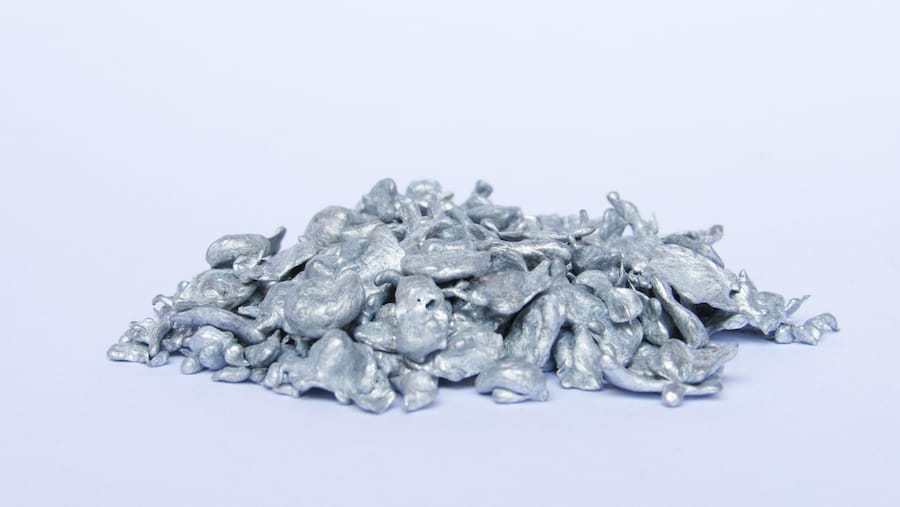
Without zinc, the body will quickly lose overall function and results in a number of health concerns, including the inability to heal wounds, store insulin, fight off disease, develop proper growth patterns, as well as defend against a variety of skin infections.
This mineral helps in treating eczema, acne, night blindness, and prostate disorders, relieving cold, and managing weight. Zinc also ensures a healthy pregnancy and reproduction.
Food that contains this element the most.