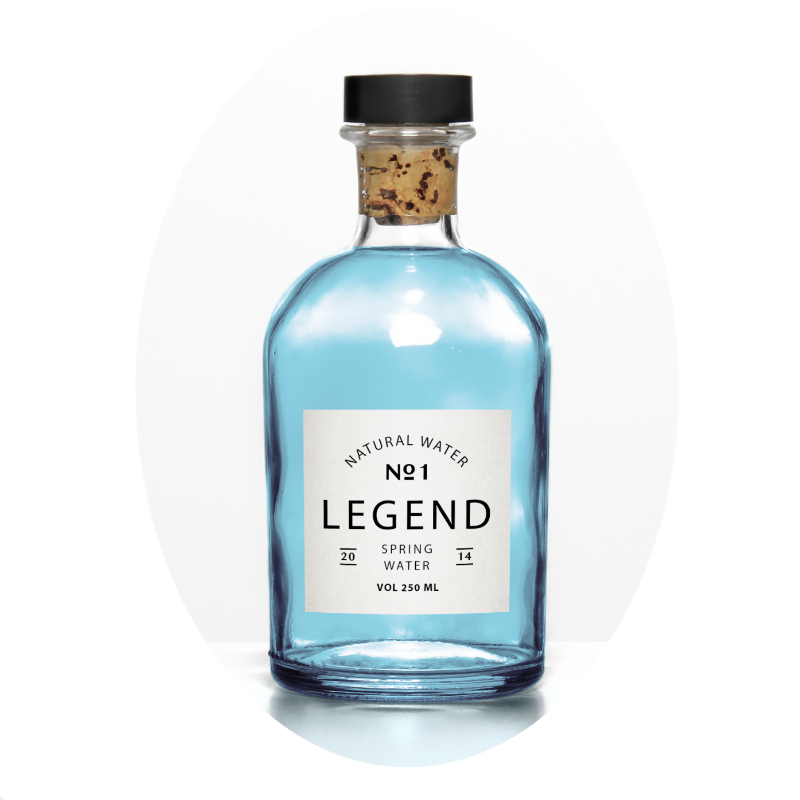
Legend No1

mg/l
Mineralization
Info Performance
pH

-
mg/l
Hardness Ca+Mg
ms/m
Electrical conductvity
pH
pH (Power of hydrogen) is the number that represents the ratio of H+ (hydrogen) - ions to OH- (oxygen and hydrogen) - ions.

pH stands for numbers 1 to 14. pH below 7 means that the environment is acidic, and above 7 - is alkaline. 7 means that the environment is neutral and the ratio between H + and OH- is equal.
What is the difference between water pH 7, pH 8, and pH 9?
Each subsequent pH-number means that the environment is 10 times more alkaline (more oxygen and hydrogen OH-). If the pH value is greater than 7, then the environment is alkaline (more secured with OH-).
For example pH 8 = 10-times more alkaline than pH 7 and pH 9 = 10-times more alkaline than pH 8.
Conclusion: water with pH 9 is exactly 100-times more alkaline than water with pH 7, and pH 10 is 1000-times more alkaline than pH 7.
The same scheme also applies to the acid environment: pH 4 (more H+ ions) indicates 1000-times more acidic than pH 7, and the environment with pH 3 is 10.000-times more acidic than pH 7.
Carbonation
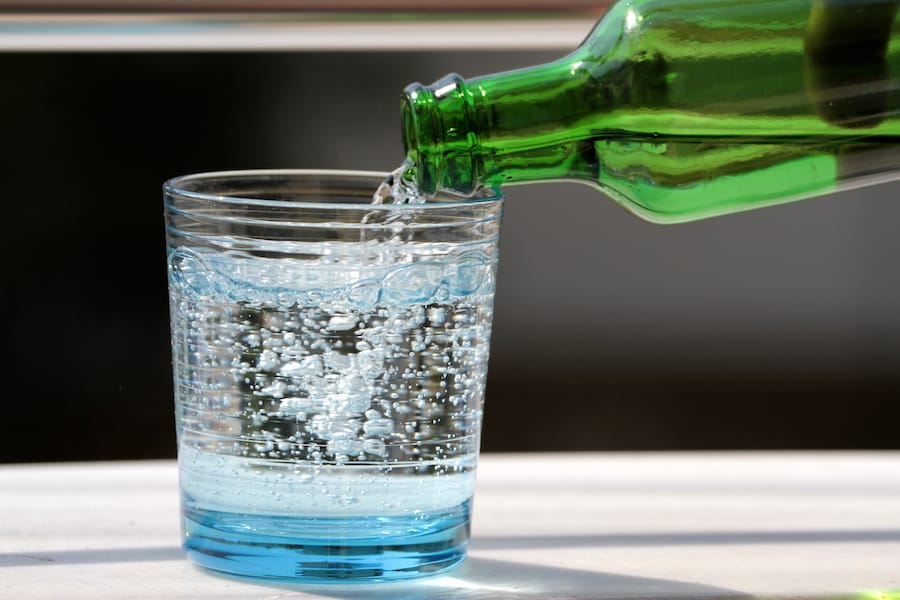
Carbonated water is also known as sparkling water. The origin of carbon dioxide may be different.
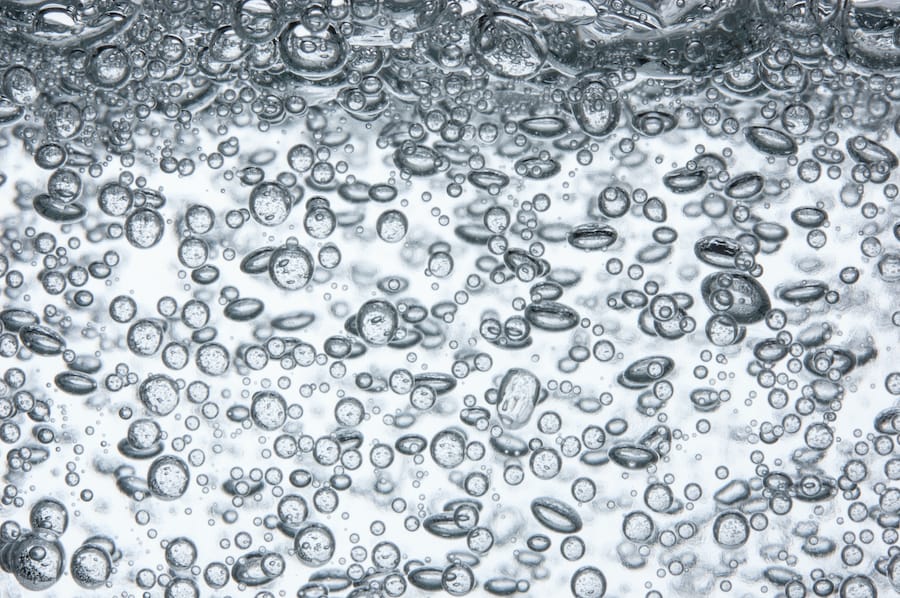
1)Natural- Already from the very birth, the water contains natural carbon dioxide CO2.
2)Natural CO2 is collected from the water birthplace and later added to the bottled water.
3)Artificial carbonation. (in 98% cases)
The Carbonation amount in the water- can be very lightly carbonated, medium, or very tangy.
Virtual Water Sommelier
Your guide, who unveils the secrets behind every drop.
Ask JEAN for his expert opinion on any Water!
Download the PickAqua app and quench your thirst for knowledge!
Let him guide you on a refreshing journey of Water functionality, taste, origin, and more.
Talk to JEAN.
Download PickAqua:


Good for:

Low Sodium

Ultra Low TDS

To drink with Coffee

White Wine partner

Luxury Waters

Before Sauna

Detox

Weight Control

Low Sodium

Kidneys
Low Sodium
We regularly hear and read warnings about overdosing on common salt (sodium) in diets. People who are sensitive to salt can actually develop a high blood pressure if it is consumed too much. Table salt is a sodium chloride chemical compound. Natural mineral waters usually contain sodium in the form of sodium bicarbonate and only very small amounts of sodium chloride. Therefore, they are usually harmless. We have collected mineral waters with a particularly low sodium content (less than 20 mg/l). According to the legislator, such mineral waters may be labeled "Suitable for use in reduced-sodium diets".
Ultra Low TDS
The total amount of dissolved solids (TDS) or mineralization is the total amount of all the substances dissolved in water, through the soil layers. TDS content in water is measured in milligrams per liter (mg/l). In different countries the gradation of TDS varies slightly from very mild to moderate levels of
- Ultralight 1 - 50 mg/l,
- mild 50 - 500 mg/l,
- medium 500 - 1000 mg/l,
- high 1000 - 1500 mg/l
- up to very high 1500 - 3000 mg/l,
- and even super-high 3000 - 20000 mg/l mineralisation.
TDS is a major factor affecting the taste of the water - the higher the TDS, the greater the taste differences. The total mineralization of water (TDS) is another indicator of dry residue. The dry residue parameter of water at 180° or 260°C may be up to 30% lower than the TDS figure. This means that the total amount of substances dissolved in water can be even twice as high!
To drink with Coffee
Any Coffee should be served with water, it has many different reasons, but one of the most important is to supplement your body with water that we lose after drinking Coffee. But which water would be the most effective to have with Coffee? As the Coffee is quite acidic (approx pH 3-4) to keep the Acid/Base balance in the body it would be recommended to drink highly alkaline waters with pH higher than 8,5. Here you can find waters that are perfect for coffee lovers, waters with higher pH than regular waters. As the coffee has a pH approx 3-4 its good to drink water with each cup of coffee, but the most effective will be if you choose waters with pH above 8,5.
White Wine partner
Water can be an ideal companion to accentuate different flavors! By choosing the right water for wine, you will surely be surprised at how well the water mineral composition can open up and accentuate the nuances of the taste of wine. You can experiment with the mixing of different waters with wine. For example, choosing four different waters for one specific wine. Take one water after another, drinking a little bit of wine in between. With each sip of another water type, the wine will change its flavors, possibly even drastically. In this category, there are waters that best fit together with wine and help highlight the special taste of the wine.
Luxury Waters
Waters in this category belong to very rare or very exclusive waters by their origin, water mineral composition, or packaging. Usually, the price of these waters is significantly higher than the average water price. Such water choices are typical for exclusive restaurants, events, or just people who want to enjoy not only good water but also exclusive packaging.
It is also a great choice of a gift to a respected person who appreciates the taste of a healthy lifestyle.
Before Sauna
(TDS< Low)
It's good to be well hydrated when you go to the sauna. Try to drink more water than usual at least a few hours before going to the sauna. The body absorbs water best when drinking small sips instead of drinking larger amounts at one time. We recommend drinking light mineralized waters noncarbonated so that larger amounts can be consumed easier. Lightly mineralized water with TDS lower than 500mg/l will be a perfect choice. These waters will be easily absorbed by the body. The purpose of the sauna is to sweat thoroughly, there for such a choice of water will be most appropriate. Preferably with non-dominant sodium content. And after the sauna, we recommend drinking highly mineralized waters to restore the loss of electrolytes in the body. Look for them in section Water after Sauna.
Detox
This section can have very different waters with very different compositions. However, their overall function is very good for the body's cleansing and detoxification. Mostly they are lightly mineralized waters that are easy and pleasant to drink in larger amounts and which contain minerals that have a beneficial effect on the purification of the body.
Weight Control
More and more people are struggling with diseases of modern civilization. An unbalanced diet is one of the most important factors. Too much fat, too much protein, and too little fiber. Our body is designed to preserve the surplus, so it also stores unused substances. The consequences are often obesity, vascular problems, malaise, and depression. Fasting can help cleanse the body and soul. These procedures have a common element - drink a large amount (about 3 liters) of good mineral water on a daily basis. Neutral, non-carbonated mineral water with low mineral content helps to achieve a better result. Therefore, we recommend mineral waters with a total mineralization of less than 500 mg/l and no mineral should be more than 150 mg/l.
Low Sodium
We regularly hear and read warnings about overdosing on common salt (sodium) in diets. People who are sensitive to salt can actually develop a high blood pressure if it is consumed too much. Table salt is a sodium chloride chemical compound. Natural mineral waters usually contain sodium in the form of sodium bicarbonate and only very small amounts of sodium chloride. Therefore, they are usually harmless. We have collected mineral waters with a particularly low sodium content (less than 20 mg/l). According to the legislator, such mineral waters may be labeled "Suitable for use in reduced-sodium diets".
Kidneys
Urinary problems are very uncomfortable and are often associated with pain. If you have a urinary tract infection, you should drink plenty of liquid in almost all cases. It is better to drink medicinal mineral water because its effect is scientifically proven. Medicinal mineral waters increase urine flow, rinsing the urinary tract. The urine pH value can be improved by various components of the water. Depending on the type of urinary tract problem, attention should be paid to the composition and amount of minerals. Ask your doctor which ingredients you need to pay more attention to. To help you quickly find the best water for your needs, we have developed a list of medicinal waters that specialists would recommend for urinary tract problems.
Daily mineral norm
Water mineral content ratio to total recommended daily mineral intake (%)
Mineral composition
TDS
48 mg/lDry residue 180°
31 mg/lpH
Calcium

Calcium (Ca) can leave a dry aftertaste.
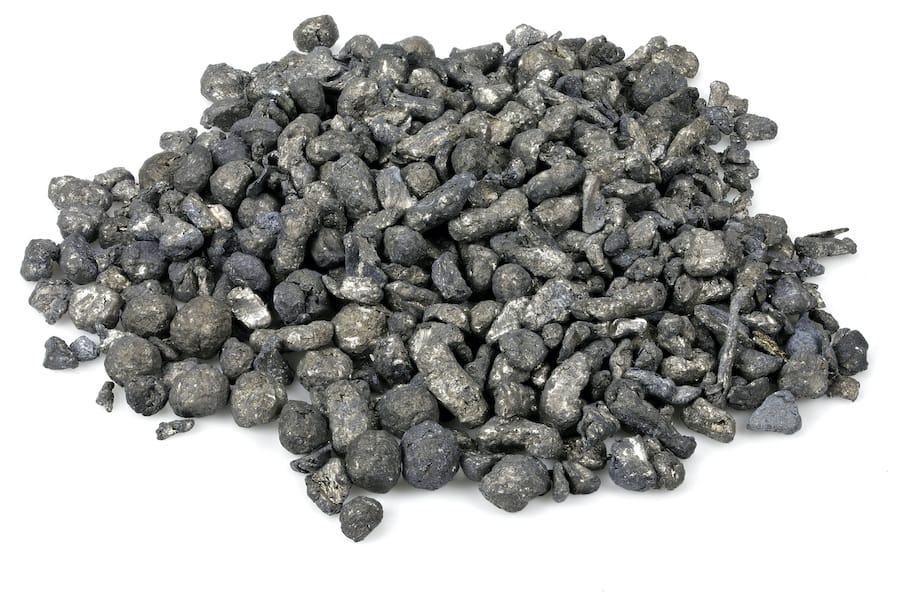
Calcium strengthens bones, teeth and is responsible for nerve impulse action.
If you eat dairy products on a daily basis, that's enough. The other good alternative may be calcium-containing water.
Calcium plays an important role in the formation and maintenance of bones and teeth.
Calcium in the nerves and muscle cells is responsible for impulse and hormonal signal transmission. It also regulates the activity of different enzymes, it has anti-inflammatory and anti-allergic properties.
Every day you need about 1000 mg.
Young people and seniors should receive more calcium. Especially a lot of calcium is in milk and cheese. If you do not eat dairy products every day, calcium-containing mineral water is a great alternative.
If calcium is lacking, the body is taking it from the skeletal bone, which can cause osteoporosis or "bone loss" in the long run. Especially it may affect older people, mainly women. Calcium deficiency can also cause headaches, muscle spasms, and irritability.
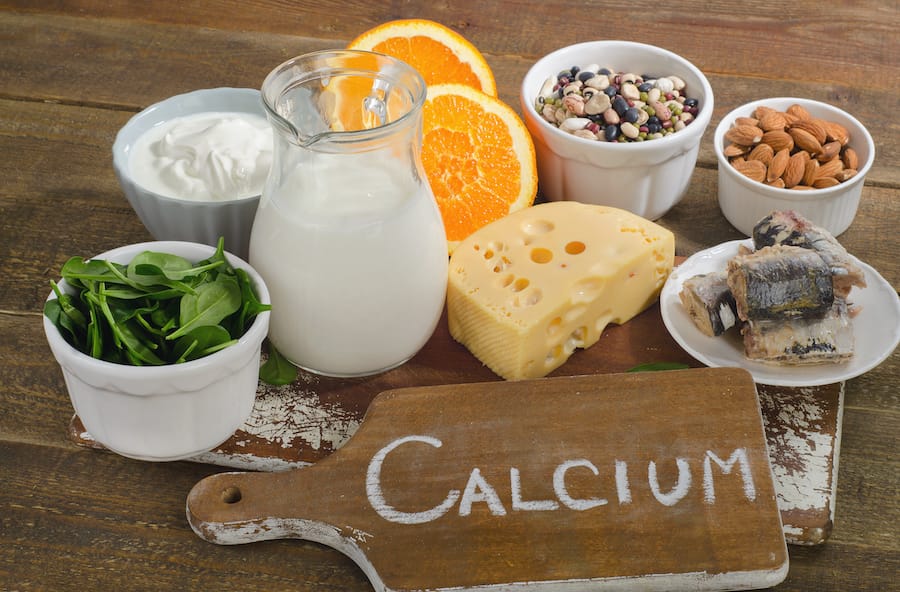
Food that contains this element the most.
Hydrogen Carbonate

Hydrogen carbonate (HCO3), also called bicarbonate, tastes light, soap-like.
It has an alkaline effect, and it can improve the body's acid-alkaline balance, i.e., bicarbonate is able to bond the stomach acid.
Hydrogen carbonate can help with various digestive problems. Water with high bicarbonate content gently relieves heartburn and may reduce inflammation of the gastric mucosa.
Hydrogen carbonate is not a mineral, but is the salt of carbonic acid, and is present in each mineral water.
Thanks to the acid-neutralizing effect, it not only delivers a pleasantly neutral and natural flavor to mineral water but also improves the body's acid-alkali balance.
Potassium

Potassium (K) provides water balance in the body.
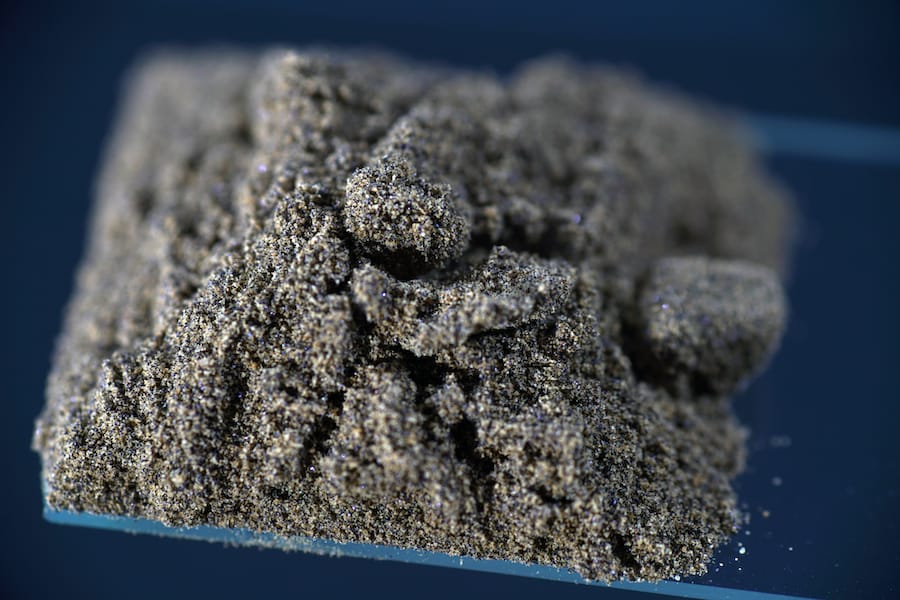
It tastes a bit salty and bitter.
Potassium plays an important role in the regulation of fluid and acid-alkaline balance.
Potassium activates various enzymes and is especially important for heart and muscle activity.
Potassium is up to 98% in the body cells.
Potassium deficiency causes muscle weakness, decreased blood pressure, disturbances in heart rate, loss of appetite, and constipation.
A good recommendation for active athletes is to consume potassium-rich waters.
Potassium regulates cardiac and muscle activity relaxes muscles and nerves. Together with sodium, it helps to maintain the balance of water in the body.
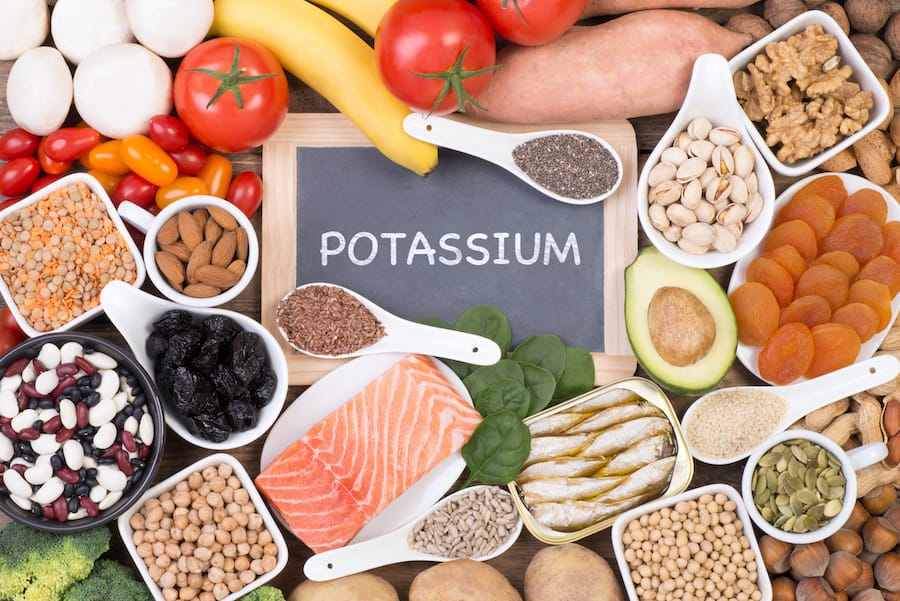
When eating plenty of vegetables, fruits, and milk, you can take the necessary 2 grams of potassium daily.
Food that contains this element the most.
Magnesium

Magnesium has a bitter taste, sometimes it can give a sweet aftertaste.
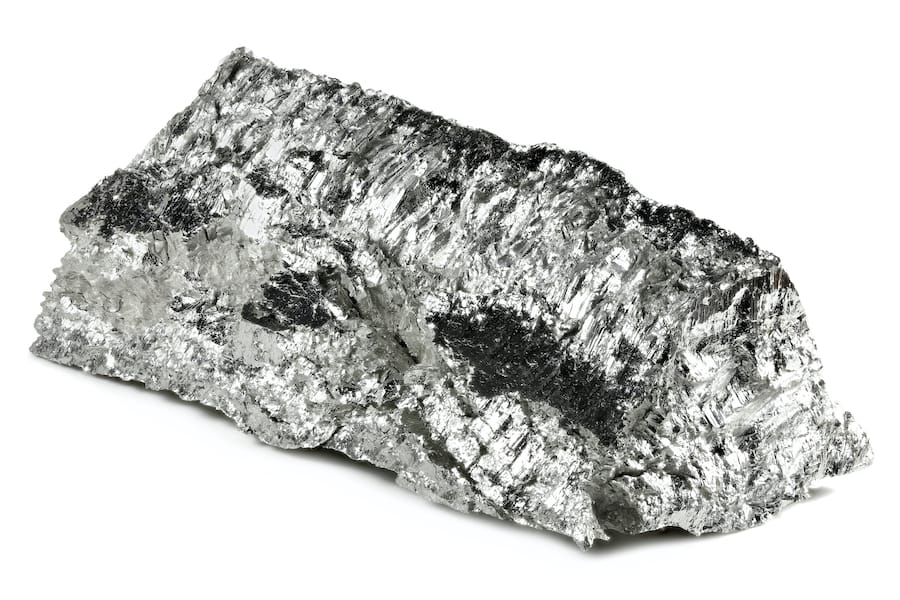
Magnesium is a very important element for the heart.
It is considered to be an antistress mineral and is also vital for the skin.
Magnesium is important for the transport of nerve impulses, which helps the muscles to relax.
Magnesium activates more than 300 enzymes in the body and regulates electrochemical impulses.
Every day you need 350 mg for men, 300 mg for women, 400 mg for young people.
More magnesium is needed for pregnant women, athletes, and people in stressful situations.
Manifestations of magnesium deficiency: leg cramps, migraine, headache, cardiac and circulatory organ failure, may be at increased risk of thrombosis.
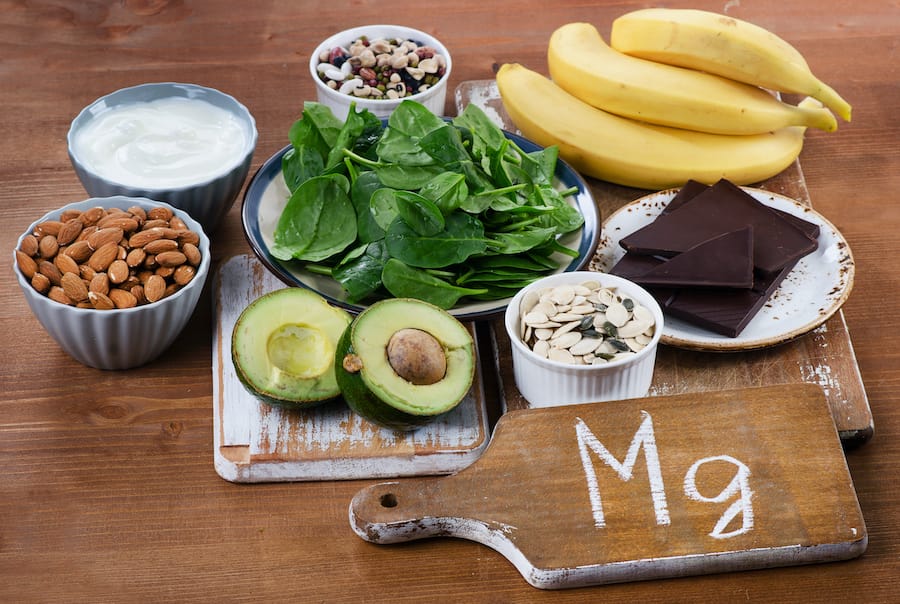
Food that contains this element the most.
Sodium

Sodium (Na) has a salty taste.
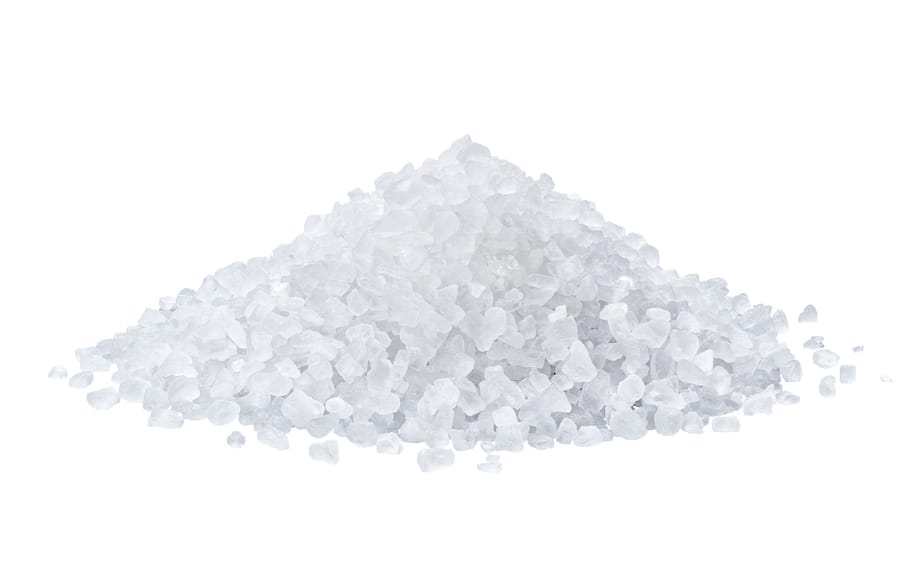
Combined with chloride and potassium sodium regulates fluid balance in the body, it is necessary for nerve and muscle activity, for the activation of enzymes.
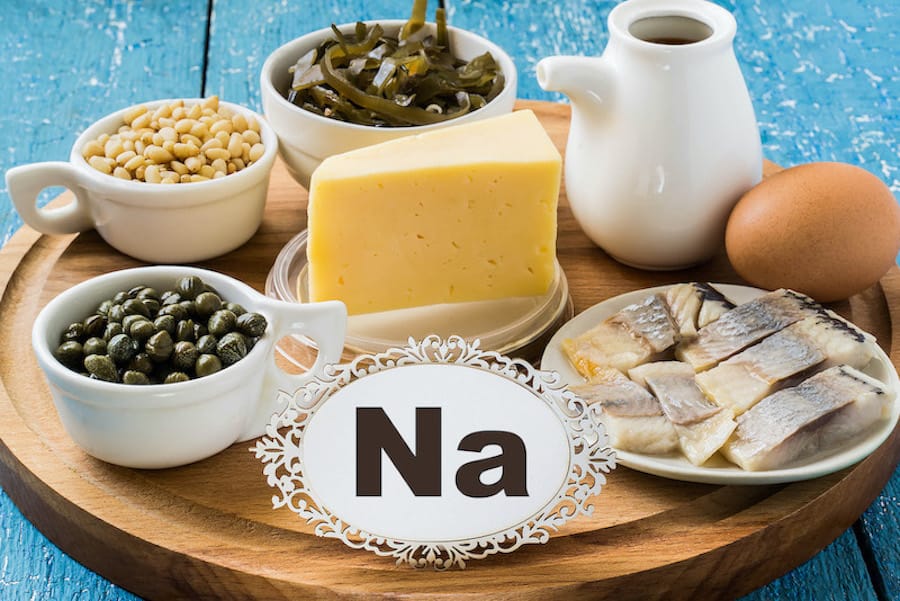
Most often sodium is taken with salt-containing products.
Every day you need 3000 mg of sodium and 3000 mg of chloride. Athletes need more sodium.
Sodium deficiency can cause weakness and seizures, even up to the circulatory collapse, especially in sports.
Caution: Sodium is not the same as cooking salt.
If there is a lot of physical activity, the amount of sodium needed per day may increase.
We often hear alerts on sodium overdoses, usually associated with salt in the diet. The cooking salt is a chemical compound - sodium chloride.
Mineral waters typically contain sodium in the form of sodium bicarbonate and only very small amounts such as sodium chloride.
If you are considering a low salt diet, use mineral water with low sodium content.
Food that contains this element the most.
Nitrat

Nitrate (NO3). The presence of nitrates indicates water pollution.
Nitrates in water may also be of natural origin, without chemical pollution of water. Geologists have observed that naturally, nitrate levels can be up to 15mg / l.
A small amount of nitrates is found even in waters where they should not seem to be. For example, in glacial waters, where hundreds of kilometers of economic activity do not occur.
We ingest nitrates with food or drinking water. They are harmless to adults without intestinal problems if the limit values are not exceeded.
Compared to tap water, mineral waters are mostly low in nitrate. Mineral waters are more protected from environmental effects, such as fertilizers and other chemicals, as sources are usually deep underground and are regularly tested.
The nitrate limits are:
- 0-1 mg / l - superior,
- 1-4 mg / l - very good,
- 4-7 mg / l - well,
- 7-10 mg / l - acceptable,
- 10-50 mg / l - within the normal range.
But if NO3 and NO2 pollution is not indicated on the bottle, it does not mean that it is not there.

Sulfate

Sulfate (SO4) has a slightly salty and bitter taste.
Sulfate plays an important role in the fat metabolism and liver detoxification process. It helps to improve digestion, stimulates intestinal and biliary function.
High sulfate mineral waters can stimulate digestion. It acts as a lightweight laxative but does not addict. Those who regularly use sulfate-containing mineral water naturally stimulate intestinal activity and prevent the onset of constipation.
When used with magnesium and calcium, the effect of sulfate can be increased.