
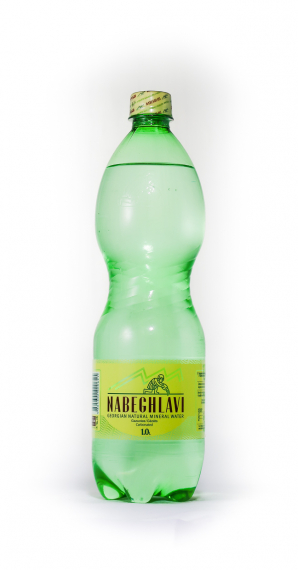
Nabeghlavi
mg/l
Mineralization
Info Performance
pH

-
mg/l
Hardness Ca+Mg
ms/m
Electrical conductvity
pH
pH (Power of hydrogen) is the number that represents the ratio of H+ (hydrogen) - ions to OH- (oxygen and hydrogen) - ions.

pH stands for numbers 1 to 14. pH below 7 means that the environment is acidic, and above 7 - is alkaline. 7 means that the environment is neutral and the ratio between H + and OH- is equal.
What is the difference between water pH 7, pH 8, and pH 9?
Each subsequent pH-number means that the environment is 10 times more alkaline (more oxygen and hydrogen OH-). If the pH value is greater than 7, then the environment is alkaline (more secured with OH-).
For example pH 8 = 10-times more alkaline than pH 7 and pH 9 = 10-times more alkaline than pH 8.
Conclusion: water with pH 9 is exactly 100-times more alkaline than water with pH 7, and pH 10 is 1000-times more alkaline than pH 7.
The same scheme also applies to the acid environment: pH 4 (more H+ ions) indicates 1000-times more acidic than pH 7, and the environment with pH 3 is 10.000-times more acidic than pH 7.
Carbonation
Carbonated water is also known as sparkling water. The origin of carbon dioxide may be different.
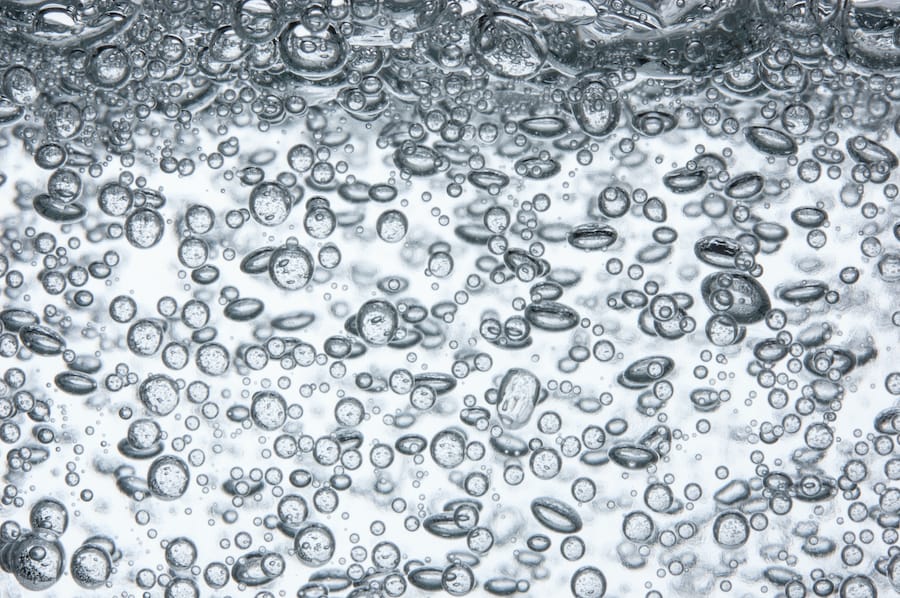
1)Natural- Already from the very birth, the water contains natural carbon dioxide CO2.
2)Natural CO2 is collected from the water birthplace and later added to the bottled water.
3)Artificial carbonation. (in 98% cases)
The Carbonation amount in the water- can be very lightly carbonated, medium, or very tangy.
Virtual Water Sommelier
Your guide, who unveils the secrets behind every drop.
Ask JEAN for his expert opinion on any Water!
Download the PickAqua app and quench your thirst for knowledge!
Let him guide you on a refreshing journey of Water functionality, taste, origin, and more.
Talk to JEAN.
Download PickAqua:


Good for:
High TDS
High TDS
The total amount of dissolved solids (TDS) or mineralization is the total amount of all the substances dissolved in water, through the soil layers. TDS content in water is measured in milligrams per liter (mg/l). In different countries the gradation of TDS varies slightly from very mild to moderate levels of
- Ultralight 1 - 50 mg/l,
- mild 50 - 500 mg/l,
- medium 500 - 1000 mg/l,
- high 1000 - 1500 mg/l
- up to very high 1500 - 3000 mg/l,
- and even super-high 3000 - 20000 mg/l mineralisation.
TDS is a major factor affecting the taste of the water - the higher the TDS, the greater the taste differences. The total mineralization of water (TDS) is another indicator of dry residue. The dry residue parameter of water at 180° or 260°C may be up to 30% lower than the TDS figure. This means that the total amount of substances dissolved in water can be even twice as high!
Daily mineral norm
Water mineral content ratio to total recommended daily mineral intake (%)
Mineral composition
TDS
3700 mg/lpH
About Source
Natural Mineral Water
In Europe, there are 3 main categories of water types: Natural Mineral Water, Natural Spring Water and Drinking Water/Table water. It is important to understand that any of these water categories except distilled water can contain a large variety of different minerals.Only distilled water does not contain any minerals and it is deionized. All other water categories correspond to one of these three main categories. All of them have different certification requirements and standards. The only water type that needs official recognition is Natural Mineral Water and its chemical composition is always stable. Natural mineral water is tested with around 200 individual examinations and is the only food product required for official recognition.
Both Natural Mineral Water and Natural Spring Water cannot be mixed with other water types and there must be nothing added or taken out from the water. These two water types must stay natural as they are and must be bottled only at the water birthplace from an underground source. Exceptionally, iron may be separated.
On the label must be written Natural Mineral Water. Unlike Drinking Water it has more flexible rules, the chemical composition may be changed, and it can be any water that corresponds to the requirements of Drinking Water. These three categories do not have any connection with the mineral amount in the water, it is the pure status of certification (in Europe.) Please find out more about these categories in Learning Materials.
Packaging
-
Material PET 1l
PET bottles should be carefully stored. 1) Under no circumstances allow overheating the bottle. If the bottle has overheated, it should be discarded. Overheated bottles will usually have a mild alcoholic smell after opening. (In summer, PET bottles are best stored in the car trunk.) Do not leave the bottle in the car under direct sunlight, it may have a magnifying glass effect and may damage the car. 2) Do not put PET bottles in direct sunlight (the sun makes the water more oxidative). 3) It is important not to store the bottles next to evaporating chemicals as the PET material is air permeable- some chemical particles could get into the water. 4) Handle any material responsibly and dispose it in an appropriate recycling container. Each person's responsible actions are important! -
Material Glass 0.5l
Any water wishes to be bottled in a glass bottle. It is a safe non-reactive material. Don't leave the bottle in the car in direct sunlight, it can have a magnifier effect and damage the car.