
Värska Originaal
mg/l
Mineralization
Info Performance
pH

-
mg/l
Hardness Ca+Mg
ms/m
Electrical conductvity
pH
pH (Power of hydrogen) is the number that represents the ratio of H+ (hydrogen) - ions to OH- (oxygen and hydrogen) - ions.

pH stands for numbers 1 to 14. pH below 7 means that the environment is acidic, and above 7 - is alkaline. 7 means that the environment is neutral and the ratio between H + and OH- is equal.
What is the difference between water pH 7, pH 8, and pH 9?
Each subsequent pH-number means that the environment is 10 times more alkaline (more oxygen and hydrogen OH-). If the pH value is greater than 7, then the environment is alkaline (more secured with OH-).
For example pH 8 = 10-times more alkaline than pH 7 and pH 9 = 10-times more alkaline than pH 8.
Conclusion: water with pH 9 is exactly 100-times more alkaline than water with pH 7, and pH 10 is 1000-times more alkaline than pH 7.
The same scheme also applies to the acid environment: pH 4 (more H+ ions) indicates 1000-times more acidic than pH 7, and the environment with pH 3 is 10.000-times more acidic than pH 7.
Carbonation
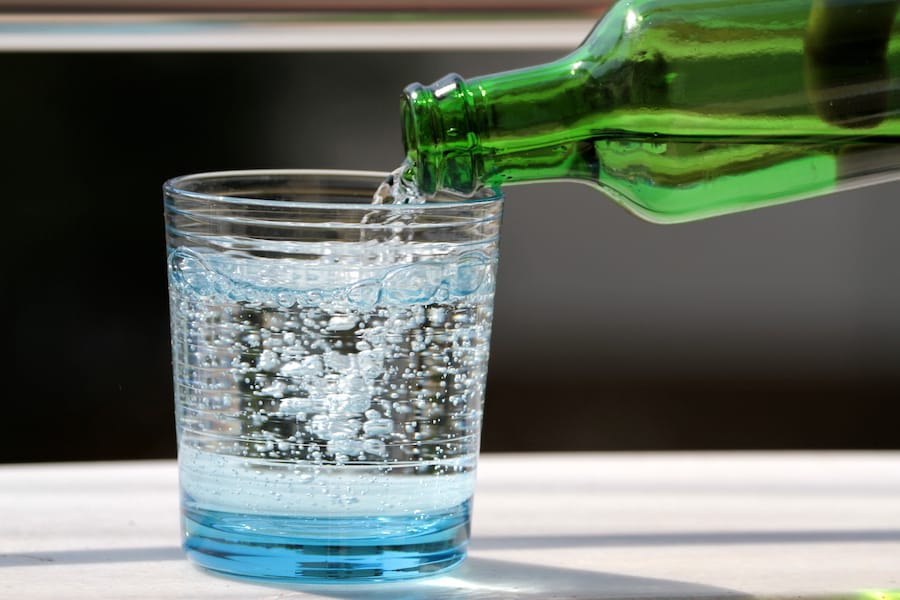
Carbonated water is also known as sparkling water. The origin of carbon dioxide may be different.
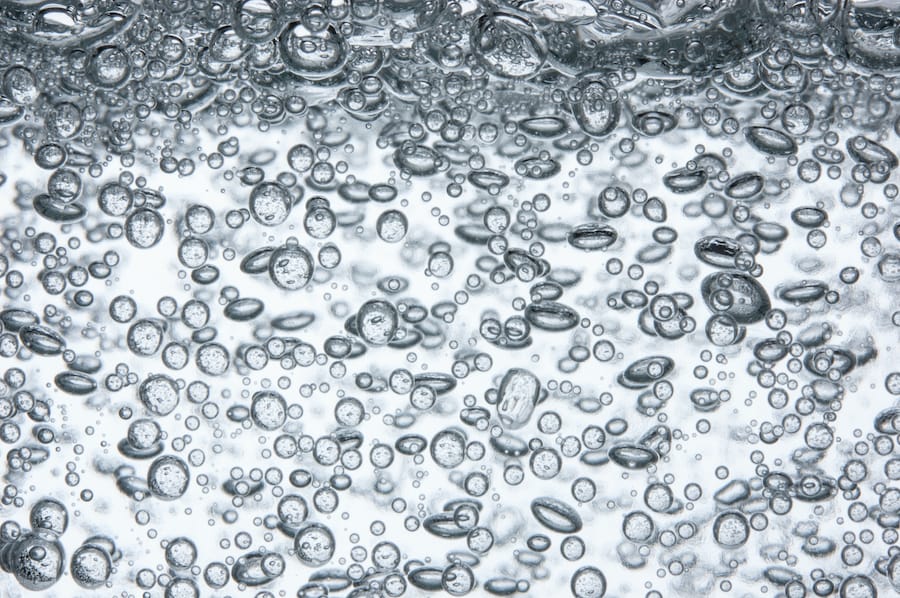
1)Natural- Already from the very birth, the water contains natural carbon dioxide CO2.
2)Natural CO2 is collected from the water birthplace and later added to the bottled water.
3)Artificial carbonation. (in 98% cases)
The Carbonation amount in the water- can be very lightly carbonated, medium, or very tangy.
Good for:

Chloride

Sodium

High TDS
Chloride
Chloride (Cl) tastes salty and a bit bitter.
Chloride, along with other minerals, affects the osmotic pressure in the cells and the balance of the body's acid-alkaline balance.
Combined with hydrogen, it forms the hydrochloric acid in the stomach and thus promotes digestion.
If the body lacks chloride, symptoms include stomach acid disorder, diarrhea. Chloride as an ingredient in gastric juice ensures the balance of acids and alkalis.
Chloride deficiency can be manifested in muscle spasms or heart dysfunction.
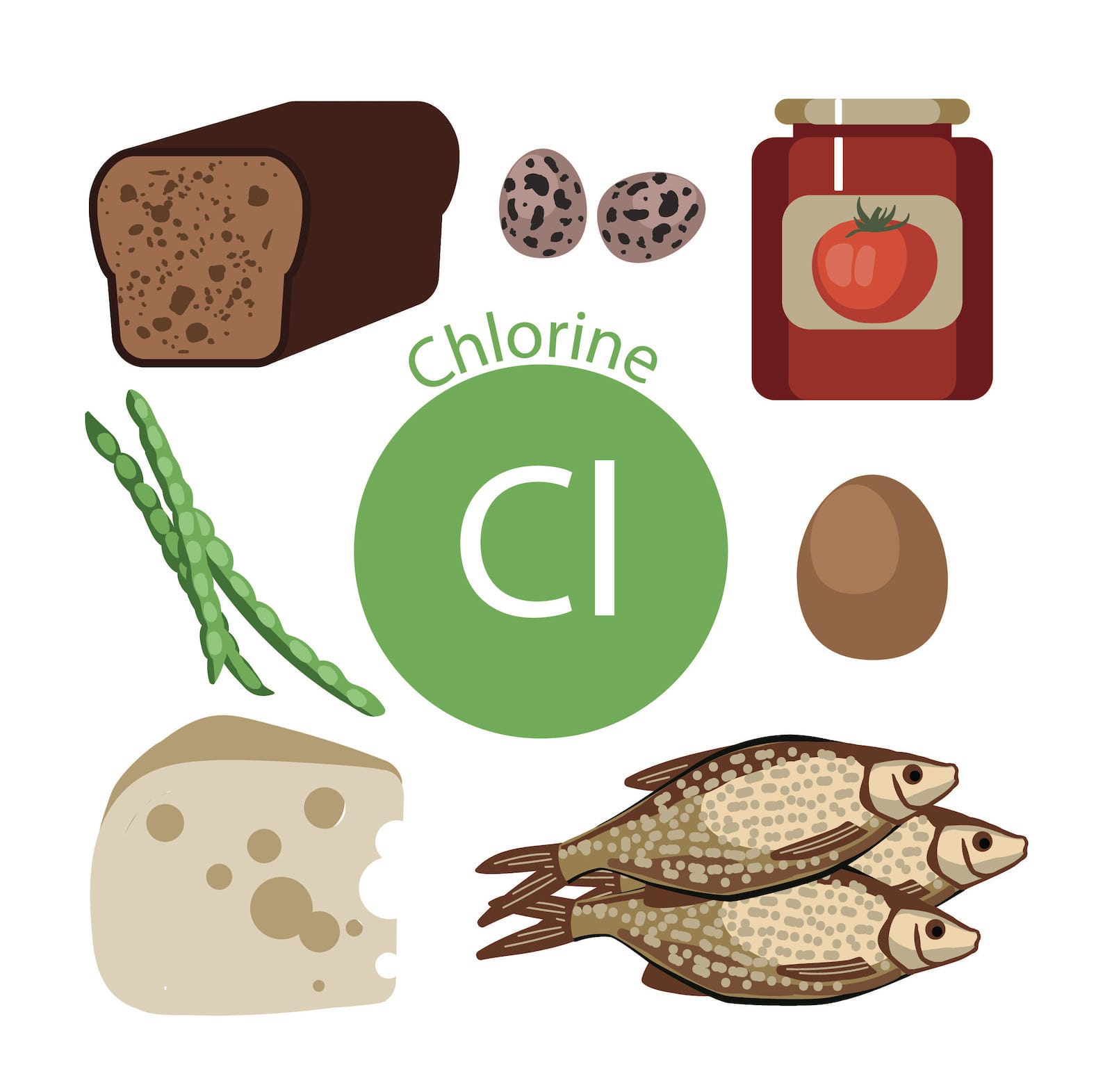
Food that contains this element the most.
Sodium
Sodium (Na) has a salty taste.
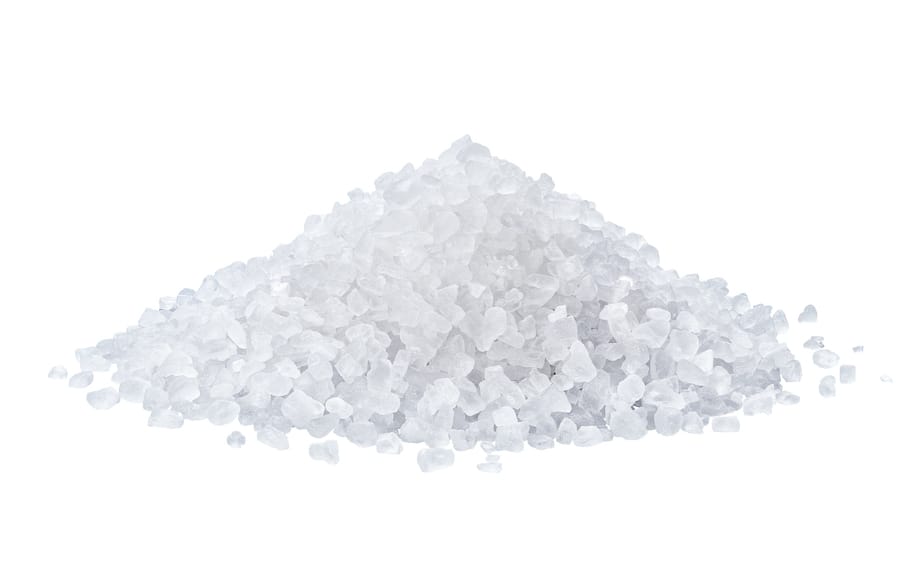
Combined with chloride and potassium sodium regulates fluid balance in the body, it is necessary for nerve and muscle activity, for the activation of enzymes.
Most often sodium is taken with salt-containing products.
Every day you need 550 mg of sodium and 800 mg of chloride. Athletes need more sodium.
Sodium deficiency can cause weakness and seizures, even up to the circulatory collapse, especially in sports.
Caution: Sodium is not the same as cooking salt.
If there is a lot of physical activity, the amount of sodium needed per day may increase.
We often hear alerts on sodium overdoses, usually associated with salt in the diet. The cooking salt is a chemical compound - sodium chloride.
Mineral waters typically contain sodium in the form of sodium bicarbonate and only very small amounts such as sodium chloride.
If you are considering a low salt diet, use mineral water with low sodium content.
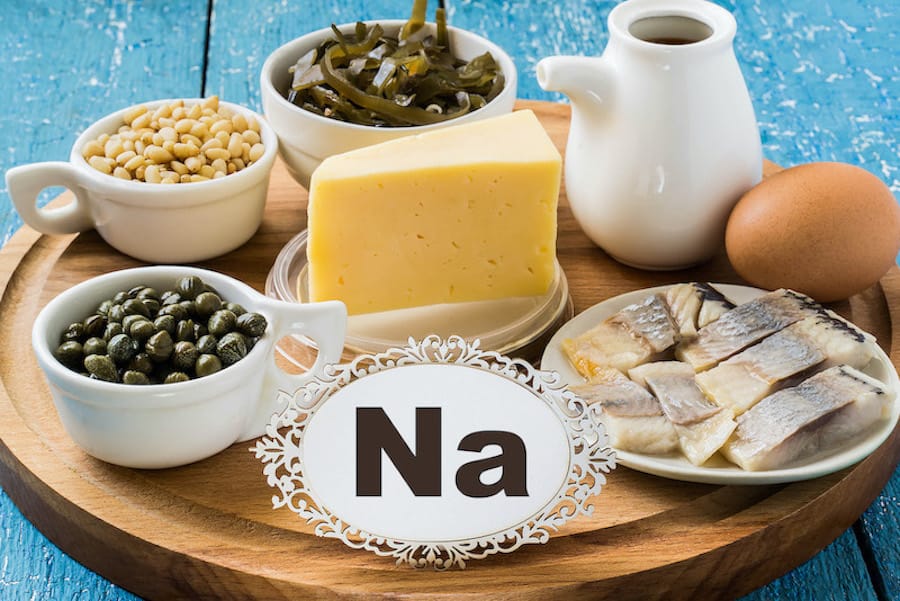
Food that contains this element the most.
High TDS
The total amount of dissolved solids (TDS) or mineralization is the total amount of all the substances dissolved in water, through the soil layers. TDS content in water is measured in milligrams per liter (mg/l). In different countries the gradation of TDS varies slightly from very mild to moderate levels of
- Ultralight 1 - 50 mg/l,
- mild 50 - 500 mg/l,
- medium 500 - 1000 mg/l,
- high 1000 - 1500 mg/l
- up to very high 1500 - 3000 mg/l,
- and even super-high 3000 - 20000 mg/l mineralisation.
TDS is a major factor affecting the taste of the water - the higher the TDS, the greater the taste differences. The total mineralization of water (TDS) is another indicator of dry residue. The dry residue parameter of water at 180° or 260°C may be up to 30% lower than the TDS figure. This means that the total amount of substances dissolved in water can be even twice as high!
Daily mineral norm
Water mineral content ratio to total recommended daily mineral intake (%)
Mineral composition
Calcium

Calcium (Ca) can leave a dry aftertaste.
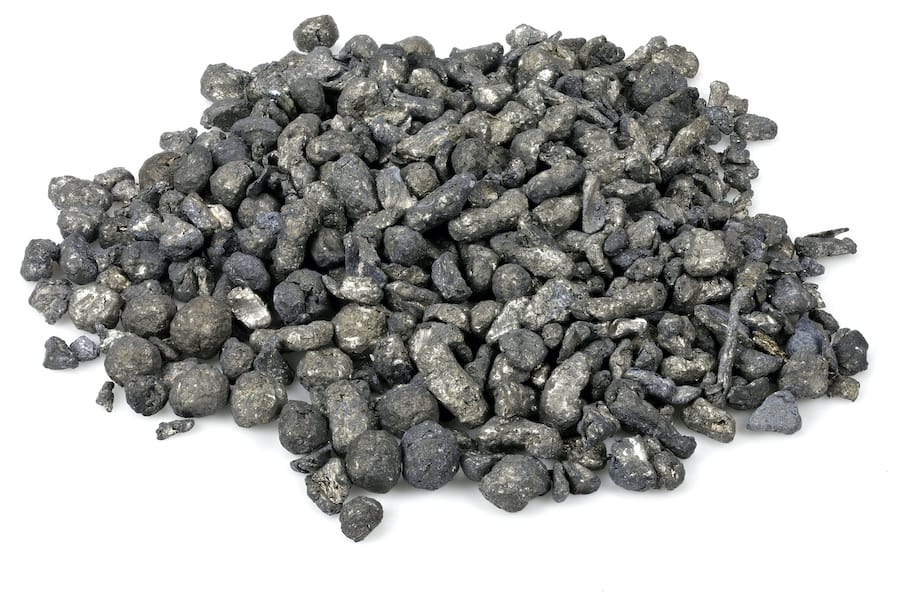
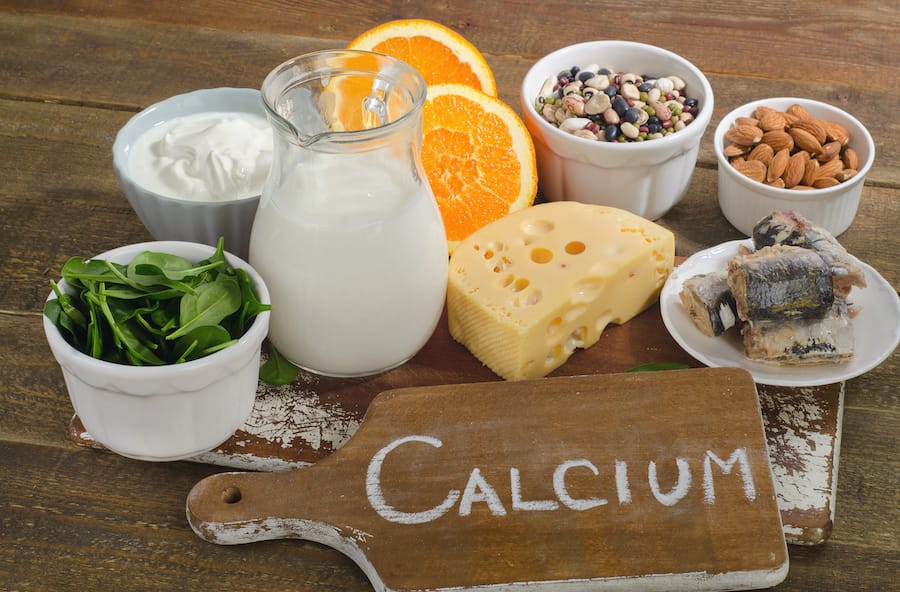
Calcium strengthens bones, teeth and is responsible for nerve impulse action.
If you eat dairy products on a daily basis, that's enough. The other good alternative may be calcium-containing water.
Calcium plays an important role in the formation and maintenance of bones and teeth.
Calcium in the nerves and muscle cells is responsible for impulse and hormonal signal transmission. It also regulates the activity of different enzymes, it has anti-inflammatory and anti-allergic properties.
Every day you need about 1000 mg.
Young people and seniors should receive more calcium. Especially a lot of calcium is in milk and cheese. If you do not eat dairy products every day, calcium-containing mineral water is a great alternative.
If calcium is lacking, the body is taking it from the skeletal bone, which can cause osteoporosis or "bone loss" in the long run. Especially it may affect older people, mainly women. Calcium deficiency can also cause headaches, muscle spasms, and irritability.
Food that contains this element the most.
Chloride

Chloride (Cl) tastes salty and a bit bitter.
Chloride, along with other minerals, affects the osmotic pressure in the cells and the balance of the body's acid-alkaline balance.
Combined with hydrogen, it forms the hydrochloric acid in the stomach and thus promotes digestion.
If the body lacks chloride, symptoms include stomach acid disorder, diarrhea. Chloride as an ingredient in gastric juice ensures the balance of acids and alkalis.
Chloride deficiency can be manifested in muscle spasms or heart dysfunction.
Food that contains this element the most.
Potassium

Potassium (K) provides water balance in the body.
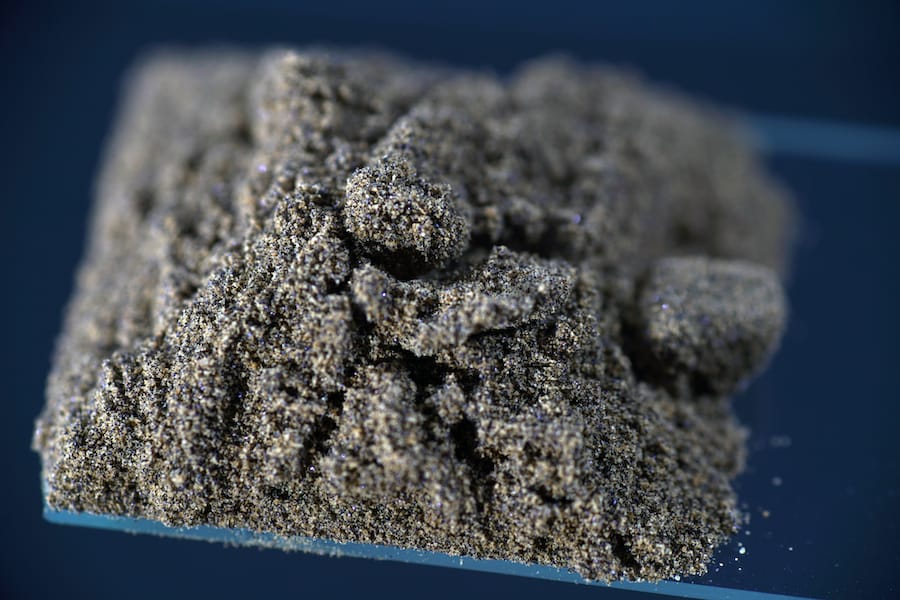
It tastes a bit salty and bitter.
Potassium plays an important role in the regulation of fluid and acid-alkaline balance.
Potassium activates various enzymes and is especially important for heart and muscle activity.
Potassium is up to 98% in the body cells.
Potassium deficiency causes muscle weakness, decreased blood pressure, disturbances in heart rate, loss of appetite, and constipation.
A good recommendation for active athletes is to consume potassium-rich waters.
Potassium regulates cardiac and muscle activity relaxes muscles and nerves. Together with sodium, it helps to maintain the balance of water in the body.
When eating plenty of vegetables, fruits, and milk, you can take the necessary 2 grams of potassium daily.
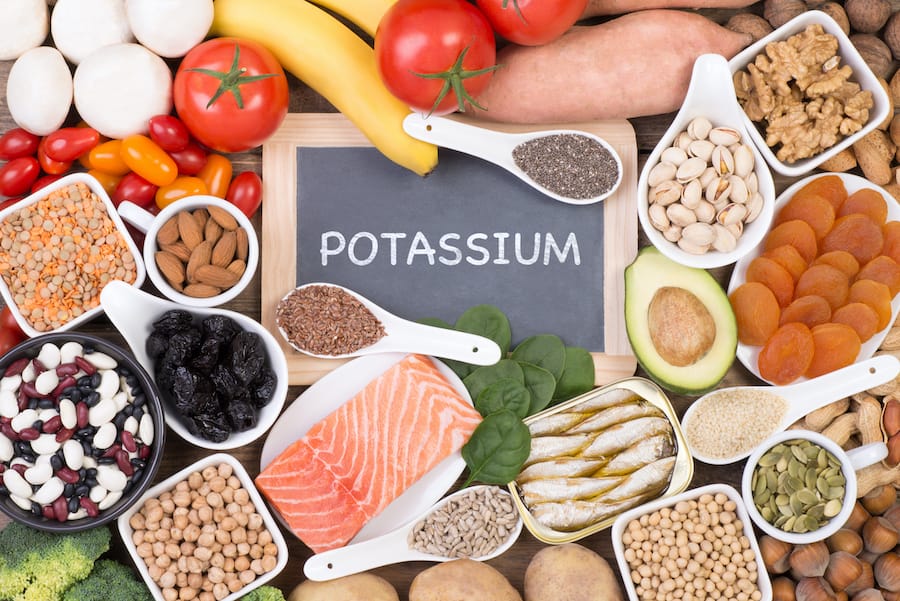
Food that contains this element the most.
Magnesium

Magnesium has a bitter taste, sometimes it can give a sweet aftertaste.
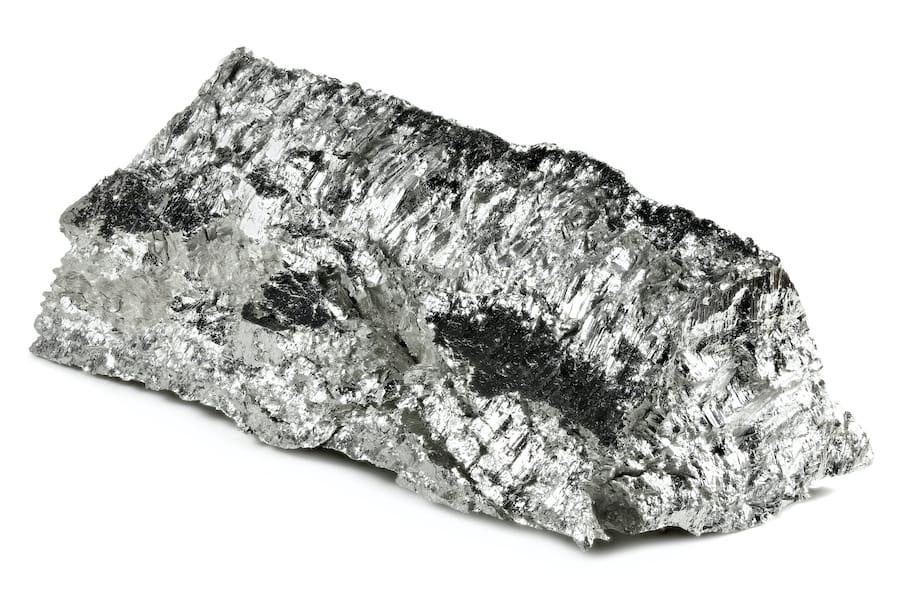
Magnesium is a very important element for the heart.
It is considered to be an antistress mineral and is also vital for the skin.
Magnesium is important for the transport of nerve impulses, which helps the muscles to relax.
Magnesium activates more than 300 enzymes in the body and regulates electrochemical impulses.
Every day you need 350 mg for men, 300 mg for women, 400 mg for young people.
More magnesium is needed for pregnant women, athletes, and people in stressful situations.
Manifestations of magnesium deficiency: leg cramps, migraine, headache, cardiac and circulatory organ failure, may be at increased risk of thrombosis.
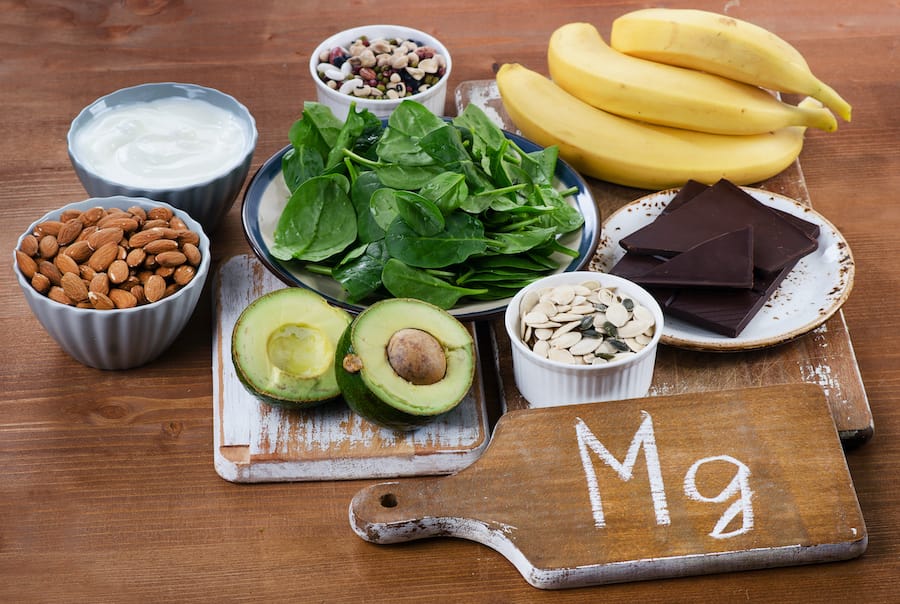
Food that contains this element the most.
Sodium

Sodium (Na) has a salty taste.
Combined with chloride and potassium sodium regulates fluid balance in the body, it is necessary for nerve and muscle activity, for the activation of enzymes.
Most often sodium is taken with salt-containing products.
Every day you need 3000 mg of sodium and 3000 mg of chloride. Athletes need more sodium.
Sodium deficiency can cause weakness and seizures, even up to the circulatory collapse, especially in sports.
Caution: Sodium is not the same as cooking salt.
If there is a lot of physical activity, the amount of sodium needed per day may increase.
We often hear alerts on sodium overdoses, usually associated with salt in the diet. The cooking salt is a chemical compound - sodium chloride.
Mineral waters typically contain sodium in the form of sodium bicarbonate and only very small amounts such as sodium chloride.
If you are considering a low salt diet, use mineral water with low sodium content.
Food that contains this element the most.
Sulfate

Sulfate (SO4) has a slightly salty and bitter taste.
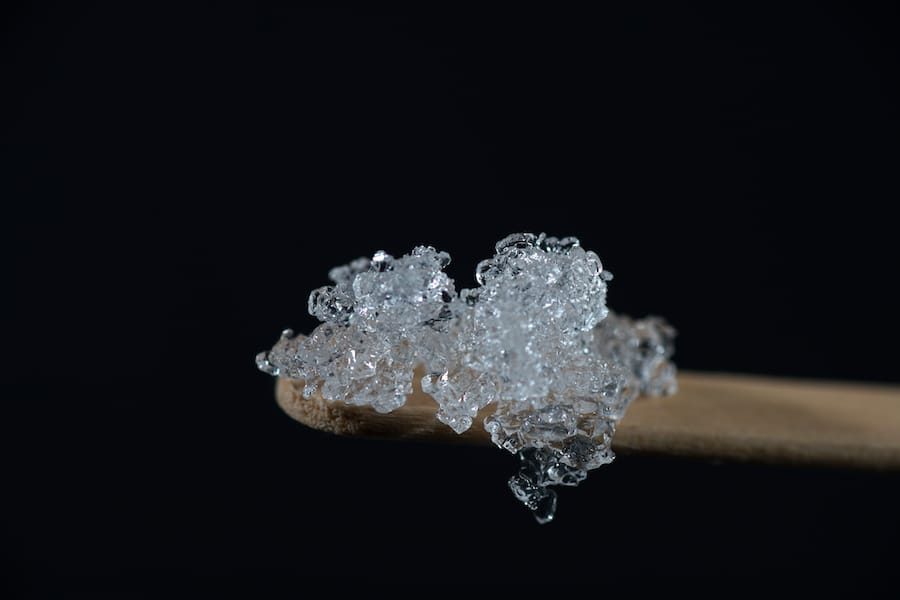
Sulfate plays an important role in the fat metabolism and liver detoxification process. It helps to improve digestion, stimulates intestinal and biliary function.
High sulfate mineral waters can stimulate digestion. It acts as a lightweight laxative but does not addict. Those who regularly use sulfate-containing mineral water naturally stimulate intestinal activity and prevent the onset of constipation.
When used with magnesium and calcium, the effect of sulfate can be increased.
About Source
Natural Mineral Water
In Europe, there are 3 main categories of water types: Natural Mineral Water, Natural Spring Water and Drinking Water/Table water. It is important to understand that any of these water categories except distilled water can contain a large variety of different minerals.Only distilled water does not contain any minerals and it is deionized. All other water categories correspond to one of these three main categories. All of them have different certification requirements and standards. The only water type that needs official recognition is Natural Mineral Water and its chemical composition is always stable. Natural mineral water is tested with around 200 individual examinations and is the only food product required for official recognition.
Both Natural Mineral Water and Natural Spring Water cannot be mixed with other water types and there must be nothing added or taken out from the water. These two water types must stay natural as they are and must be bottled only at the water birthplace from an underground source. Exceptionally, iron may be separated.
On the label must be written Natural Mineral Water. Unlike Drinking Water it has more flexible rules, the chemical composition may be changed, and it can be any water that corresponds to the requirements of Drinking Water. These three categories do not have any connection with the mineral amount in the water, it is the pure status of certification (in Europe.) Please find out more about these categories in Learning Materials.
Packaging
-
Material PET 1.5l
PET bottles should be carefully stored. 1) Under no circumstances allow overheating the bottle. If the bottle has overheated, it should be discarded. Overheated bottles will usually have a mild alcoholic smell after opening. (In summer, PET bottles are best stored in the car trunk.) Do not leave the bottle in the car under direct sunlight, it may have a magnifying glass effect and may damage the car. 2) Do not put PET bottles in direct sunlight (the sun makes the water more oxidative). 3) It is important not to store the bottles next to evaporating chemicals as the PET material is air permeable- some chemical particles could get into the water. 4) Handle any material responsibly and dispose it in an appropriate recycling container. Each person's responsible actions are important!