
St Gero
mg/l
Mineralization
Info Performance
pH

Carbonated
mg/l
Hardness Ca+Mg
ms/m
Electrical conductvity
pH
pH (Power of hydrogen) is the number that represents the ratio of H+ (hydrogen) - ions to OH- (oxygen and hydrogen) - ions.

pH stands for numbers 1 to 14. pH below 7 means that the environment is acidic, and above 7 - is alkaline. 7 means that the environment is neutral and the ratio between H + and OH- is equal.
What is the difference between water pH 7, pH 8, and pH 9?
Each subsequent pH-number means that the environment is 10 times more alkaline (more oxygen and hydrogen OH-). If the pH value is greater than 7, then the environment is alkaline (more secured with OH-).
For example pH 8 = 10-times more alkaline than pH 7 and pH 9 = 10-times more alkaline than pH 8.
Conclusion: water with pH 9 is exactly 100-times more alkaline than water with pH 7, and pH 10 is 1000-times more alkaline than pH 7.
The same scheme also applies to the acid environment: pH 4 (more H+ ions) indicates 1000-times more acidic than pH 7, and the environment with pH 3 is 10.000-times more acidic than pH 7.
Carbonation
Carbonated water is also known as sparkling water. The origin of carbon dioxide may be different.
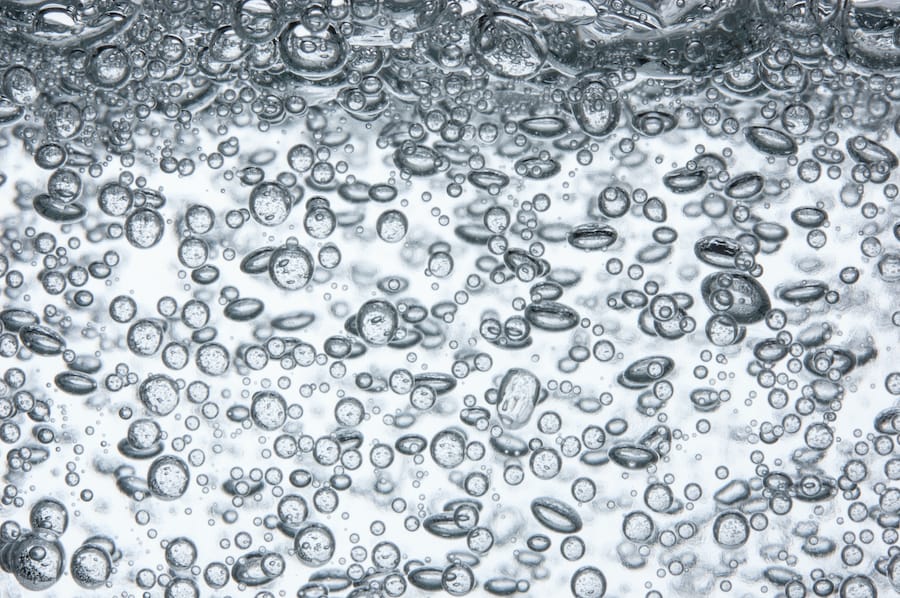
1)Natural- Already from the very birth, the water contains natural carbon dioxide CO2.
2)Natural CO2 is collected from the water birthplace and later added to the bottled water.
3)Artificial carbonation. (in 98% cases)
The Carbonation amount in the water- can be very lightly carbonated, medium, or very tangy.

Virtual Water Sommelier
Your guide, who unveils the secrets behind every drop.
Ask JEAN for his expert opinion on any Water!
Download the PickAqua app and quench your thirst for knowledge!
Let him guide you on a refreshing journey of Water functionality, taste, origin, and more.
Talk to JEAN.
Download PickAqua:


Daily mineral norm
Water mineral content ratio to total recommended daily mineral intake (%)
Mineral composition
TDS
2404 mg/lSilver
Barium
Bromine
Calcium

Calcium (Ca) can leave a dry aftertaste.
Calcium strengthens bones, teeth and is responsible for nerve impulse action.
If you eat dairy products on a daily basis, that's enough. The other good alternative may be calcium-containing water.
Calcium plays an important role in the formation and maintenance of bones and teeth.
Calcium in the nerves and muscle cells is responsible for impulse and hormonal signal transmission. It also regulates the activity of different enzymes, it has anti-inflammatory and anti-allergic properties.
Every day you need about 1000 mg.
Young people and seniors should receive more calcium. Especially a lot of calcium is in milk and cheese. If you do not eat dairy products every day, calcium-containing mineral water is a great alternative.
If calcium is lacking, the body is taking it from the skeletal bone, which can cause osteoporosis or "bone loss" in the long run. Especially it may affect older people, mainly women. Calcium deficiency can also cause headaches, muscle spasms, and irritability.
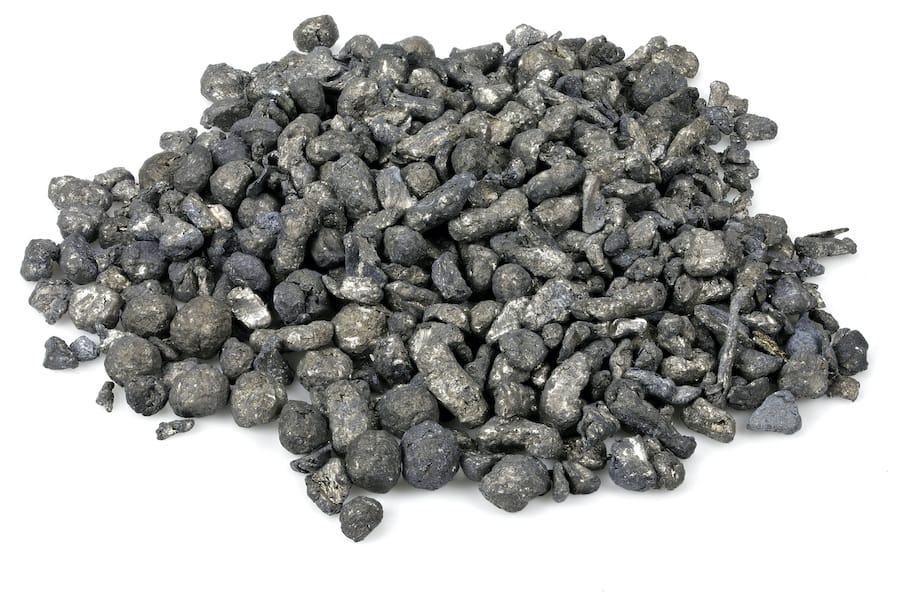
Food that contains this element the most.
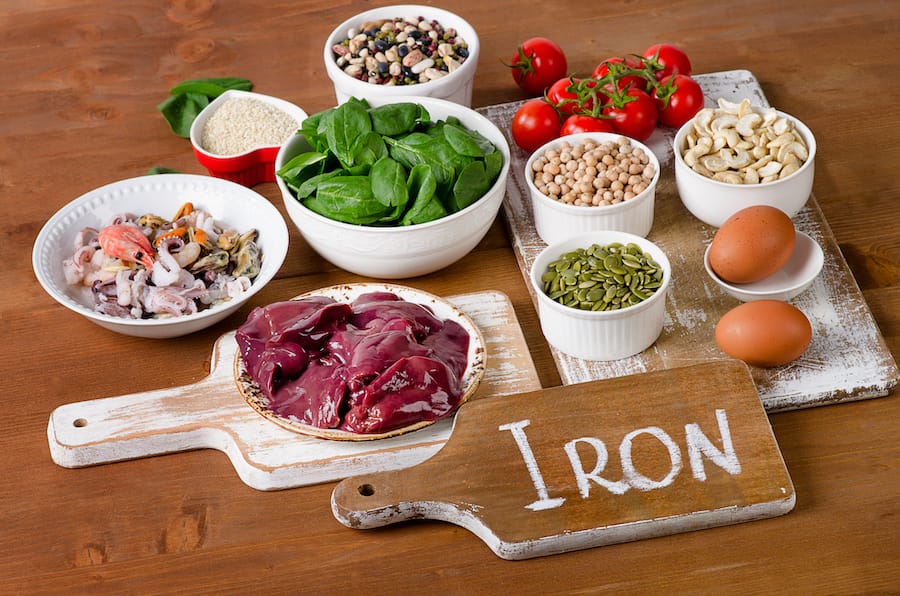
Iron

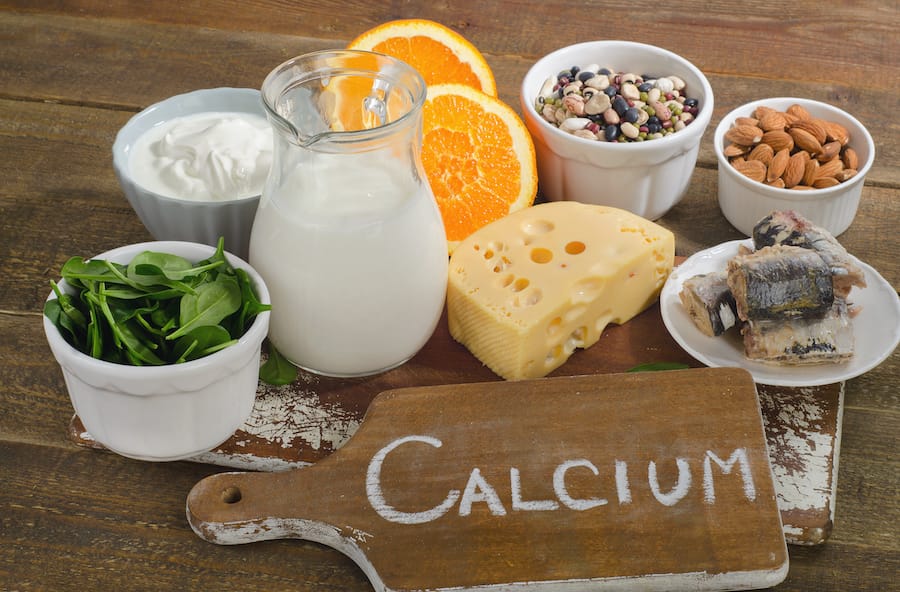
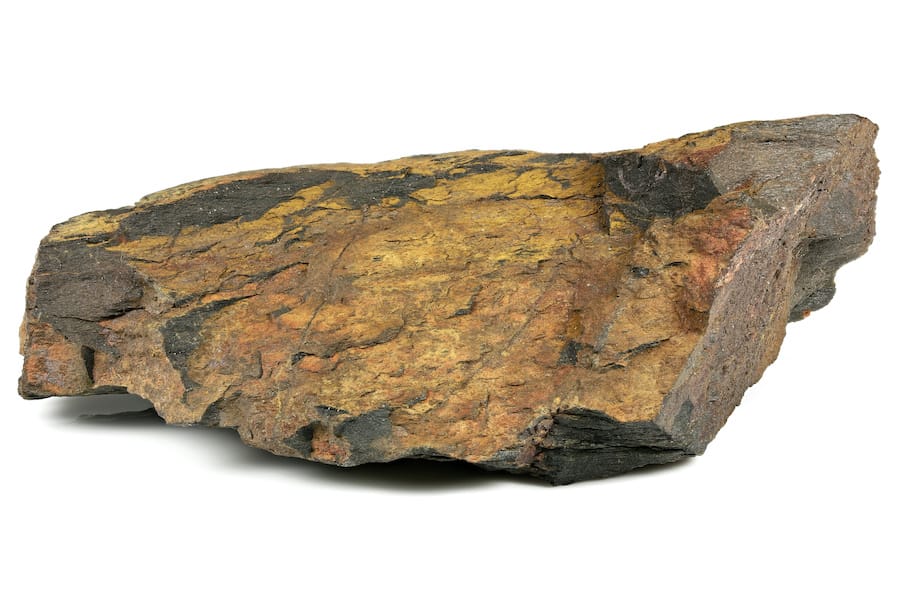
Iron’s (Fe) primary role in the body is with regard to the formation of hemoglobin, which guarantees circulation of the blood and oxygenation to various organ systems.
Without iron, anemia sets in, this is manifested in muscle weakness, fatigue, gastrointestinal disorders, and cognitive malfunction.
Apart from that, it is a key element for ensuring proper body metabolism, muscle activity, brain function, and the regulation of body temperature.
Further, it also aids in boosting immunity and giving relief from insomnia and restless leg syndrome.
Food that contains this element the most.
Silicic Acid

Silicic Acid (Si/SiO2/H2SiO3), also known as silicon, is a real well-being and beauty mineral, which tastes neutral.
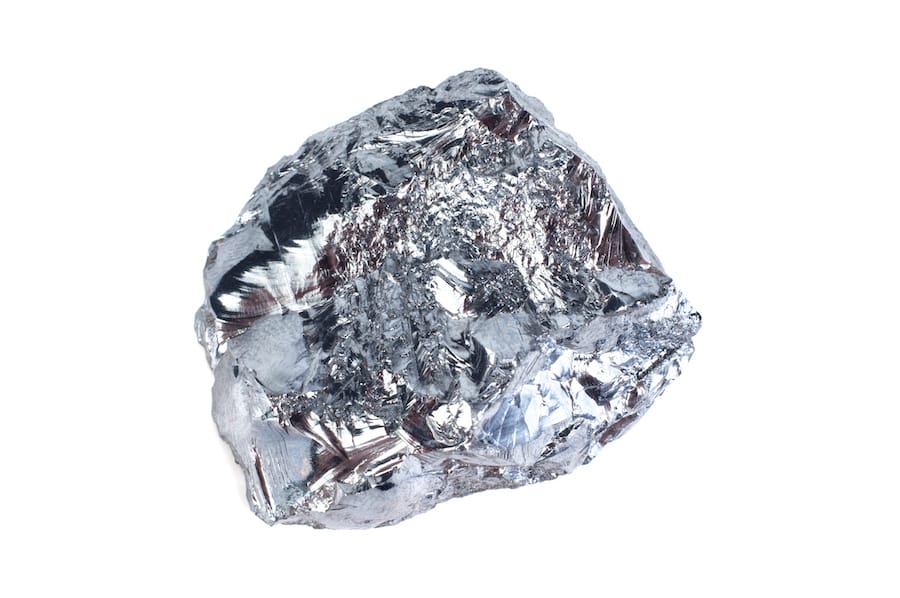
Silicon helps to strengthen nails, hair, and skin, stimulate collagen and elastin synthesis in the body.
Silicon is important for everybody.
Silicon plays an important role in bone formation, which contributes to the absorption of calcium. The strength of tendons and connective tissue also depends on the amount of silicon in the body, it also strengthens the immune system.
The deficiency of silicon can cause bone flesh (osteoporosis), brittle nails and hair, pallor, wrinkle skin, etc..
Silicon in nature is not present in pure form, it is always in combination with oxygen - like silicic acid.
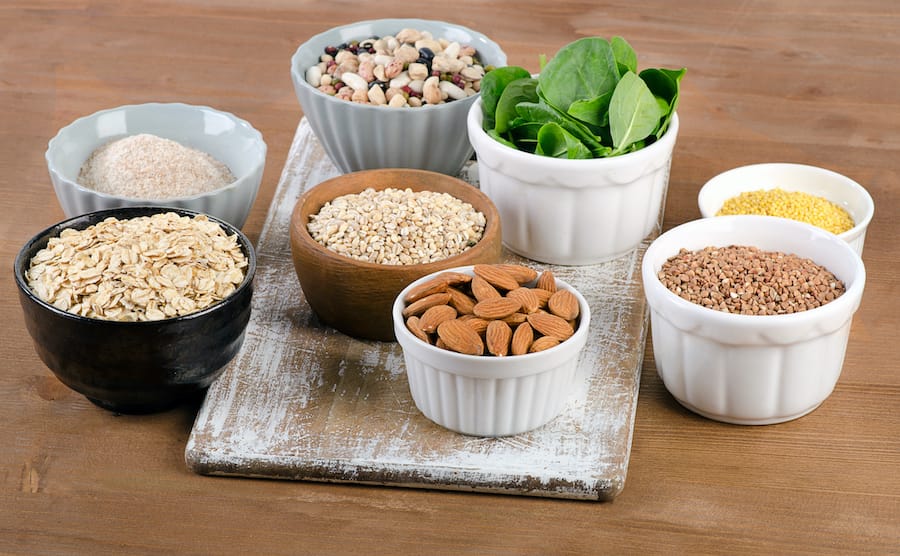
Food that contains this element the most.
Hydrogen Carbonate

Hydrogen carbonate (HCO3), also called bicarbonate, tastes light, soap-like.
It has an alkaline effect, and it can improve the body's acid-alkaline balance, i.e., bicarbonate is able to bond the stomach acid.
Hydrogen carbonate can help with various digestive problems. Water with high bicarbonate content gently relieves heartburn and may reduce inflammation of the gastric mucosa.
Hydrogen carbonate is not a mineral, but is the salt of carbonic acid, and is present in each mineral water.
Thanks to the acid-neutralizing effect, it not only delivers a pleasantly neutral and natural flavor to mineral water but also improves the body's acid-alkali balance.
Potassium

Potassium (K) provides water balance in the body.
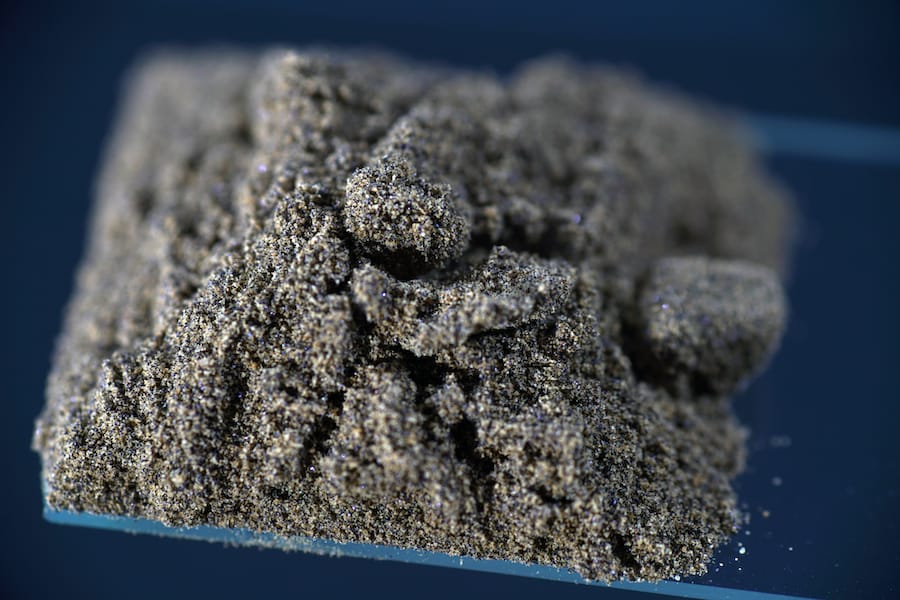
It tastes a bit salty and bitter.
Potassium plays an important role in the regulation of fluid and acid-alkaline balance.
Potassium activates various enzymes and is especially important for heart and muscle activity.
Potassium is up to 98% in the body cells.
Potassium deficiency causes muscle weakness, decreased blood pressure, disturbances in heart rate, loss of appetite, and constipation.
A good recommendation for active athletes is to consume potassium-rich waters.
Potassium regulates cardiac and muscle activity relaxes muscles and nerves. Together with sodium, it helps to maintain the balance of water in the body.
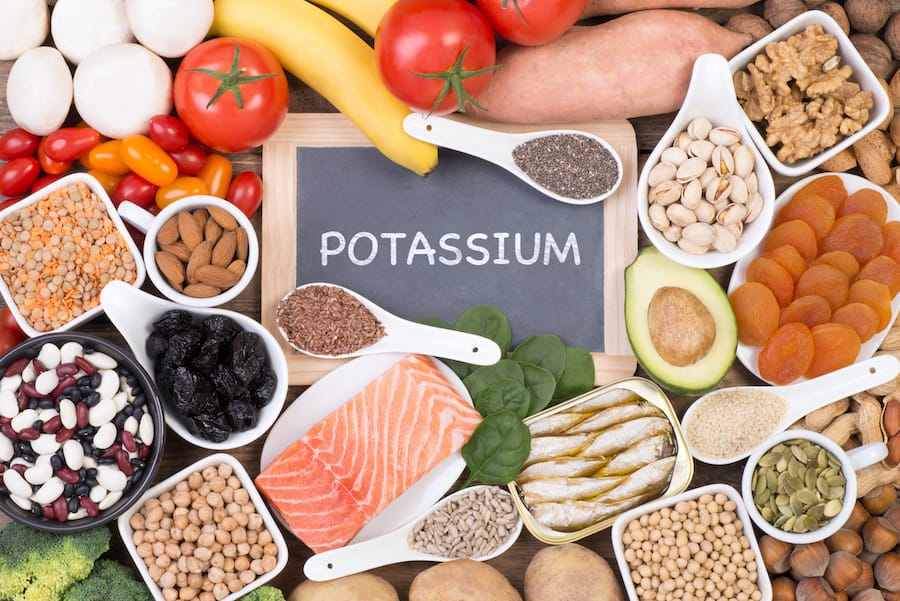
When eating plenty of vegetables, fruits, and milk, you can take the necessary 2 grams of potassium daily.
Food that contains this element the most.
Lithium

Lithium (Li) is a naturally occurring trace element found in seaweed, dairy, eggs, potatoes and fruit, and vegetables grown in lithium-rich soil.
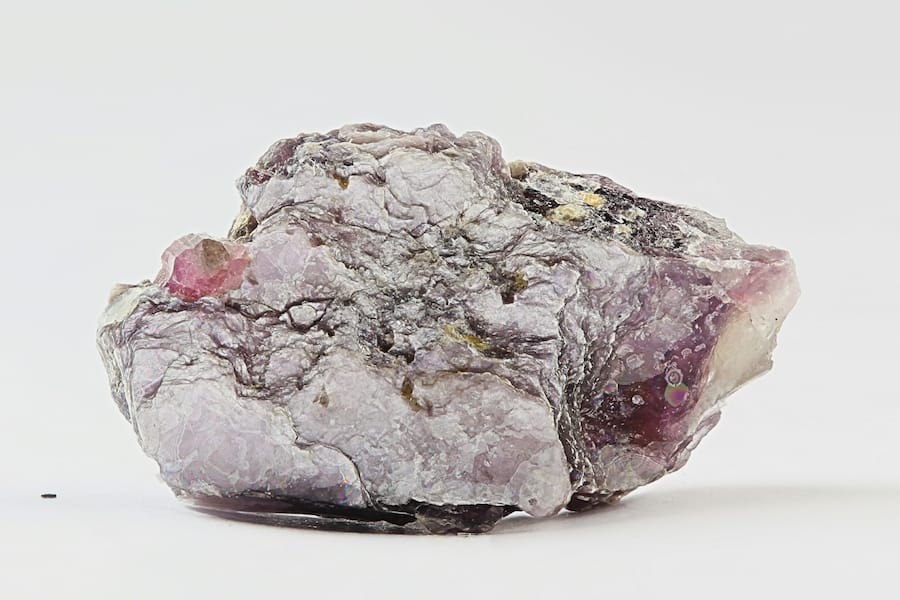
Lithium readily forms salts in the body that are necessary for cellular interaction, including the flow of sodium through muscle and nerve cells in the body.
Plays a potentially important role in depressive disorder.
Japanese and Austrian scientists have observed that in places where the water contains lithium people suffer much less from depression.
Water should not contain more than 7,5mg/l Lithium.
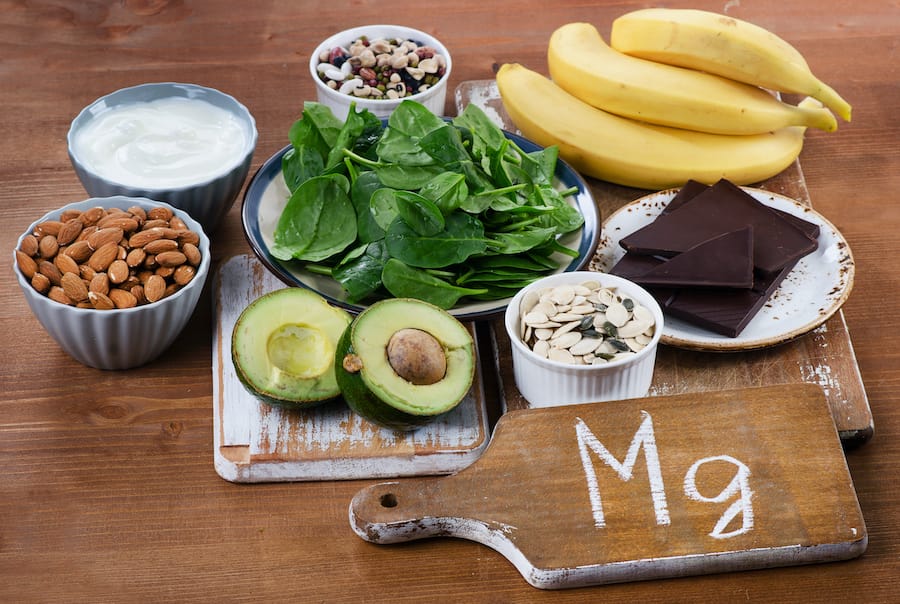
Magnesium

Magnesium has a bitter taste, sometimes it can give a sweet aftertaste.
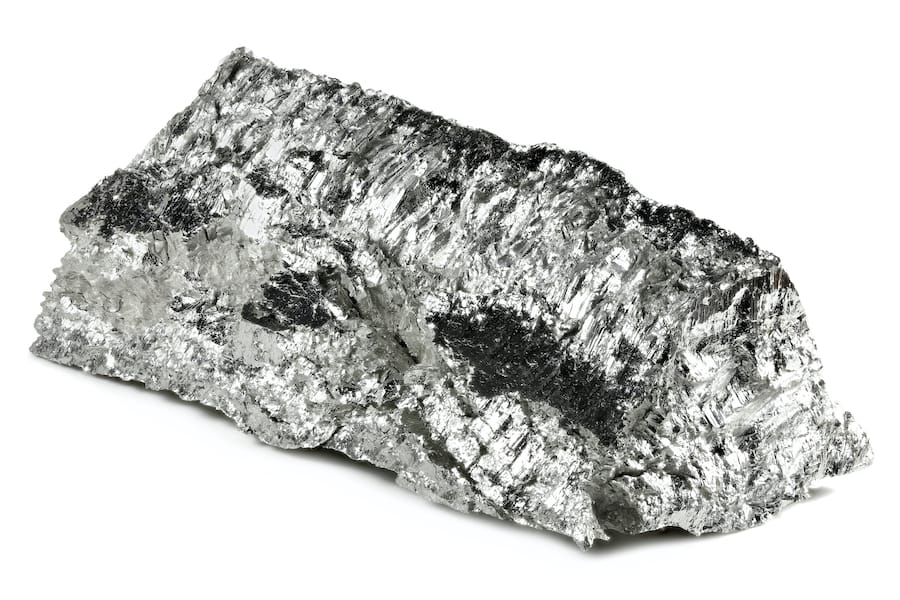
Magnesium is a very important element for the heart.
It is considered to be an antistress mineral and is also vital for the skin.
Magnesium is important for the transport of nerve impulses, which helps the muscles to relax.
Magnesium activates more than 300 enzymes in the body and regulates electrochemical impulses.
Every day you need 350 mg for men, 300 mg for women, 400 mg for young people.
More magnesium is needed for pregnant women, athletes, and people in stressful situations.
Manifestations of magnesium deficiency: leg cramps, migraine, headache, cardiac and circulatory organ failure, may be at increased risk of thrombosis.
Food that contains this element the most.
Sodium

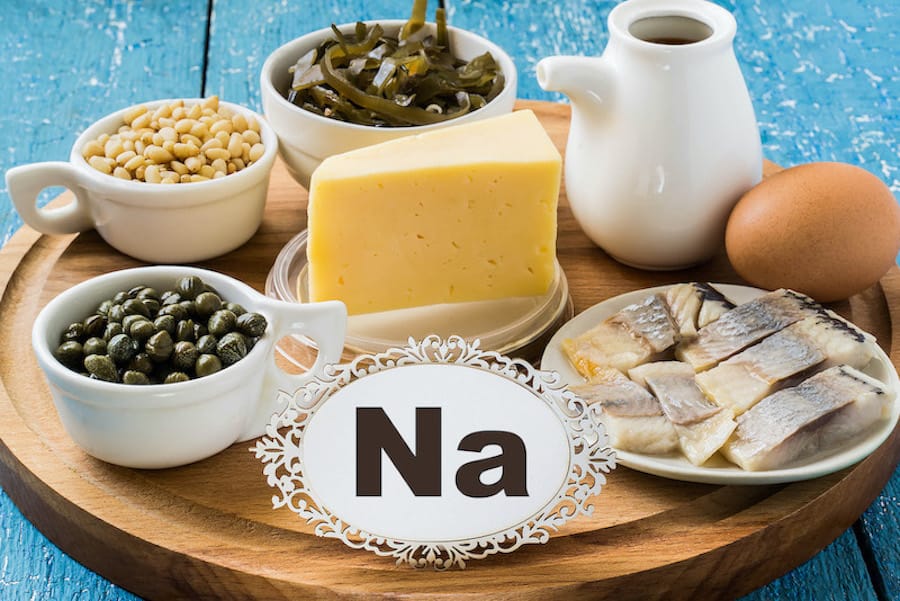
Sodium (Na) has a salty taste.
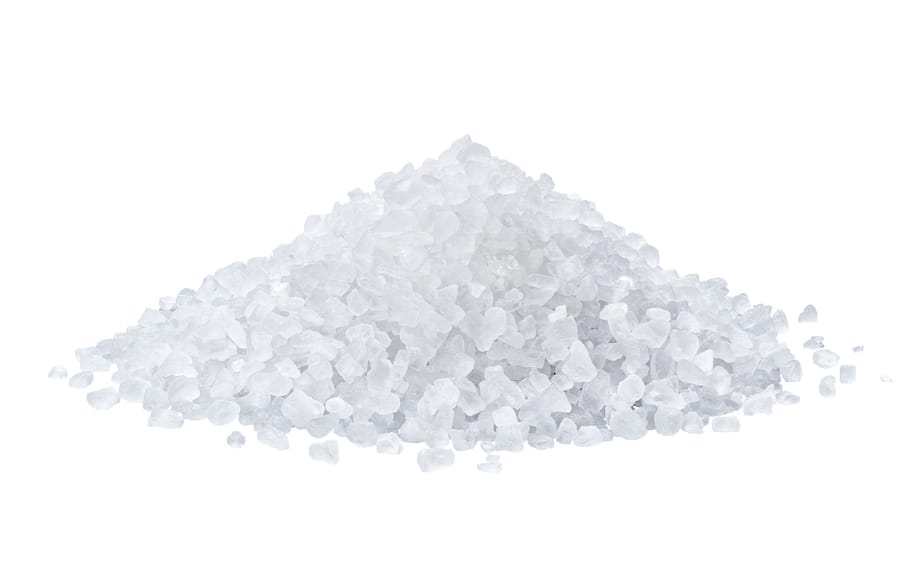
Combined with chloride and potassium sodium regulates fluid balance in the body, it is necessary for nerve and muscle activity, for the activation of enzymes.
Most often sodium is taken with salt-containing products.
Every day you need 3000 mg of sodium and 3000 mg of chloride. Athletes need more sodium.
Sodium deficiency can cause weakness and seizures, even up to the circulatory collapse, especially in sports.
Caution: Sodium is not the same as cooking salt.
If there is a lot of physical activity, the amount of sodium needed per day may increase.
We often hear alerts on sodium overdoses, usually associated with salt in the diet. The cooking salt is a chemical compound - sodium chloride.
Mineral waters typically contain sodium in the form of sodium bicarbonate and only very small amounts such as sodium chloride.
If you are considering a low salt diet, use mineral water with low sodium content.
Food that contains this element the most.
Nitrat

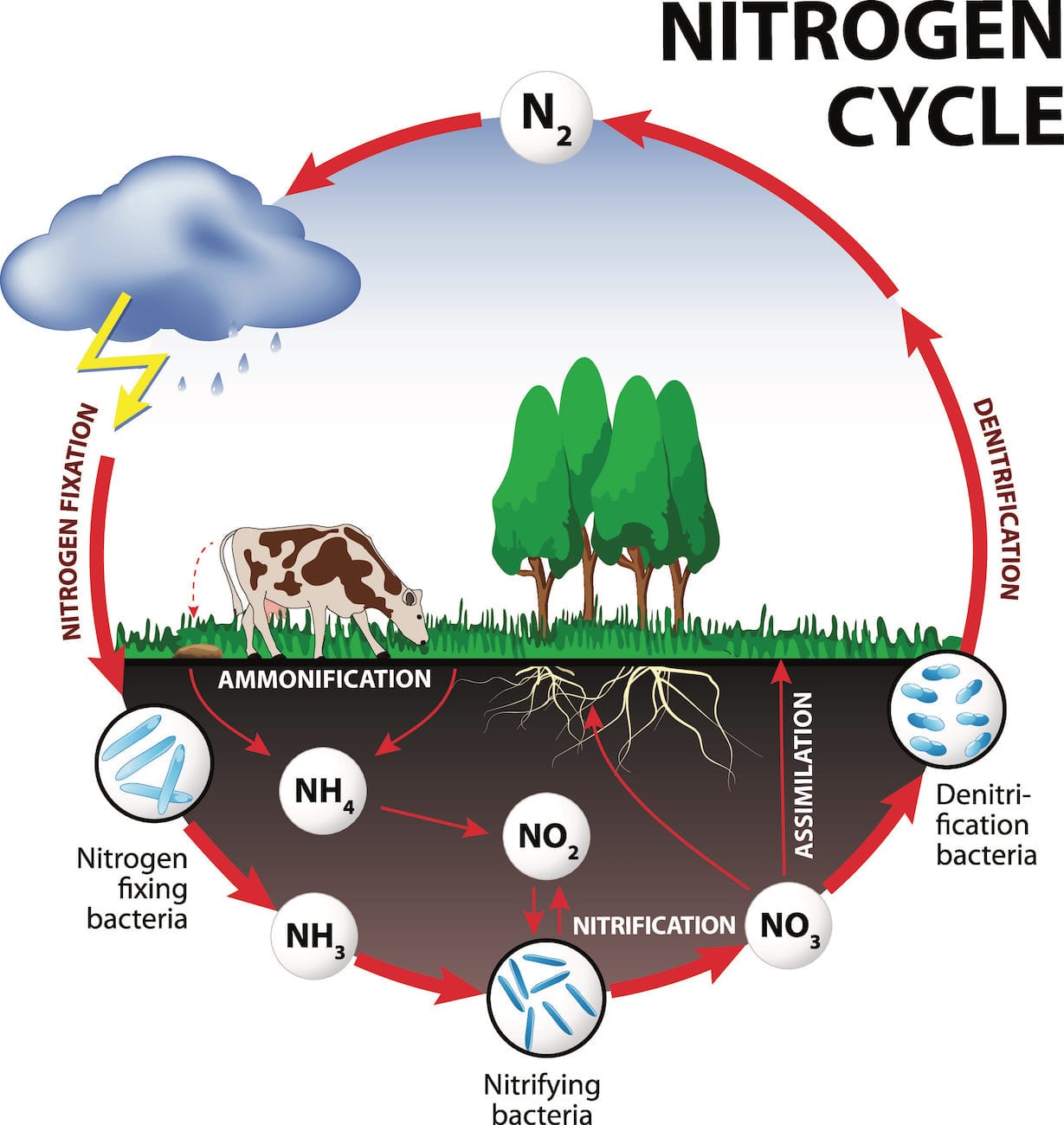
Nitrate (NO3). The presence of nitrates indicates water pollution.
Nitrates in water may also be of natural origin, without chemical pollution of water. Geologists have observed that naturally, nitrate levels can be up to 15mg / l.
A small amount of nitrates is found even in waters where they should not seem to be. For example, in glacial waters, where hundreds of kilometers of economic activity do not occur.
We ingest nitrates with food or drinking water. They are harmless to adults without intestinal problems if the limit values are not exceeded.
Compared to tap water, mineral waters are mostly low in nitrate. Mineral waters are more protected from environmental effects, such as fertilizers and other chemicals, as sources are usually deep underground and are regularly tested.
The nitrate limits are:
- 0-1 mg / l - superior,
- 1-4 mg / l - very good,
- 4-7 mg / l - well,
- 7-10 mg / l - acceptable,
- 10-50 mg / l - within the normal range.
But if NO3 and NO2 pollution is not indicated on the bottle, it does not mean that it is not there.
Total Silicon amount

Silicic Acid (Si/SiO2/H2SiO3), also known as silicon, is a real well-being and beauty mineral, which tastes neutral.
Silicon helps to strengthen nails, hair, and skin, stimulate collagen and elastin synthesis in the body.
Silicon is important for everybody.
Silicon plays an important role in bone formation, which contributes to the absorption of calcium. The strength of tendons and connective tissue also depends on the amount of silicon in the body, it also strengthens the immune system.
The deficiency of silicon can cause bone flesh (osteoporosis), brittle nails and hair, pallor, wrinkle skin, etc..
Silicon in nature is not present in pure form, it is always in combination with oxygen - like silicic acid.
Food that contains this element the most.
Strontium
Zinc

Zinc (Zn) is an essential component of more than 10 important enzymatic functions of the body.

Without zinc, the body will quickly lose overall function and results in a number of health concerns, including the inability to heal wounds, store insulin, fight off disease, develop proper growth patterns, as well as defend against a variety of skin infections.
This mineral helps in treating eczema, acne, night blindness, and prostate disorders, relieving cold, and managing weight. Zinc also ensures a healthy pregnancy and reproduction.
Food that contains this element the most.
