
Knjaz Miloš (Cink i Selen)
mg/l
Mineralization
Info Performance
pH

-
mg/l
Hardness Ca+Mg
ms/m
Electrical conductvity
pH
pH (Power of hydrogen) is the number that represents the ratio of H+ (hydrogen) - ions to OH- (oxygen and hydrogen) - ions.

pH stands for numbers 1 to 14. pH below 7 means that the environment is acidic, and above 7 - is alkaline. 7 means that the environment is neutral and the ratio between H + and OH- is equal.
What is the difference between water pH 7, pH 8, and pH 9?
Each subsequent pH-number means that the environment is 10 times more alkaline (more oxygen and hydrogen OH-). If the pH value is greater than 7, then the environment is alkaline (more secured with OH-).
For example pH 8 = 10-times more alkaline than pH 7 and pH 9 = 10-times more alkaline than pH 8.
Conclusion: water with pH 9 is exactly 100-times more alkaline than water with pH 7, and pH 10 is 1000-times more alkaline than pH 7.
The same scheme also applies to the acid environment: pH 4 (more H+ ions) indicates 1000-times more acidic than pH 7, and the environment with pH 3 is 10.000-times more acidic than pH 7.
Carbonation
Carbonated water is also known as sparkling water. The origin of carbon dioxide may be different.
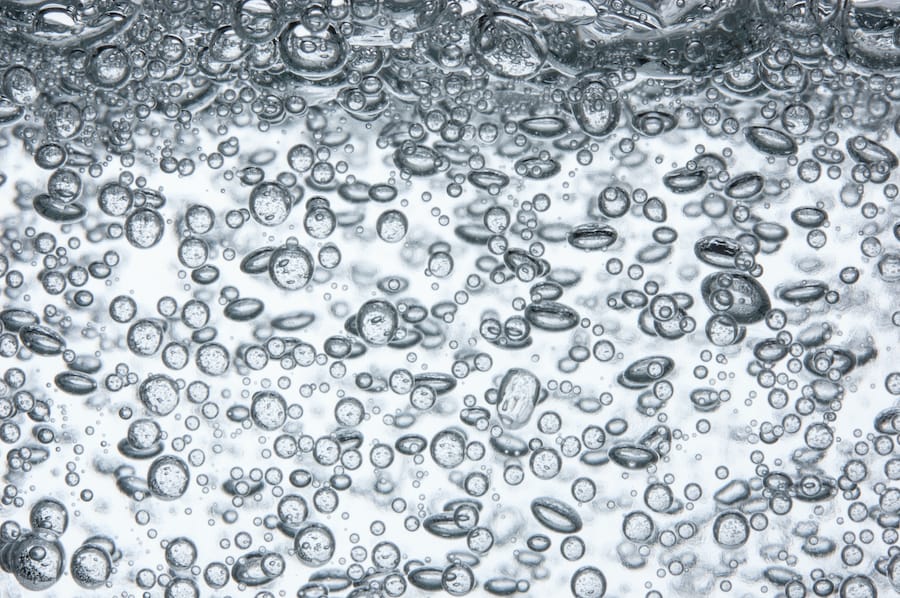
1)Natural- Already from the very birth, the water contains natural carbon dioxide CO2.
2)Natural CO2 is collected from the water birthplace and later added to the bottled water.
3)Artificial carbonation. (in 98% cases)
The Carbonation amount in the water- can be very lightly carbonated, medium, or very tangy.

Virtual Water Sommelier
Your guide, who unveils the secrets behind every drop.
Ask JEAN for his expert opinion on any Water!
Download the PickAqua app and quench your thirst for knowledge!
Let him guide you on a refreshing journey of Water functionality, taste, origin, and more.
Talk to JEAN.
Download PickAqua:


Daily mineral norm
Water mineral content ratio to total recommended daily mineral intake (%)
Mineral composition
TDS
12 mg/lSelenium

Selenium (Se) might be a rare mineral, but its function is significant. It is one of the most powerful mineral antioxidants, and it actually prevents the formation of new free radicals by participating in various cellular reactions, which lowers the peroxide concentration in the cellular body.

Reducing free radical formation is only one of the selenium’s functions. It is also essential for bone growth, along with calcium, copper, and zinc.
The adult's body contains up to 20 mg of selenium. It is mainly in the liver, kidney, and spleen. It's like an antioxidant that helps the body fight against free radicals, reduces inflammation and prevents cell aging.
Food that contains this element the most.

Zinc

Zinc (Zn) is an essential component of more than 10 important enzymatic functions of the body.

Without zinc, the body will quickly lose overall function and results in a number of health concerns, including the inability to heal wounds, store insulin, fight off disease, develop proper growth patterns, as well as defend against a variety of skin infections.
This mineral helps in treating eczema, acne, night blindness, and prostate disorders, relieving cold, and managing weight. Zinc also ensures a healthy pregnancy and reproduction.
Food that contains this element the most.
