
Acqua MAXIM'S
mg/l
Mineralization
Info Performance
pH

-
mg/l
Hardness Ca+Mg
ms/m
Electrical conductvity
pH
pH (Power of hydrogen) is the number that represents the ratio of H+ (hydrogen) - ions to OH- (oxygen and hydrogen) - ions.

pH stands for numbers 1 to 14. pH below 7 means that the environment is acidic, and above 7 - is alkaline. 7 means that the environment is neutral and the ratio between H + and OH- is equal.
What is the difference between water pH 7, pH 8, and pH 9?
Each subsequent pH-number means that the environment is 10 times more alkaline (more oxygen and hydrogen OH-). If the pH value is greater than 7, then the environment is alkaline (more secured with OH-).
For example pH 8 = 10-times more alkaline than pH 7 and pH 9 = 10-times more alkaline than pH 8.
Conclusion: water with pH 9 is exactly 100-times more alkaline than water with pH 7, and pH 10 is 1000-times more alkaline than pH 7.
The same scheme also applies to the acid environment: pH 4 (more H+ ions) indicates 1000-times more acidic than pH 7, and the environment with pH 3 is 10.000-times more acidic than pH 7.
Carbonation
Carbonated water is also known as sparkling water. The origin of carbon dioxide may be different.
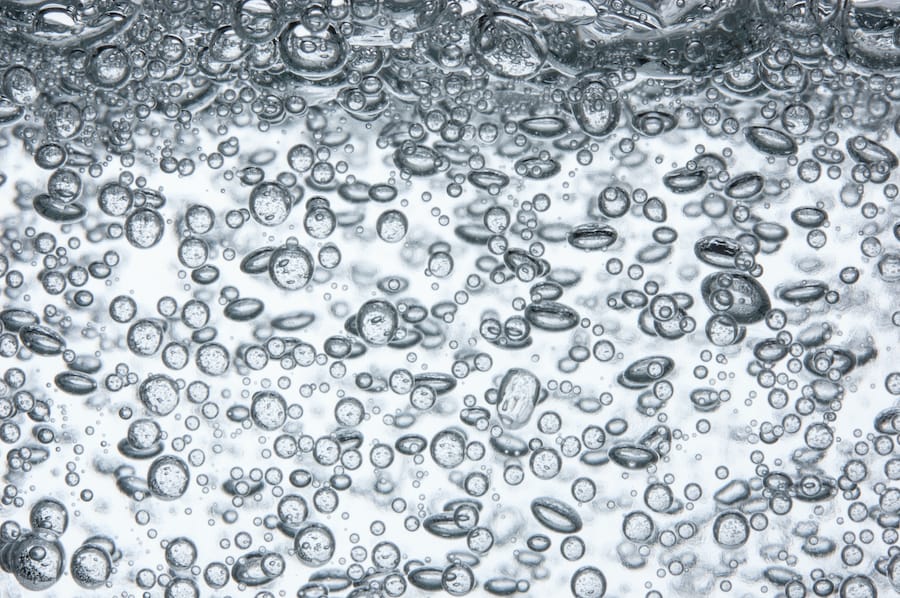
1)Natural- Already from the very birth, the water contains natural carbon dioxide CO2.
2)Natural CO2 is collected from the water birthplace and later added to the bottled water.
3)Artificial carbonation. (in 98% cases)
The Carbonation amount in the water- can be very lightly carbonated, medium, or very tangy.

Virtual Water Sommelier
Your guide, who unveils the secrets behind every drop.
Ask JEAN for his expert opinion on any Water!
Download the PickAqua app and quench your thirst for knowledge!
Let him guide you on a refreshing journey of Water functionality, taste, origin, and more.
Talk to JEAN.
Download PickAqua:


Daily mineral norm
Water mineral content ratio to total recommended daily mineral intake (%)
Mineral composition
TDS
75 mg/lpH
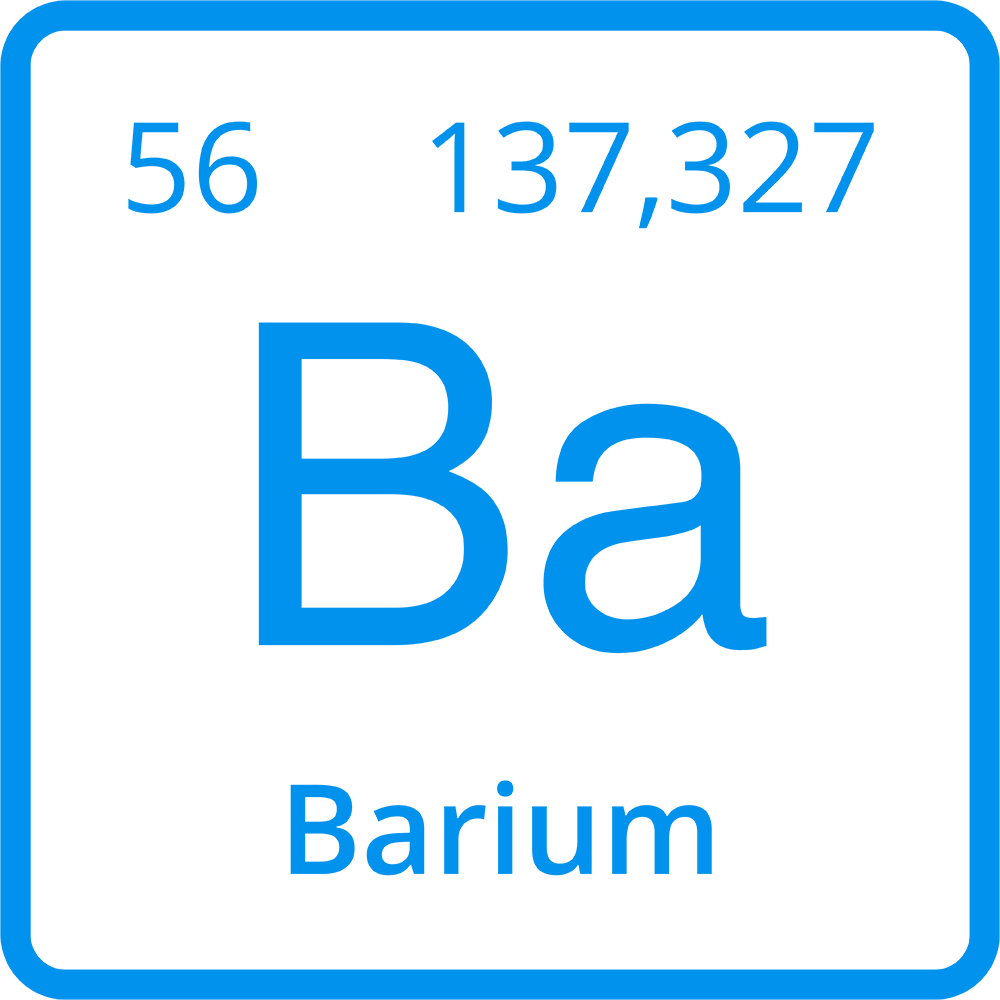
Barium
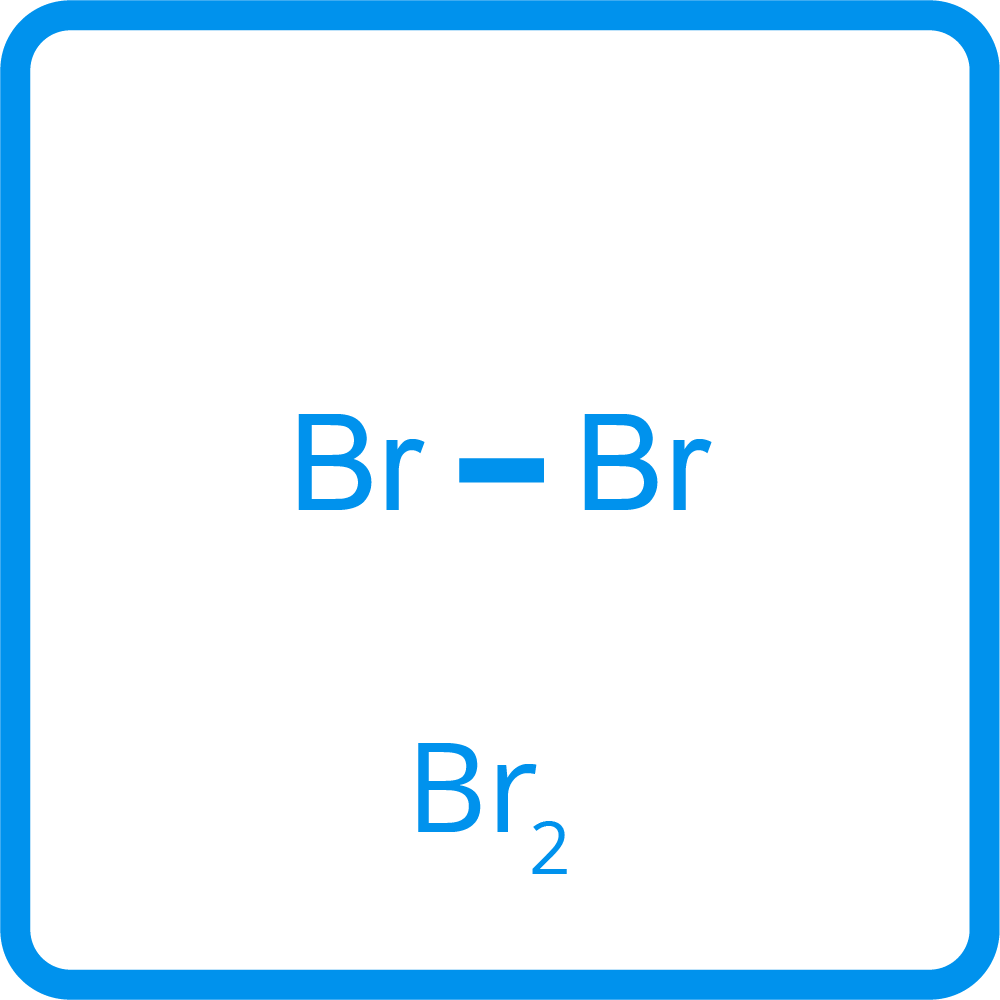
Bromine
Calcium

Calcium (Ca) can leave a dry aftertaste.
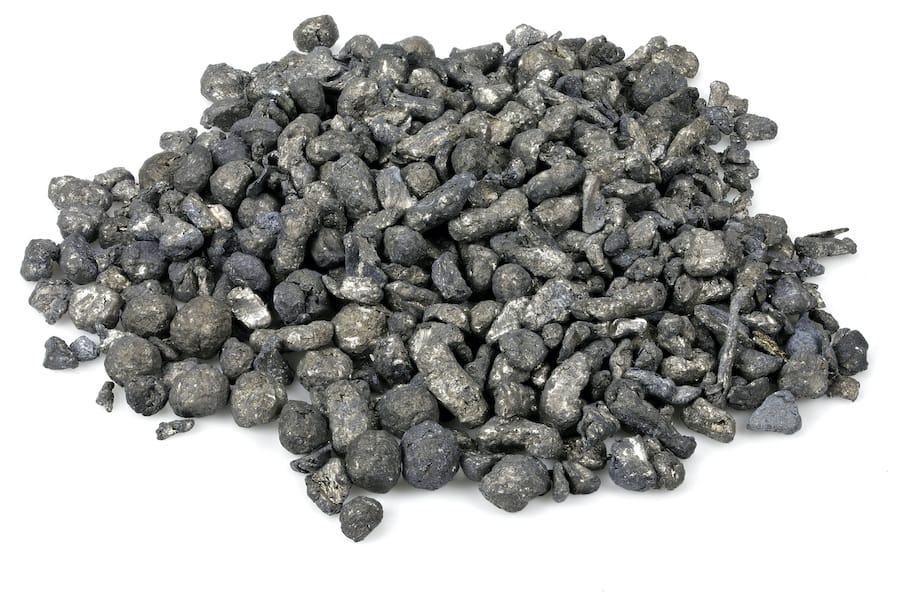
Calcium strengthens bones, teeth and is responsible for nerve impulse action.
If you eat dairy products on a daily basis, that's enough. The other good alternative may be calcium-containing water.
Calcium plays an important role in the formation and maintenance of bones and teeth.
Calcium in the nerves and muscle cells is responsible for impulse and hormonal signal transmission. It also regulates the activity of different enzymes, it has anti-inflammatory and anti-allergic properties.
Every day you need about 1000 mg.
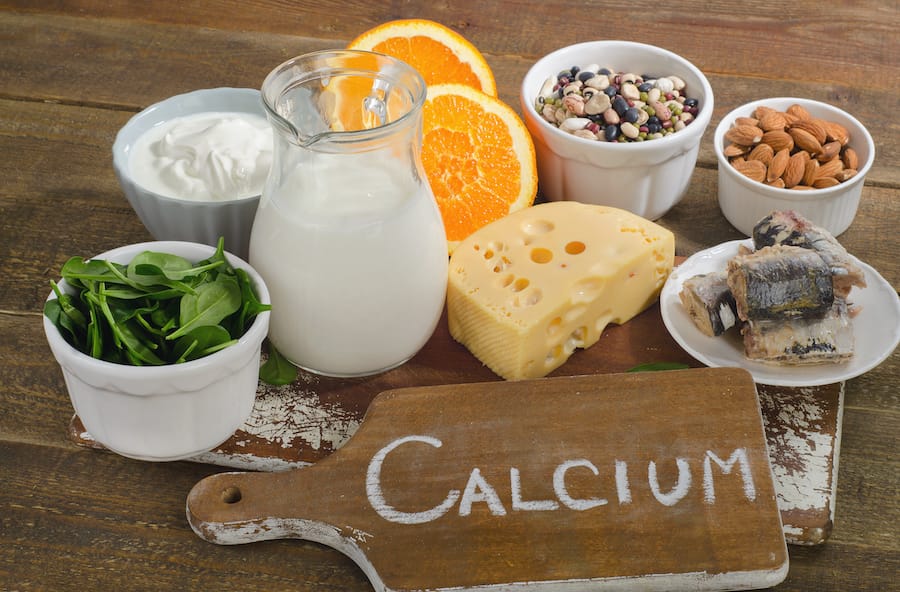
Young people and seniors should receive more calcium. Especially a lot of calcium is in milk and cheese. If you do not eat dairy products every day, calcium-containing mineral water is a great alternative.
If calcium is lacking, the body is taking it from the skeletal bone, which can cause osteoporosis or "bone loss" in the long run. Especially it may affect older people, mainly women. Calcium deficiency can also cause headaches, muscle spasms, and irritability.
Food that contains this element the most.
Chloride

Chloride (Cl) tastes salty and a bit bitter.
Chloride, along with other minerals, affects the osmotic pressure in the cells and the balance of the body's acid-alkaline balance.
Combined with hydrogen, it forms the hydrochloric acid in the stomach and thus promotes digestion.
If the body lacks chloride, symptoms include stomach acid disorder, diarrhea. Chloride as an ingredient in gastric juice ensures the balance of acids and alkalis.
Chloride deficiency can be manifested in muscle spasms or heart dysfunction.
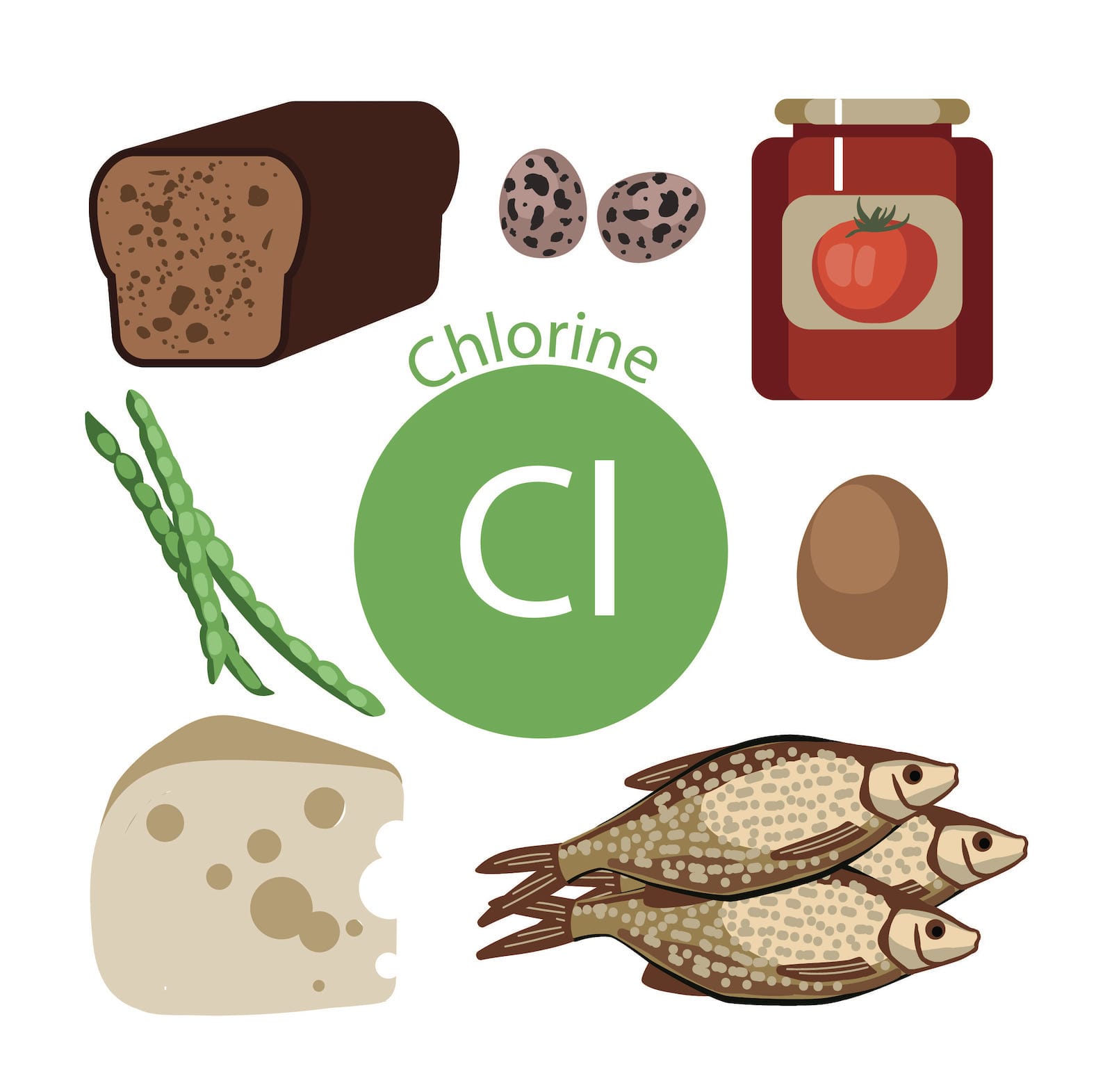
Food that contains this element the most.
Carbon dioxide
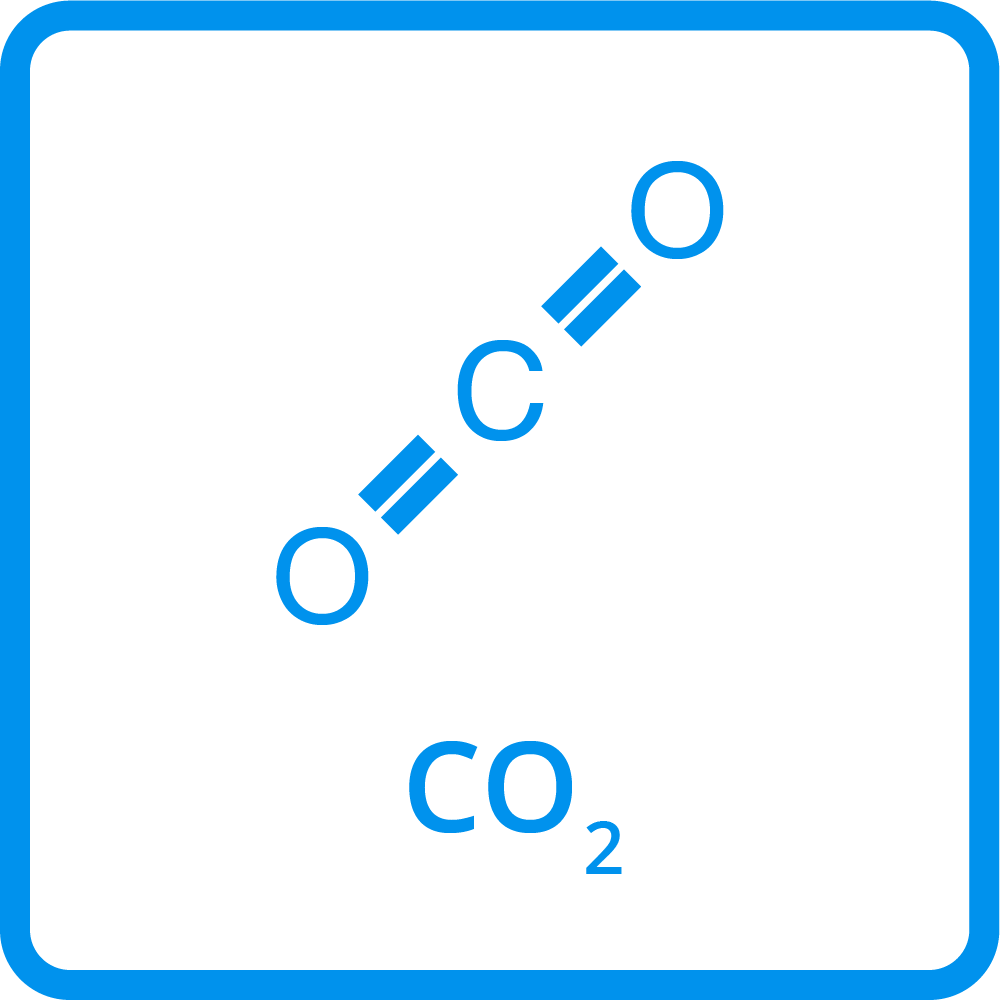
Original Aqueous carbon dioxide, CO2, reacts with water forming carbonic acid, H2CO3. Carbonic acid may lose protons to form bicarbonate, HCO3-, and carbonate, CO3. In this case, the proton is liberated to the water, decreasing pH. Therefore, carbonated waters will always have a pH below 7.
The complex chemical equilibria are described using two acid equilibrium equations.
Copper

Copper (Cu). This common mineral improves brain function, soothes arthritis, helps in skin care, eliminates throat infections, corrects hemoglobin deficiency, prevents heart diseases, and boosts immunity.

It is commonly associated with the uptake of iron and the facilitation of a properly functioning circulatory system.
Food that contains this element the most.

Fluoride

Fluoride (F) has a sweet and soapy taste and it plays a very important role in bone and tooth structure.
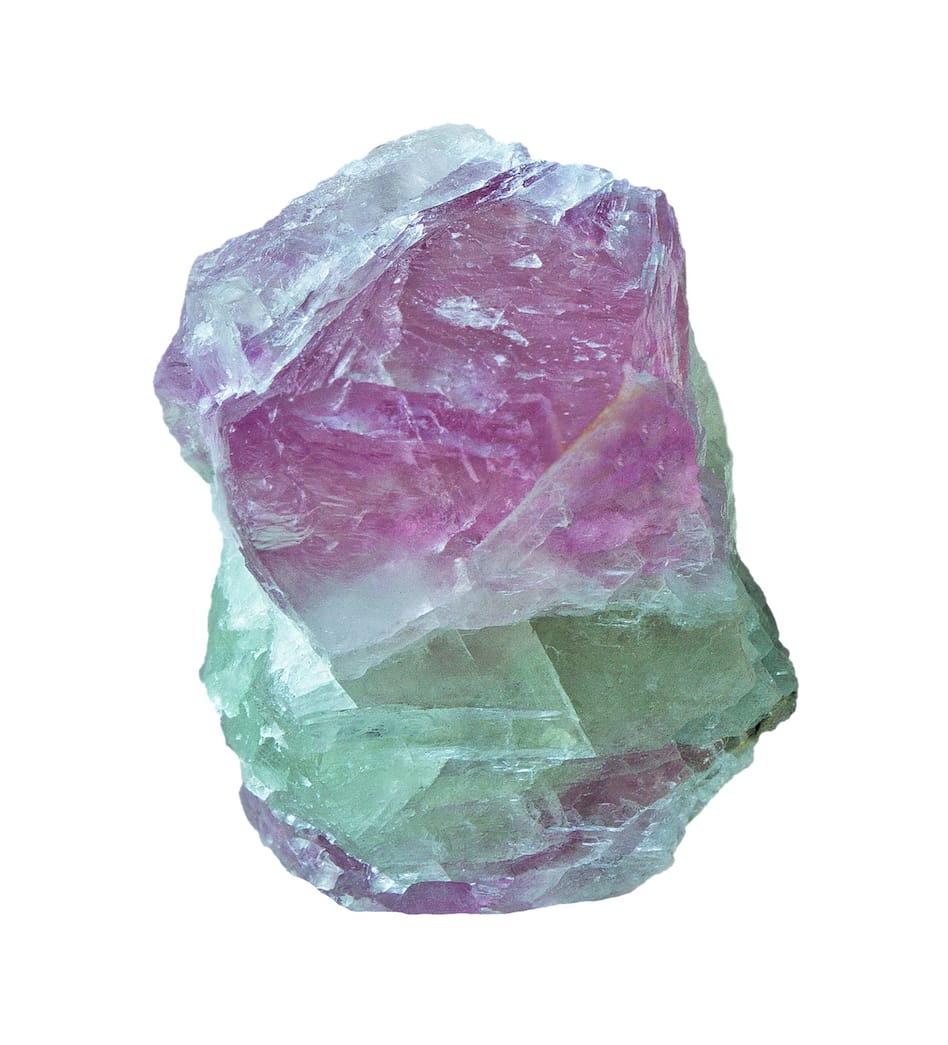
Fluoride naturally occurring in water can be above, at, or below recommended levels.
Fluoride remains in the teeth and can inhibit dental caries. It also increases bone density.
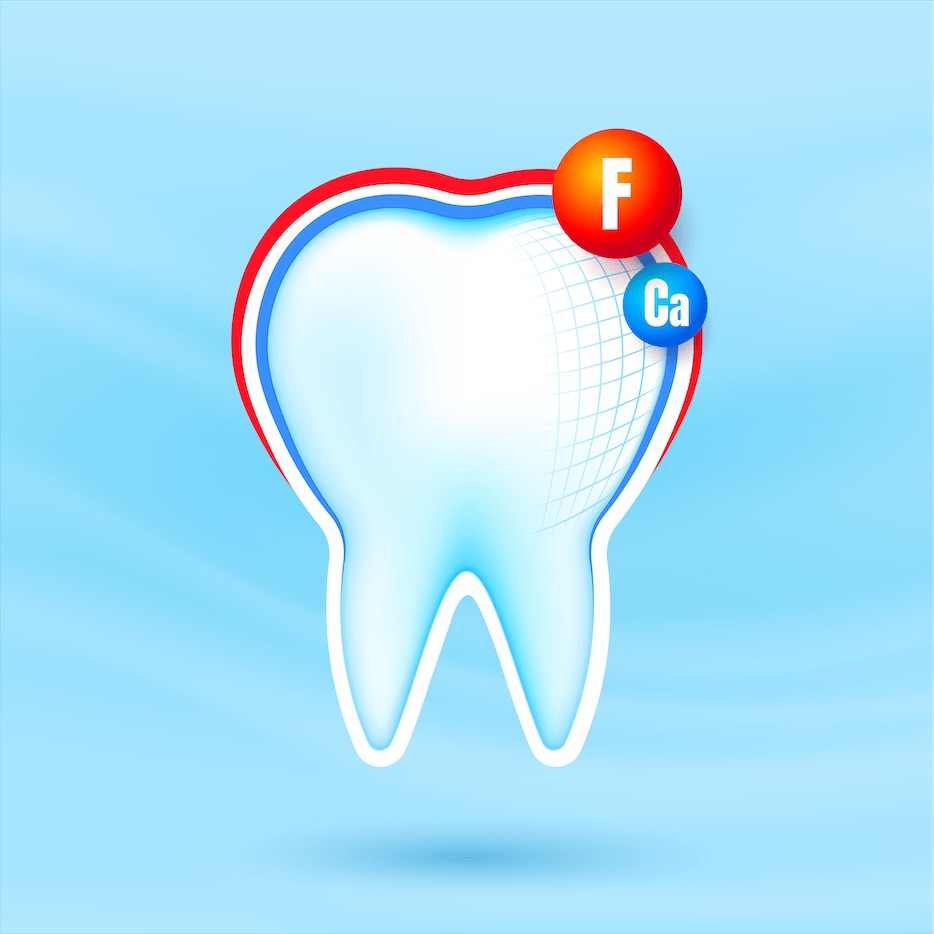
The result of fluoride deficiency may be brittle bones and bad teeth.
Caution: too much unhealthy. Children and adolescents need fluoride for growing teeth, but they should not be consumed too much. Therefore, the legislator has laid down an appropriate reference to the labeling of mineral waters with a fluoride content of more than 1.5 mg/l. For children under 7 years of age, it is not recommended to drink such water every day for prolonged periods.
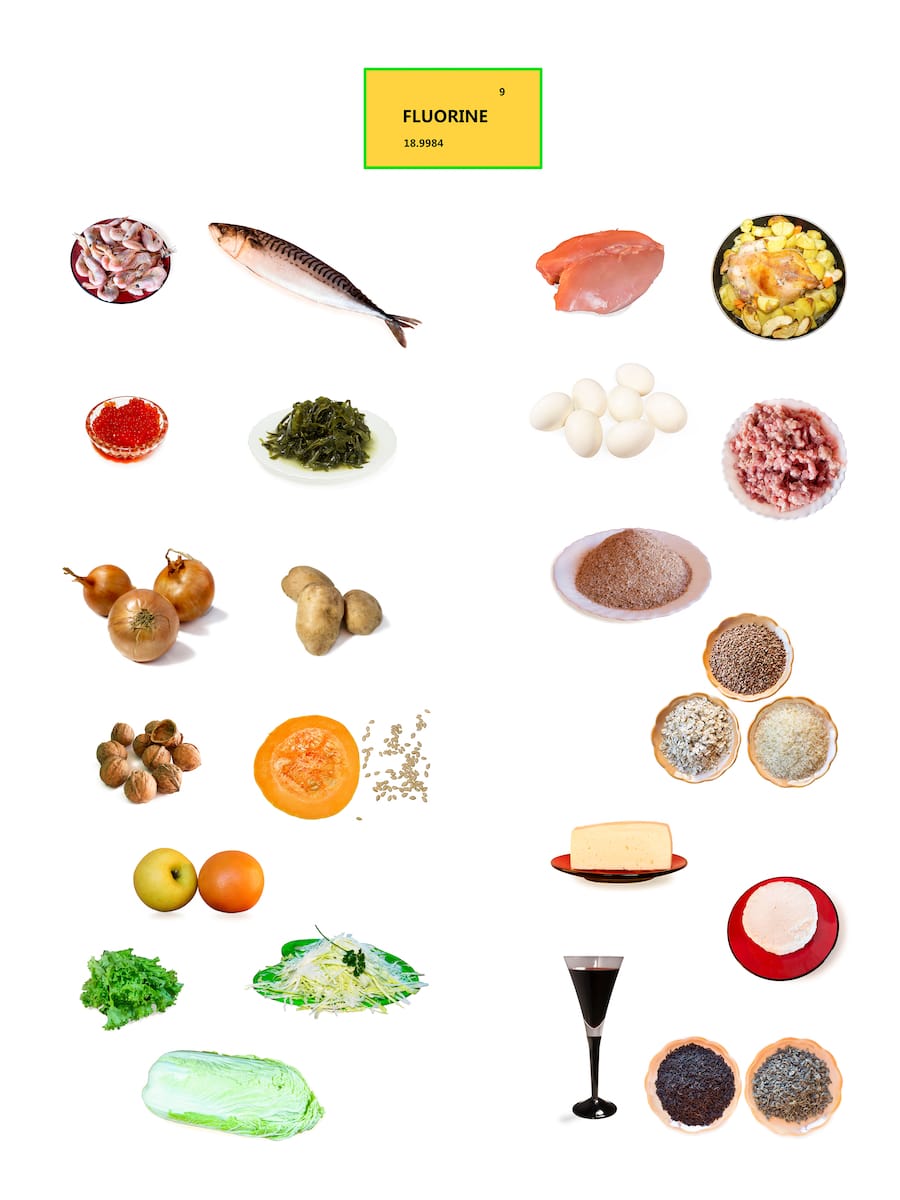
Fluoride tends to be concentrated also in tea, coffee, shellfish, spinach, grapes, raisins, carrots, wine, cucumber, dill herb, tomatoes, asparagus, beans, peas, white rice, and potatoes.
It is important to understand that natural fluoride and synthetic industrial fluoride is quite a different substance.
Food that contains this element the most.
Iron

Iron’s (Fe) primary role in the body is with regard to the formation of hemoglobin, which guarantees circulation of the blood and oxygenation to various organ systems.

Without iron, anemia sets in, this is manifested in muscle weakness, fatigue, gastrointestinal disorders, and cognitive malfunction.
Apart from that, it is a key element for ensuring proper body metabolism, muscle activity, brain function, and the regulation of body temperature.
Further, it also aids in boosting immunity and giving relief from insomnia and restless leg syndrome.
Food that contains this element the most.

Sulfate

Sulfate (SO4/H2SO4) has a slightly salty and bitter taste.
Sulfate plays an important role in the fat metabolism and liver detoxification process.
It helps to improve digestion, stimulates intestinal and biliary function. High sulfate mineral waters can stimulate digestion. It acts as a lightweight laxative but does not addict.
Those who regularly use sulfate-containing mineral water naturally stimulate intestinal activity and prevent the onset of constipation.
When used with magnesium and calcium, the effect of sulfate can be increased.
Boranate
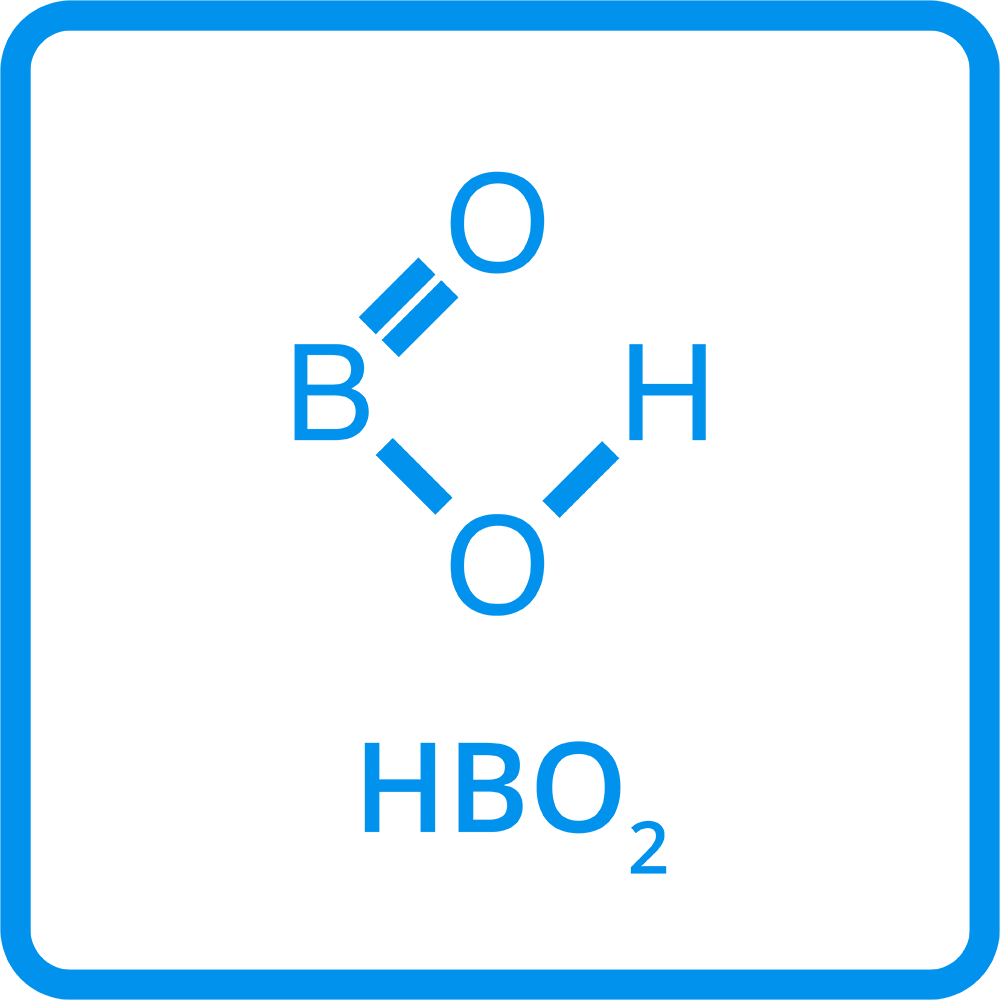
Borate. Boron hydrides (also boranes, boron hydrides) are chemical compounds of boron with hydrogen.
Iodine
This is a secondary form of iodine but is very important in terms of body functions.
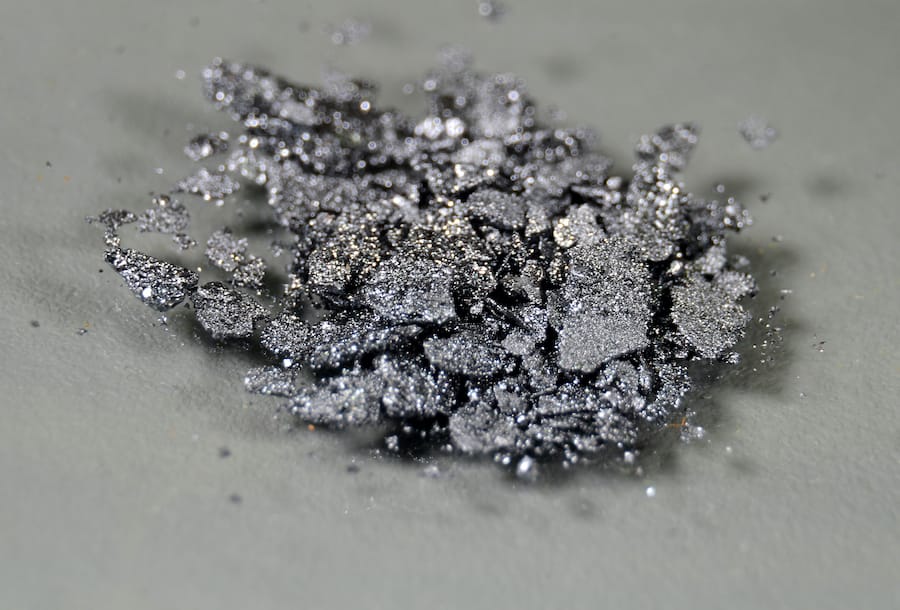
It is involved in overall thyroid function, and its deficiency can cause goiter.
Iodine is vital for producing thyroxine (T4), without which, the body can experience a fall in metabolic rate and an increase in cholesterol levels.
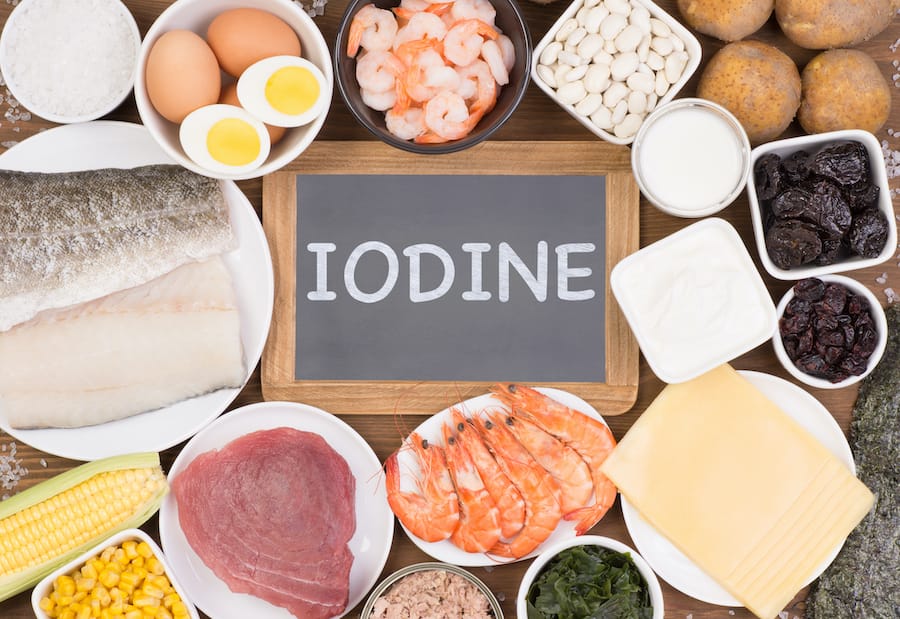
Food that contains this element the most.
Lithium

Lithium (Li) is a naturally occurring trace element found in seaweed, dairy, eggs, potatoes and fruit, and vegetables grown in lithium-rich soil.
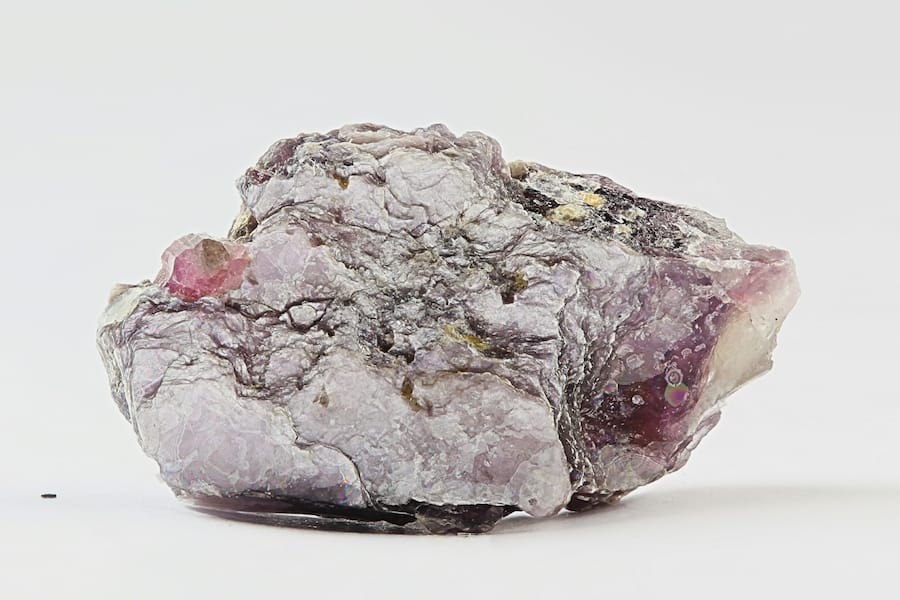
Lithium readily forms salts in the body that are necessary for cellular interaction, including the flow of sodium through muscle and nerve cells in the body.
Plays a potentially important role in depressive disorder.
Japanese and Austrian scientists have observed that in places where the water contains lithium people suffer much less from depression.
Water should not contain more than 7,5mg/l Lithium.
Magnesium

Magnesium has a bitter taste, sometimes it can give a sweet aftertaste.
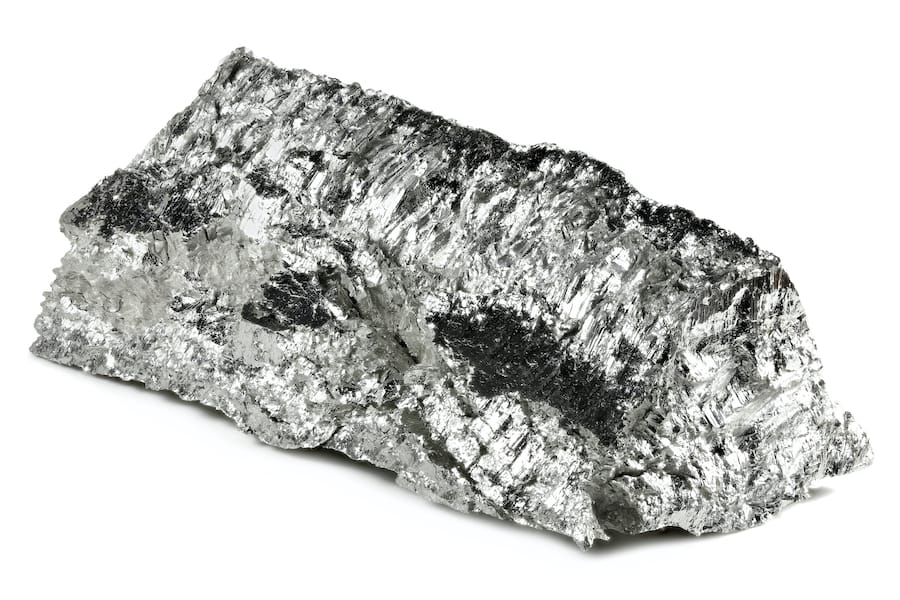
Magnesium is a very important element for the heart.
It is considered to be an antistress mineral and is also vital for the skin.
Magnesium is important for the transport of nerve impulses, which helps the muscles to relax.
Magnesium activates more than 300 enzymes in the body and regulates electrochemical impulses.
Every day you need 350 mg for men, 300 mg for women, 400 mg for young people.
More magnesium is needed for pregnant women, athletes, and people in stressful situations.
Manifestations of magnesium deficiency: leg cramps, migraine, headache, cardiac and circulatory organ failure, may be at increased risk of thrombosis.
Food that contains this element the most.

Manganese

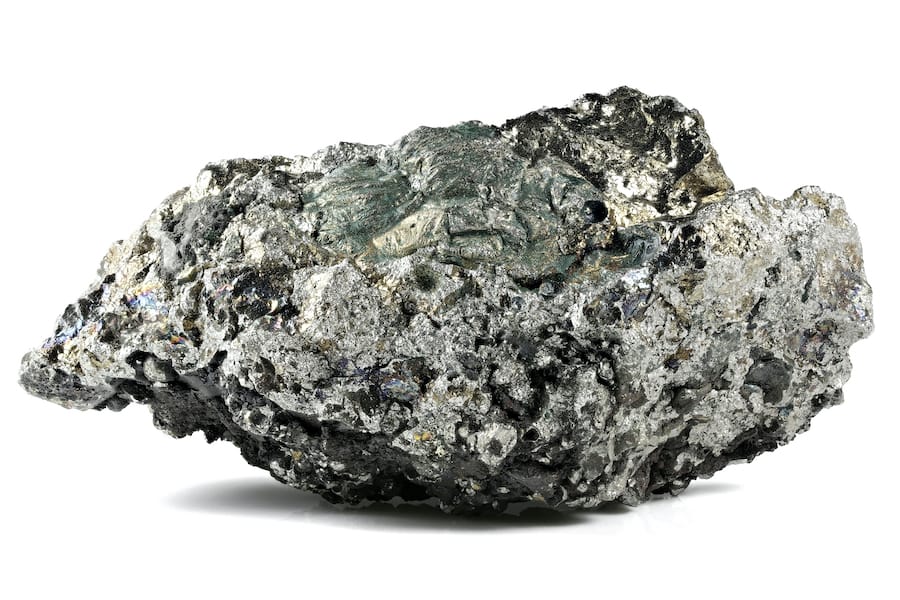
Manganese (Mn) plays an important role in the management of body metabolism, osteoporosis, reducing fatigue, reproduction, sprains, inflammation, brain function, and epilepsy.
Sodium

Sodium (Na) has a salty taste.
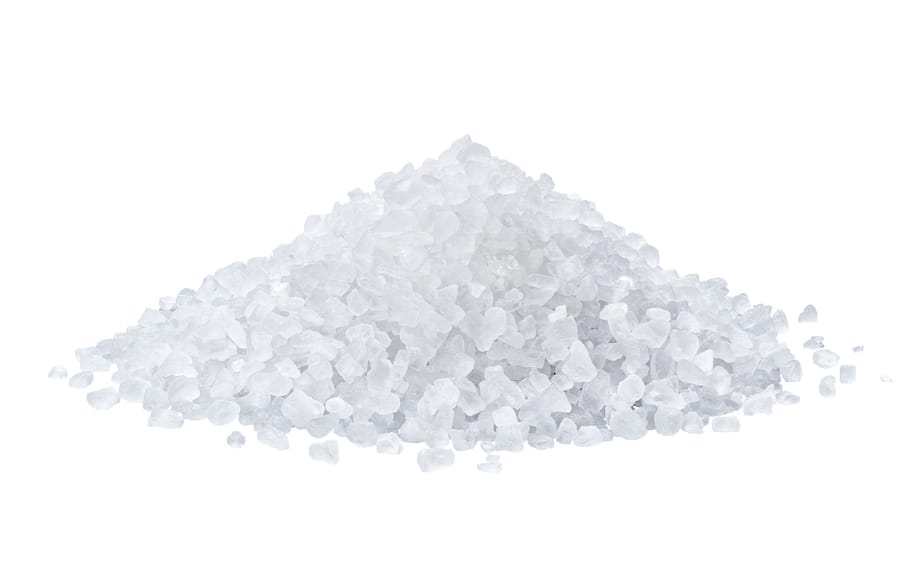
Combined with chloride and potassium sodium regulates fluid balance in the body, it is necessary for nerve and muscle activity, for the activation of enzymes.
Most often sodium is taken with salt-containing products.
Every day you need 3000 mg of sodium and 3000 mg of chloride. Athletes need more sodium.
Sodium deficiency can cause weakness and seizures, even up to the circulatory collapse, especially in sports.
Caution: Sodium is not the same as cooking salt.
If there is a lot of physical activity, the amount of sodium needed per day may increase.
We often hear alerts on sodium overdoses, usually associated with salt in the diet. The cooking salt is a chemical compound - sodium chloride.
Mineral waters typically contain sodium in the form of sodium bicarbonate and only very small amounts such as sodium chloride.
If you are considering a low salt diet, use mineral water with low sodium content.
Food that contains this element the most.
Sodium & Potassium
Amonium

Ammonia is not of direct importance for health in the concentrations to be expected in drinking water.
Generally, the concentration of ammonium ions in drinking water is significantly lower than those that could have a toxic effect on the human body.
Studies show toxic effects at ammonium levels above 200 mg/kg body weight. Natural levels in groundwaters are usually below 0.2 mg of ammonia per liter. Higher natural contents (up to 3 mg/l) are found in strata rich in humic substances or iron or in forests. Surface waters may contain up to 12 mg/l.
Ammonium is a natural component of many foods. Minor amounts of ammonium compounds (<0.001–3.2%) are also added to foods as acid regulators, stabilizers, flavoring substances, and fermentation aids.
The estimated daily ammonia intake through food is 18 mg, by inhalation less than 1 mg.
Source:http://www.who.int/water_sanitation_health/dwq/ammonia.pdf
Nitrit

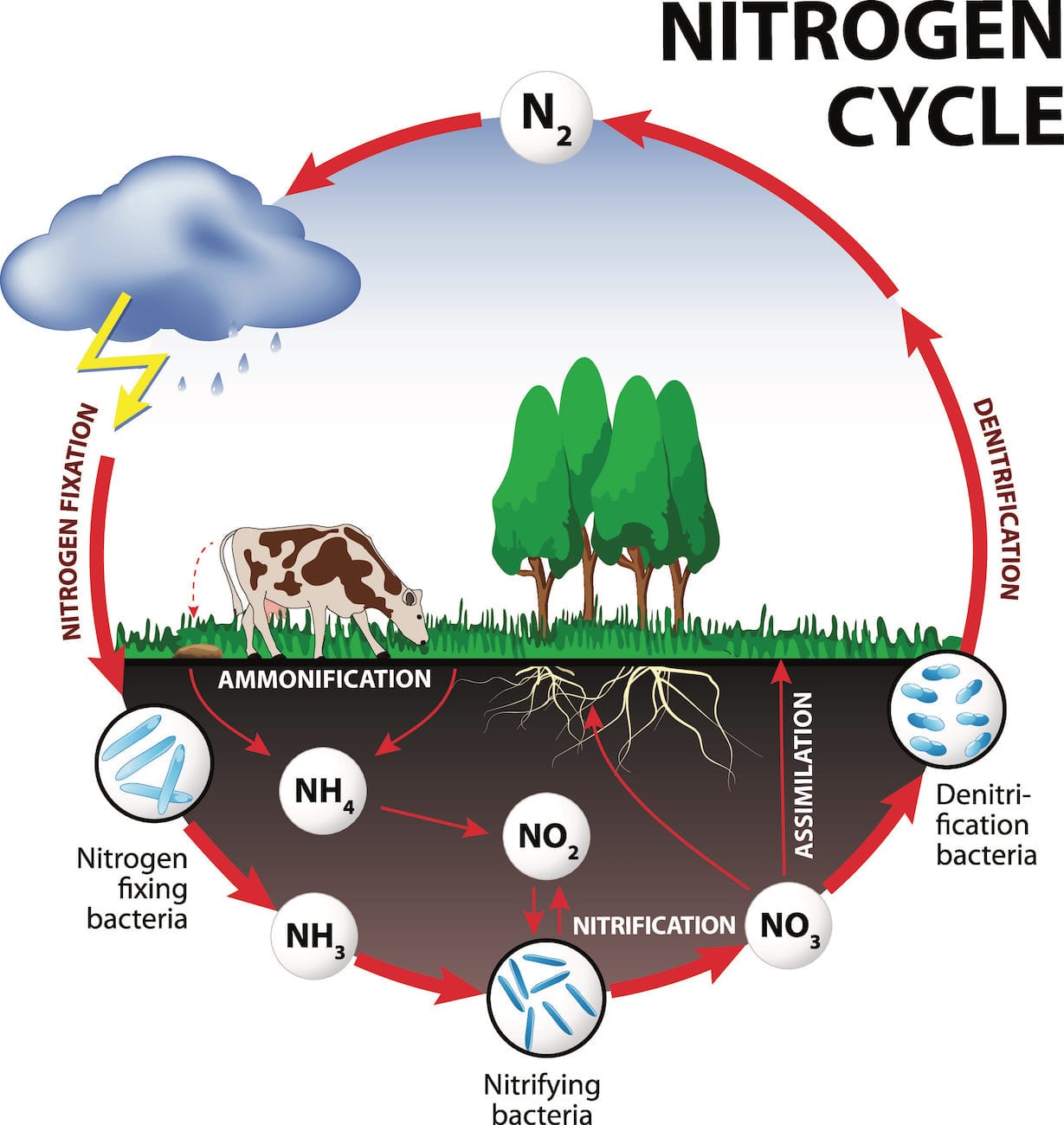
Nitrite (NO2). Nitrites enter the human body in two ways: by direct content or by nitrates, which in the digestive tract (mainly in the oral cavity, also the stomach or intestine), are converted into nitrites by the action of the enzyme nitrate reductase.
The presence of nitrites indicates the contamination of water.
In the European Union, the permissible daily dose of nitrites is 0.1 mg/kg of mass (in terms of sodium nitrite)
Nitrat

Nitrate (NO3). The presence of nitrates indicates water pollution.
Nitrates in water may also be of natural origin, without chemical pollution of water. Geologists have observed that naturally, nitrate levels can be up to 15mg / l.
A small amount of nitrates is found even in waters where they should not seem to be. For example, in glacial waters, where hundreds of kilometers of economic activity do not occur.
We ingest nitrates with food or drinking water. They are harmless to adults without intestinal problems if the limit values are not exceeded.
Compared to tap water, mineral waters are mostly low in nitrate. Mineral waters are more protected from environmental effects, such as fertilizers and other chemicals, as sources are usually deep underground and are regularly tested.
The nitrate limits are:
- 0-1 mg / l - superior,
- 1-4 mg / l - very good,
- 4-7 mg / l - well,
- 7-10 mg / l - acceptable,
- 10-50 mg / l - within the normal range.
But if NO3 and NO2 pollution is not indicated on the bottle, it does not mean that it is not there.
Oxygen
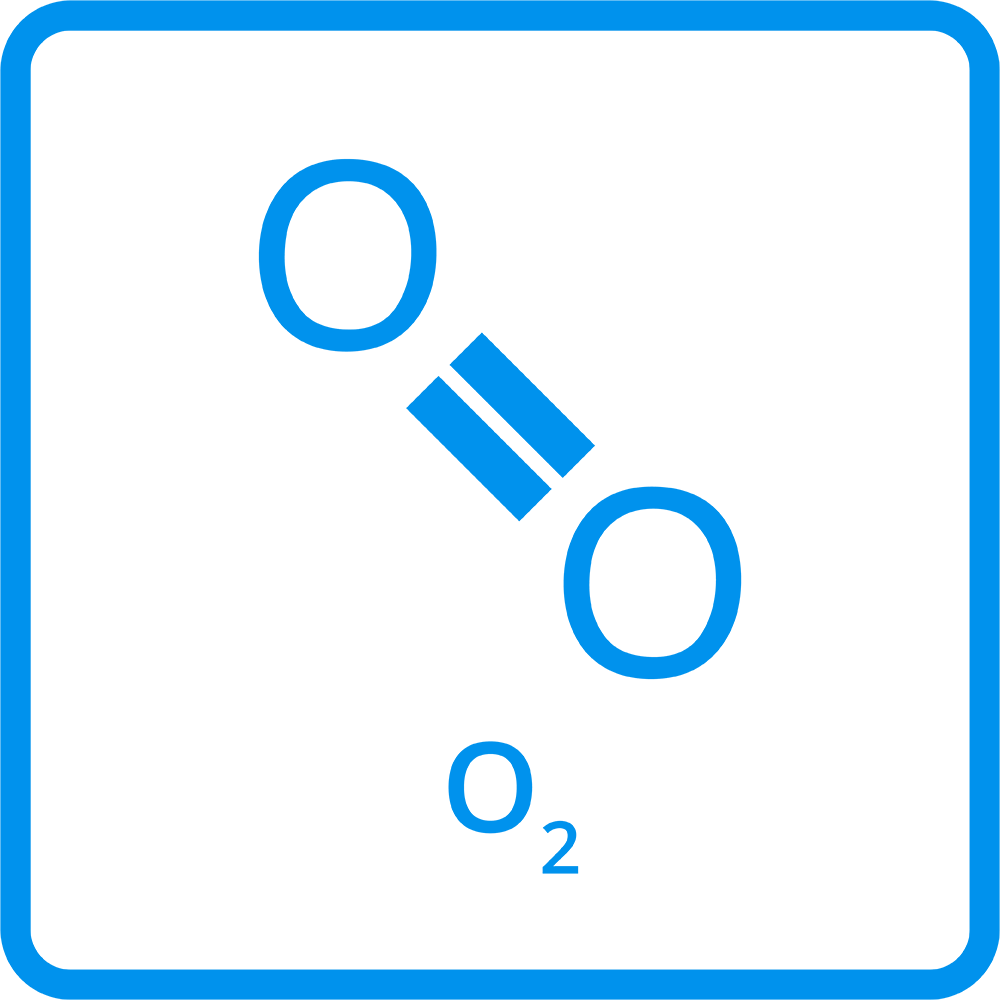
Oxygen. Under normal conditions, oxygen forms a simple substance with diatom molecules with the chemical formula O2.
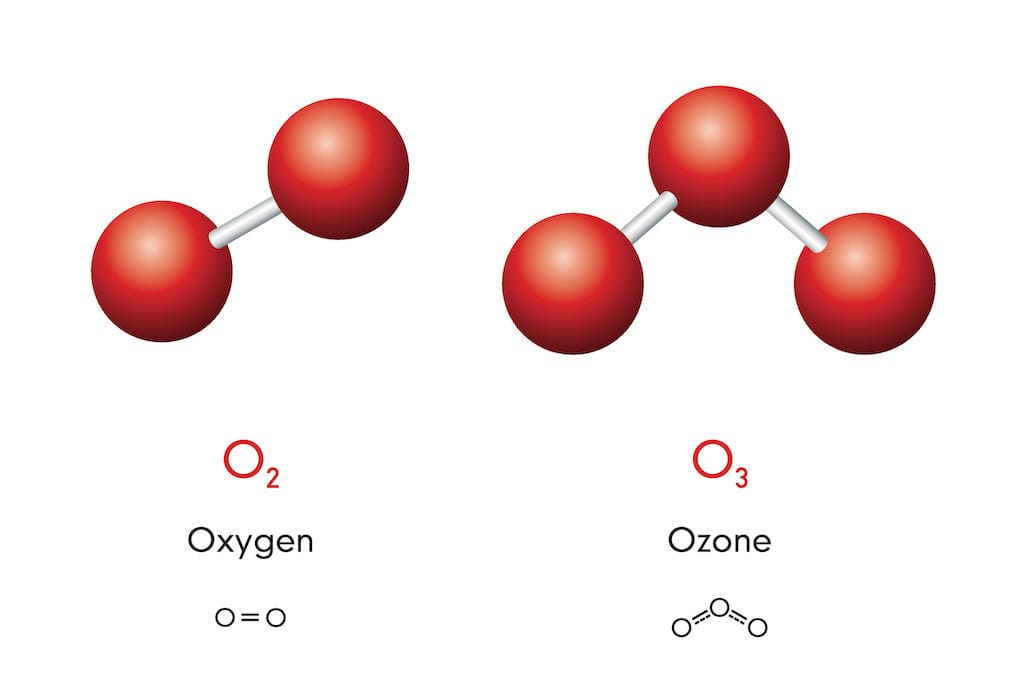
In nature, oxygen is present in all oxygenates (in most salts and in all oxides - in water, silica (quartz sand), in carbonates).
The concentration of oxygen in water is a very important indicator. Usually, it is up to 14 mg/l, when it comes to natural waters, sometimes even more. In the same water that flows from the tap, oxygen is contained much less, and this is easy to explain. Tap water passes through several stages of purification, and dissolved oxygen is an extremely unstable compound.
As a result of gas exchange with the air medium, most of it simply disappears.
Phosphates
Phosphorus (P). This mineral is integral in reducing muscle weakness, improving bone health, boosting brain function, preventing aging, reducing sexual weakness, aiding in dental care, and optimizing body metabolism.
Selenium

Selenium (Se) might be a rare mineral, but its function is significant. It is one of the most powerful mineral antioxidants, and it actually prevents the formation of new free radicals by participating in various cellular reactions, which lowers the peroxide concentration in the cellular body.

Reducing free radical formation is only one of the selenium’s functions. It is also essential for bone growth, along with calcium, copper, and zinc.
The adult's body contains up to 20 mg of selenium. It is mainly in the liver, kidney, and spleen. It's like an antioxidant that helps the body fight against free radicals, reduces inflammation and prevents cell aging.
Food that contains this element the most.

Total Silicon amount

Silicic Acid (Si/SiO2/H2SiO3), also known as silicon, is a real well-being and beauty mineral, which tastes neutral.
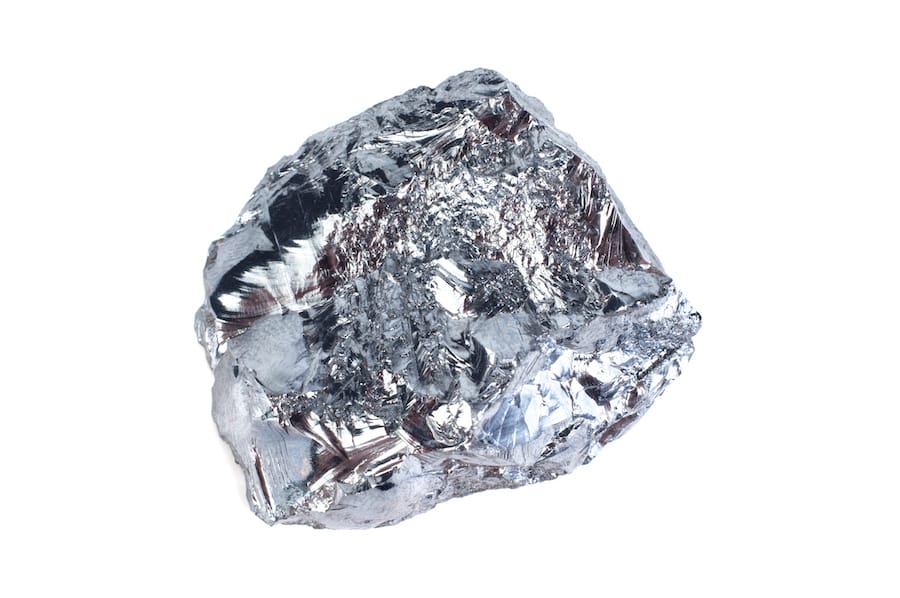
Silicon helps to strengthen nails, hair, and skin, stimulate collagen and elastin synthesis in the body.
Silicon is important for everybody.
Silicon plays an important role in bone formation, which contributes to the absorption of calcium. The strength of tendons and connective tissue also depends on the amount of silicon in the body, it also strengthens the immune system.
The deficiency of silicon can cause bone flesh (osteoporosis), brittle nails and hair, pallor, wrinkle skin, etc..
Silicon in nature is not present in pure form, it is always in combination with oxygen - like silicic acid.

Food that contains this element the most.
Silicon dioxyde

Silicic Acid (Si/SiO2/H2SiO3), also known as silicon, is a real well-being and beauty mineral, which tastes neutral.
Silicon helps to strengthen nails, hair, and skin, stimulate collagen and elastin synthesis in the body.
Silicon is important for everybody.
Silicon plays an important role in bone formation, which contributes to the absorption of calcium. The strength of tendons and connective tissue also depends on the amount of silicon in the body, it also strengthens the immune system.
The deficiency of silicon can cause bone flesh (osteoporosis), brittle nails and hair, pallor, wrinkle skin, etc..
Silicon in nature is not present in pure form, it is always in combination with oxygen - like silicic acid.
Food that contains this element the most.
Sulfate

Sulfate (SO4) has a slightly salty and bitter taste.
Sulfate plays an important role in the fat metabolism and liver detoxification process. It helps to improve digestion, stimulates intestinal and biliary function.
High sulfate mineral waters can stimulate digestion. It acts as a lightweight laxative but does not addict. Those who regularly use sulfate-containing mineral water naturally stimulate intestinal activity and prevent the onset of constipation.
When used with magnesium and calcium, the effect of sulfate can be increased.
Strontium
Arsenic

Arsenic can be found naturally on earth in small concentrations. It occurs in soil and minerals and it may enter the air, water, and land through wind-blown dust and water run-off. Despite its notoriety as a deadly poison, arsenic is an essential trace element for some animals, and maybe even for humans. The maximum allowed amount of Arsenic in baby water is 0,005mg/l. Arsenic is one of the most toxic elements that can be found. Despite their toxic effect, inorganic arsenic bonds occur on earth naturally in small amounts. Humans may be exposed to arsenic through food, water, and air. Levels of arsenic in food are fairly low, as it is not added due to its toxicity. But levels of arsenic in fish and seafood may be high because fish absorb arsenic from the water they live in.