
Mana
mg/l
Mineralization
Info Performance
pH

-
mg/l
Hardness Ca+Mg
ms/m
Electrical conductvity
pH
pH (Power of hydrogen) is the number that represents the ratio of H+ (hydrogen) - ions to OH- (oxygen and hydrogen) - ions.

pH stands for numbers 1 to 14. pH below 7 means that the environment is acidic, and above 7 - is alkaline. 7 means that the environment is neutral and the ratio between H + and OH- is equal.
What is the difference between water pH 7, pH 8, and pH 9?
Each subsequent pH-number means that the environment is 10 times more alkaline (more oxygen and hydrogen OH-). If the pH value is greater than 7, then the environment is alkaline (more secured with OH-).
For example pH 8 = 10-times more alkaline than pH 7 and pH 9 = 10-times more alkaline than pH 8.
Conclusion: water with pH 9 is exactly 100-times more alkaline than water with pH 7, and pH 10 is 1000-times more alkaline than pH 7.
The same scheme also applies to the acid environment: pH 4 (more H+ ions) indicates 1000-times more acidic than pH 7, and the environment with pH 3 is 10.000-times more acidic than pH 7.
Carbonation
Carbonated water is also known as sparkling water. The origin of carbon dioxide may be different.
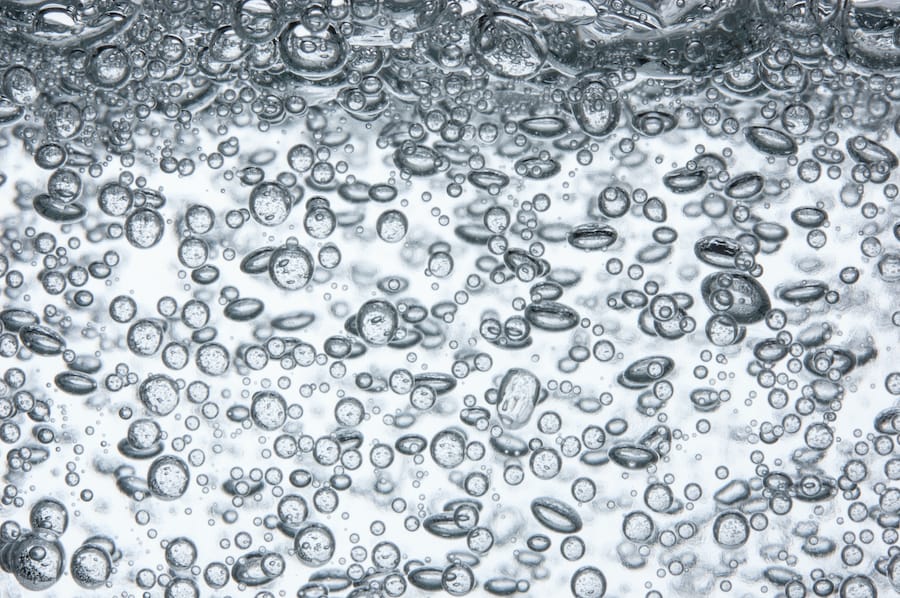
1)Natural- Already from the very birth, the water contains natural carbon dioxide CO2.
2)Natural CO2 is collected from the water birthplace and later added to the bottled water.
3)Artificial carbonation. (in 98% cases)
The Carbonation amount in the water- can be very lightly carbonated, medium, or very tangy.
Virtual Water Sommelier
Your guide, who unveils the secrets behind every drop.
Ask JEAN for his expert opinion on any Water!
Download the PickAqua app and quench your thirst for knowledge!
Let him guide you on a refreshing journey of Water functionality, taste, origin, and more.
Talk to JEAN.
Download PickAqua:


Daily mineral norm
Water mineral content ratio to total recommended daily mineral intake (%)
Mineral composition
TDS
15 mg/lpH
Fluoride

Fluoride (F) has a sweet and soapy taste and it plays a very important role in bone and tooth structure.
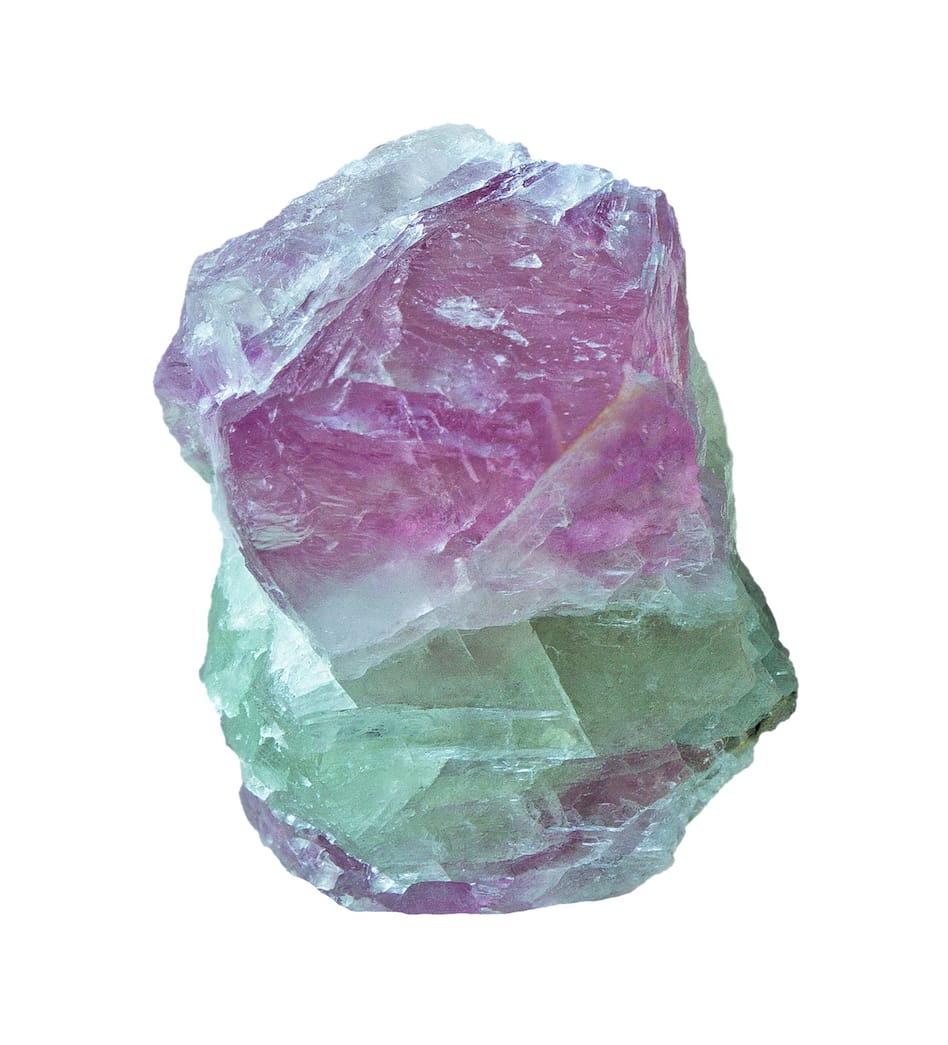
Fluoride naturally occurring in water can be above, at, or below recommended levels.
Fluoride remains in the teeth and can inhibit dental caries. It also increases bone density.
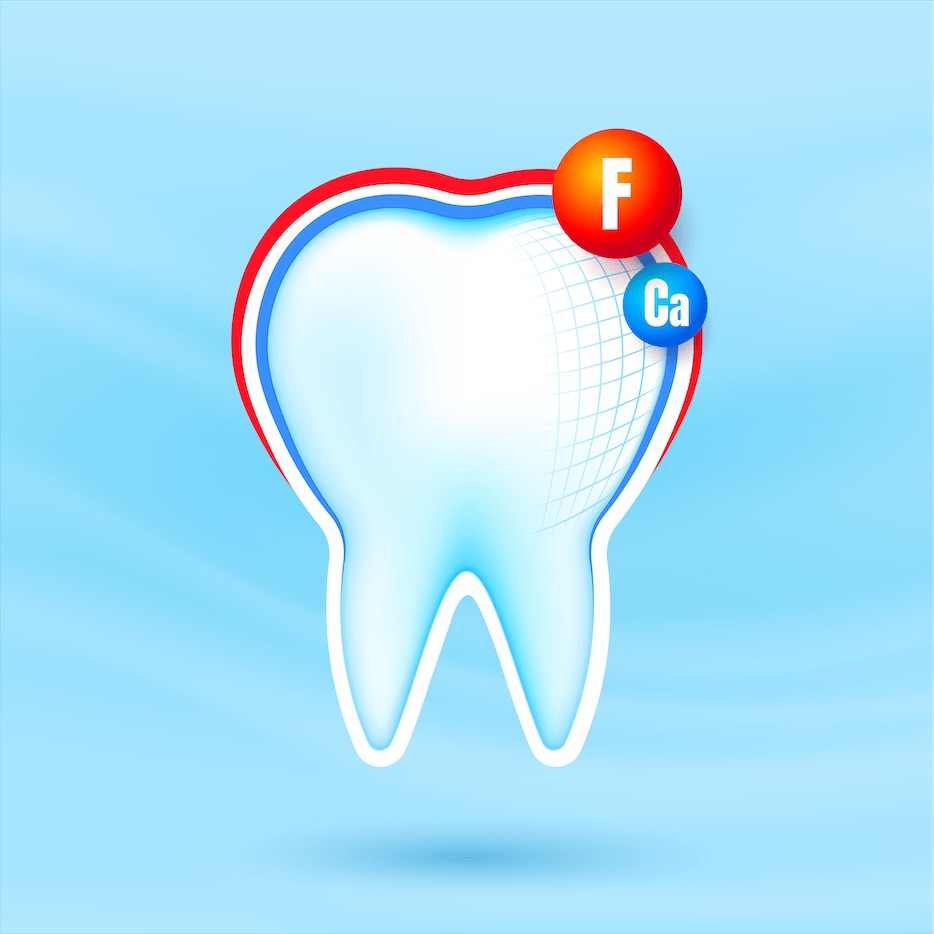
The result of fluoride deficiency may be brittle bones and bad teeth.
Caution: too much unhealthy. Children and adolescents need fluoride for growing teeth, but they should not be consumed too much. Therefore, the legislator has laid down an appropriate reference to the labeling of mineral waters with a fluoride content of more than 1.5 mg/l. For children under 7 years of age, it is not recommended to drink such water every day for prolonged periods.
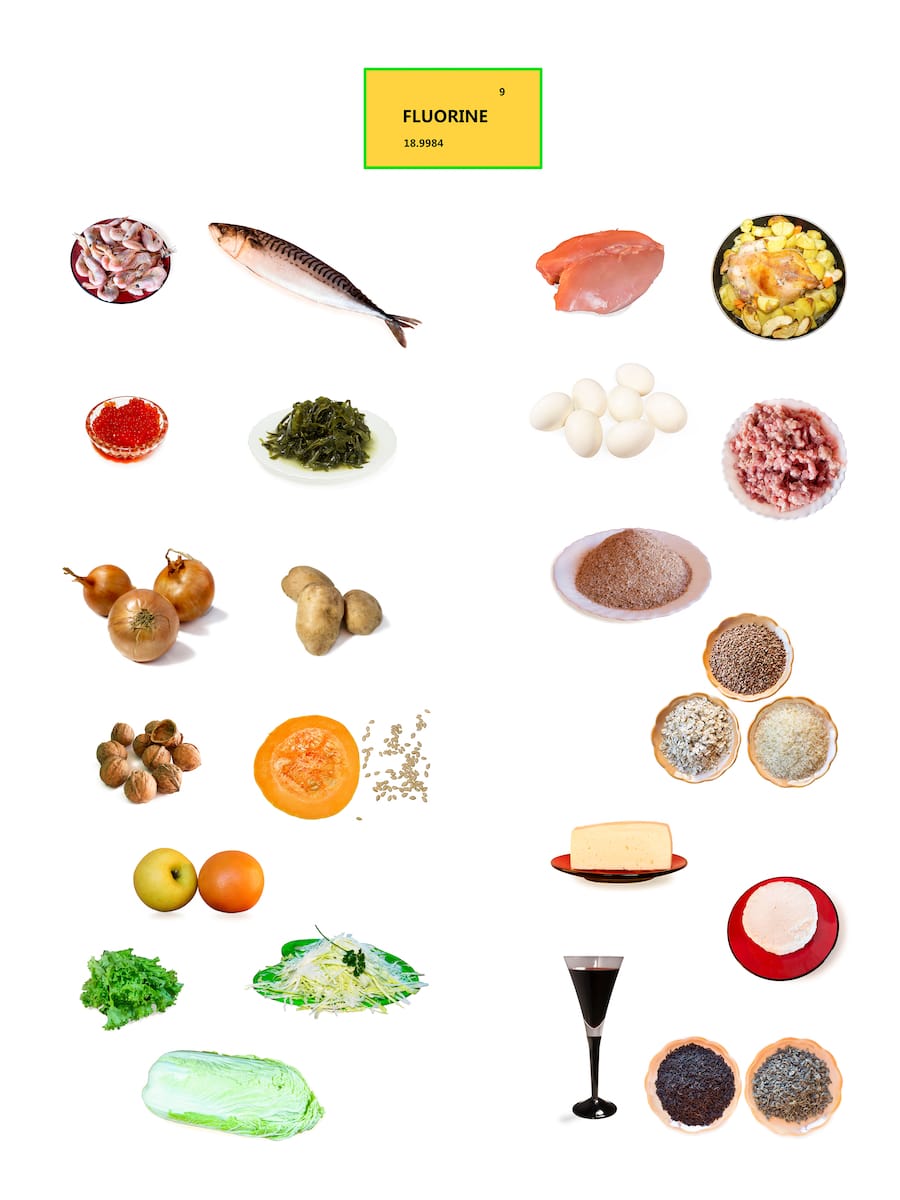
Fluoride tends to be concentrated also in tea, coffee, shellfish, spinach, grapes, raisins, carrots, wine, cucumber, dill herb, tomatoes, asparagus, beans, peas, white rice, and potatoes.
It is important to understand that natural fluoride and synthetic industrial fluoride is quite a different substance.
Food that contains this element the most.
Magnesium

Magnesium has a bitter taste, sometimes it can give a sweet aftertaste.
Magnesium is a very important element for the heart.
It is considered to be an antistress mineral and is also vital for the skin.
Magnesium is important for the transport of nerve impulses, which helps the muscles to relax.
Magnesium activates more than 300 enzymes in the body and regulates electrochemical impulses.
Every day you need 350 mg for men, 300 mg for women, 400 mg for young people.
More magnesium is needed for pregnant women, athletes, and people in stressful situations.
Manifestations of magnesium deficiency: leg cramps, migraine, headache, cardiac and circulatory organ failure, may be at increased risk of thrombosis.
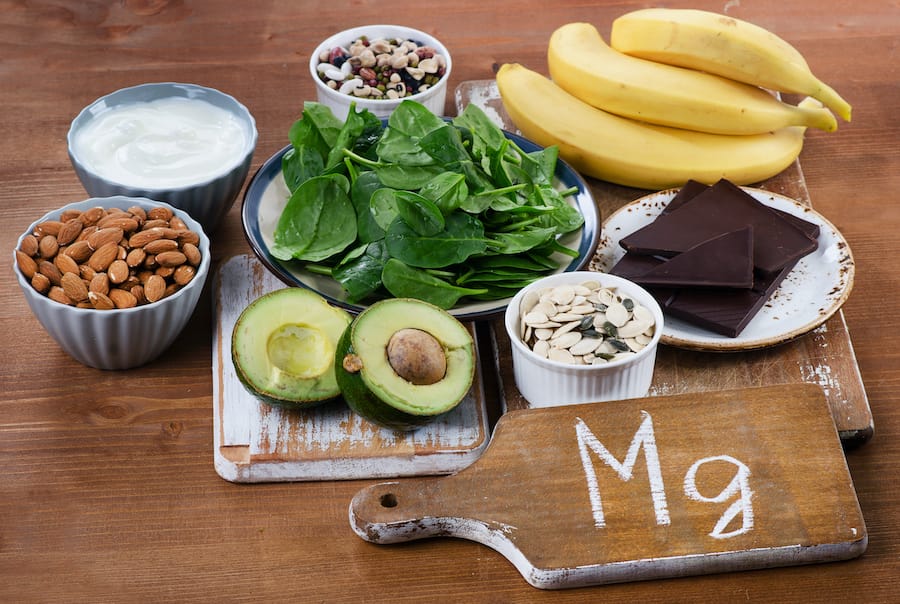
Food that contains this element the most.
Nitrit

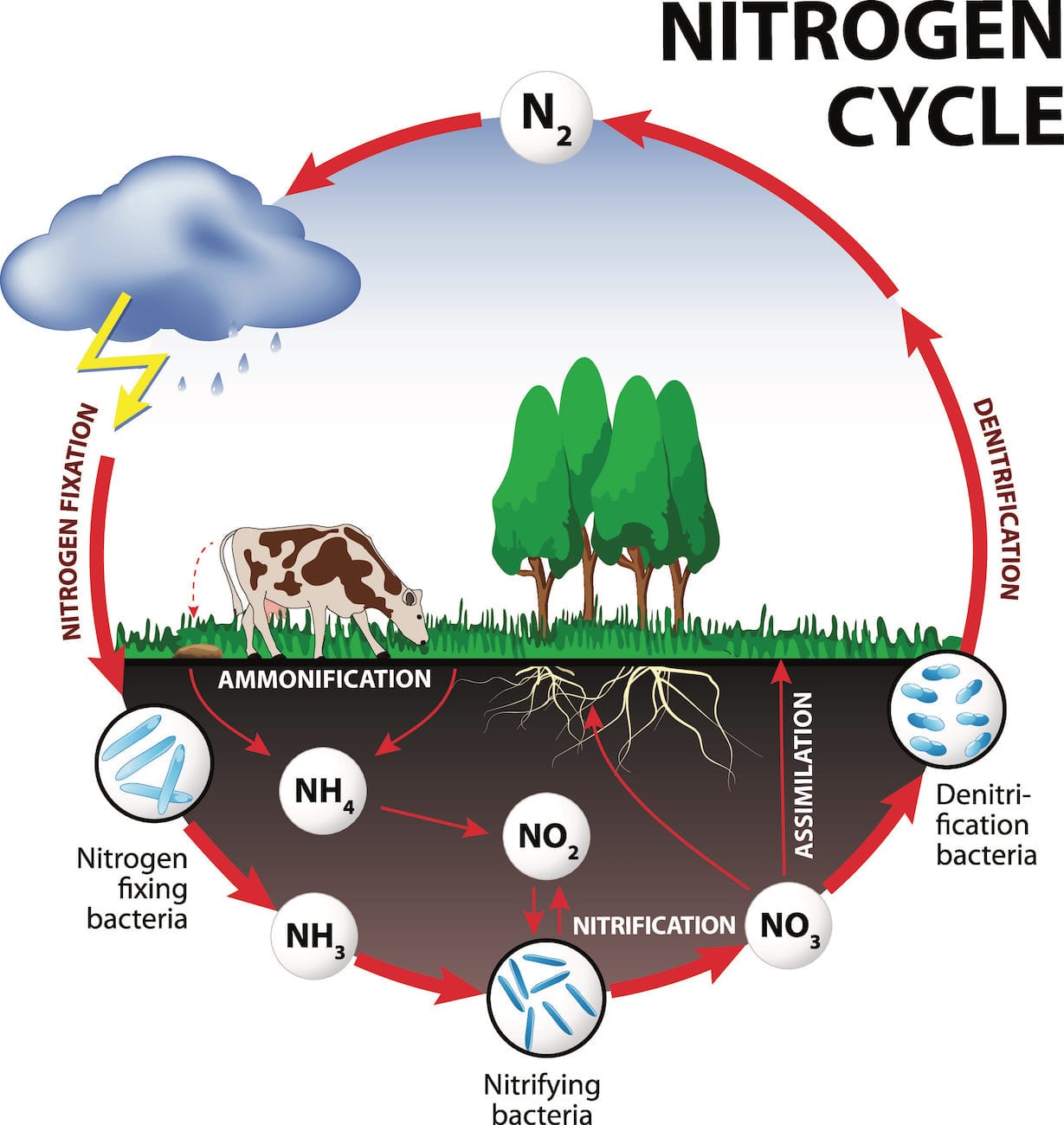
Nitrite (NO2). Nitrites enter the human body in two ways: by direct content or by nitrates, which in the digestive tract (mainly in the oral cavity, also the stomach or intestine), are converted into nitrites by the action of the enzyme nitrate reductase.
The presence of nitrites indicates the contamination of water.
In the European Union, the permissible daily dose of nitrites is 0.1 mg/kg of mass (in terms of sodium nitrite)
Nitrat

Nitrate (NO3). The presence of nitrates indicates water pollution.
Nitrates in water may also be of natural origin, without chemical pollution of water. Geologists have observed that naturally, nitrate levels can be up to 15mg / l.
A small amount of nitrates is found even in waters where they should not seem to be. For example, in glacial waters, where hundreds of kilometers of economic activity do not occur.
We ingest nitrates with food or drinking water. They are harmless to adults without intestinal problems if the limit values are not exceeded.
Compared to tap water, mineral waters are mostly low in nitrate. Mineral waters are more protected from environmental effects, such as fertilizers and other chemicals, as sources are usually deep underground and are regularly tested.
The nitrate limits are:
- 0-1 mg / l - superior,
- 1-4 mg / l - very good,
- 4-7 mg / l - well,
- 7-10 mg / l - acceptable,
- 10-50 mg / l - within the normal range.
But if NO3 and NO2 pollution is not indicated on the bottle, it does not mean that it is not there.
About Source
Natural Mineral Water
In Europe, there are 3 main categories of water types: Natural Mineral Water, Natural Spring Water and Drinking Water/Table water. It is important to understand that any of these water categories except distilled water can contain a large variety of different minerals.Only distilled water does not contain any minerals and it is deionized. All other water categories correspond to one of these three main categories. All of them have different certification requirements and standards. The only water type that needs official recognition is Natural Mineral Water and its chemical composition is always stable. Natural mineral water is tested with around 200 individual examinations and is the only food product required for official recognition.
Both Natural Mineral Water and Natural Spring Water cannot be mixed with other water types and there must be nothing added or taken out from the water. These two water types must stay natural as they are and must be bottled only at the water birthplace from an underground source. Exceptionally, iron may be separated.
On the label must be written Natural Mineral Water. Unlike Drinking Water it has more flexible rules, the chemical composition may be changed, and it can be any water that corresponds to the requirements of Drinking Water. These three categories do not have any connection with the mineral amount in the water, it is the pure status of certification (in Europe.) Please find out more about these categories in Learning Materials.