Acqua La Fonte
mg/l
Mineralization
Info Performance
pH

-
mg/l
Hardness Ca+Mg
ms/m
Electrical conductvity
pH
pH (Power of hydrogen) is the number that represents the ratio of H+ (hydrogen) - ions to OH- (oxygen and hydrogen) - ions.

pH stands for numbers 1 to 14. pH below 7 means that the environment is acidic, and above 7 - is alkaline. 7 means that the environment is neutral and the ratio between H + and OH- is equal.
What is the difference between water pH 7, pH 8, and pH 9?
Each subsequent pH-number means that the environment is 10 times more alkaline (more oxygen and hydrogen OH-). If the pH value is greater than 7, then the environment is alkaline (more secured with OH-).
For example pH 8 = 10-times more alkaline than pH 7 and pH 9 = 10-times more alkaline than pH 8.
Conclusion: water with pH 9 is exactly 100-times more alkaline than water with pH 7, and pH 10 is 1000-times more alkaline than pH 7.
The same scheme also applies to the acid environment: pH 4 (more H+ ions) indicates 1000-times more acidic than pH 7, and the environment with pH 3 is 10.000-times more acidic than pH 7.
Carbonation
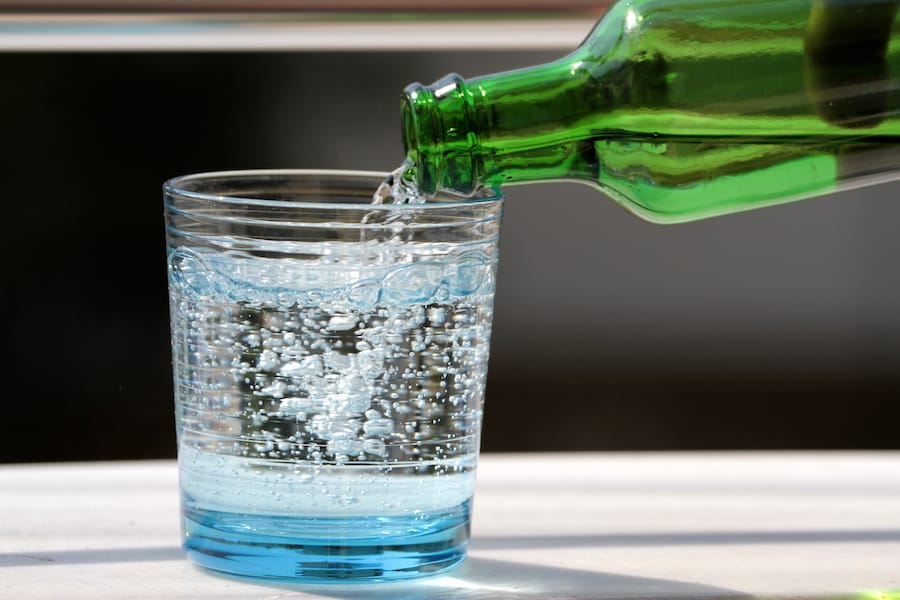
Carbonated water is also known as sparkling water. The origin of carbon dioxide may be different.
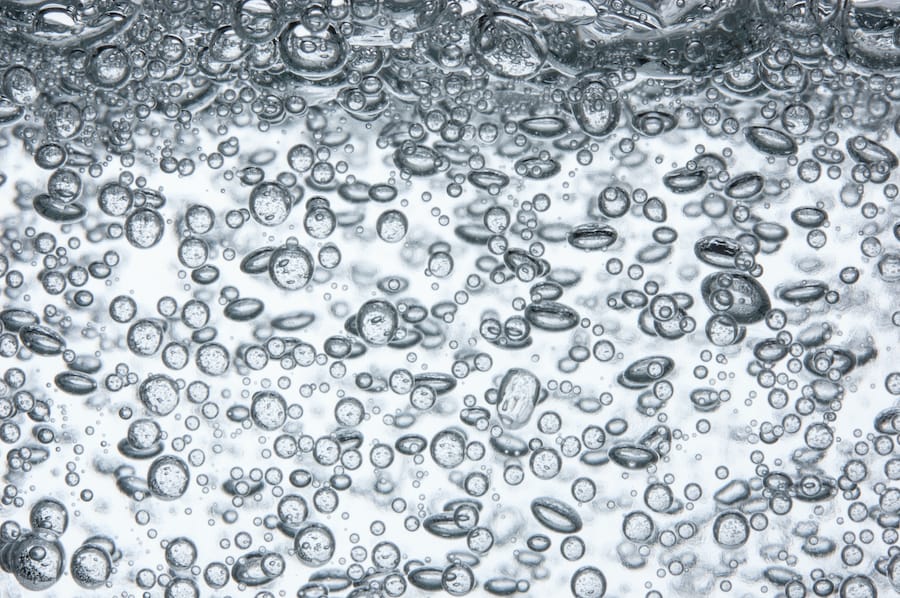
1)Natural- Already from the very birth, the water contains natural carbon dioxide CO2.
2)Natural CO2 is collected from the water birthplace and later added to the bottled water.
3)Artificial carbonation. (in 98% cases)
The Carbonation amount in the water- can be very lightly carbonated, medium, or very tangy.
Virtual Water Sommelier
Your guide, who unveils the secrets behind every drop.
Ask JEAN for his expert opinion on any Water!
Download the PickAqua app and quench your thirst for knowledge!
Let him guide you on a refreshing journey of Water functionality, taste, origin, and more.
Talk to JEAN.
Download PickAqua:


Daily mineral norm
Water mineral content ratio to total recommended daily mineral intake (%)
Mineral composition
pH
Fluoride

Fluoride (F) has a sweet and soapy taste and it plays a very important role in bone and tooth structure.
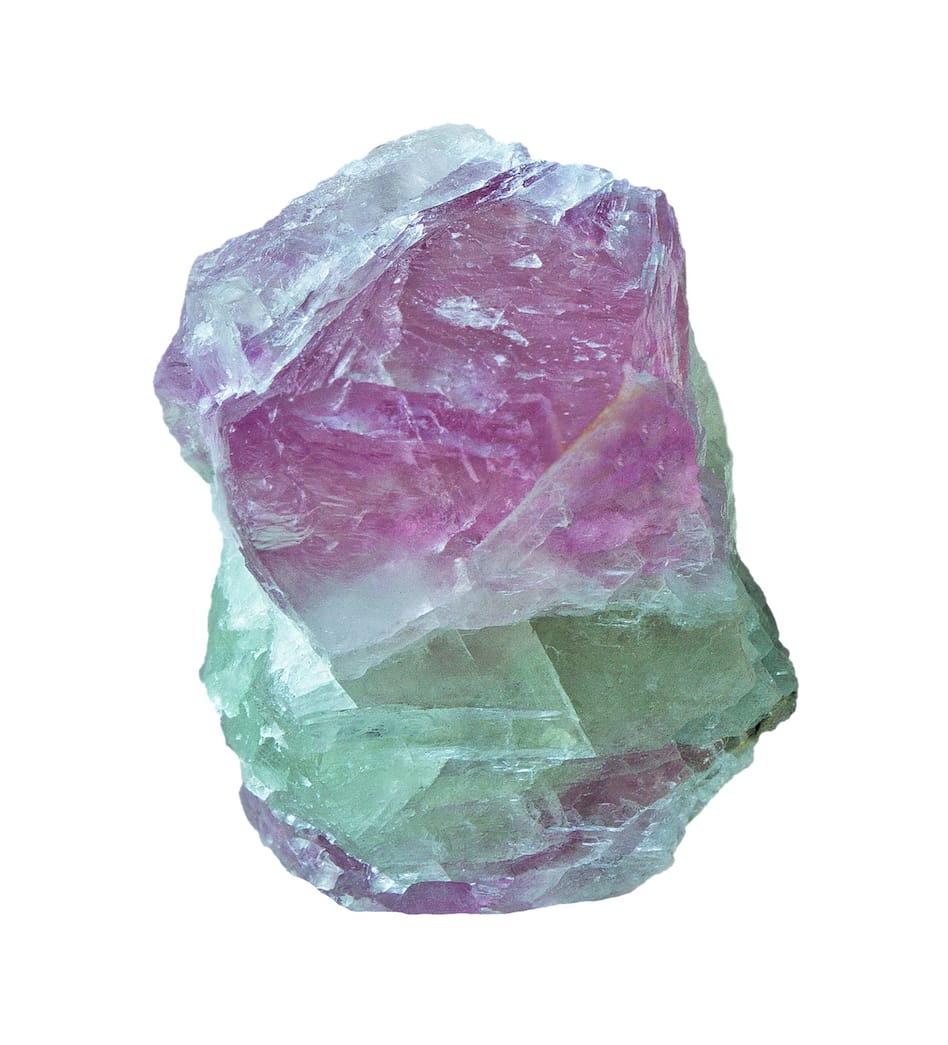
Fluoride naturally occurring in water can be above, at, or below recommended levels.
Fluoride remains in the teeth and can inhibit dental caries. It also increases bone density.
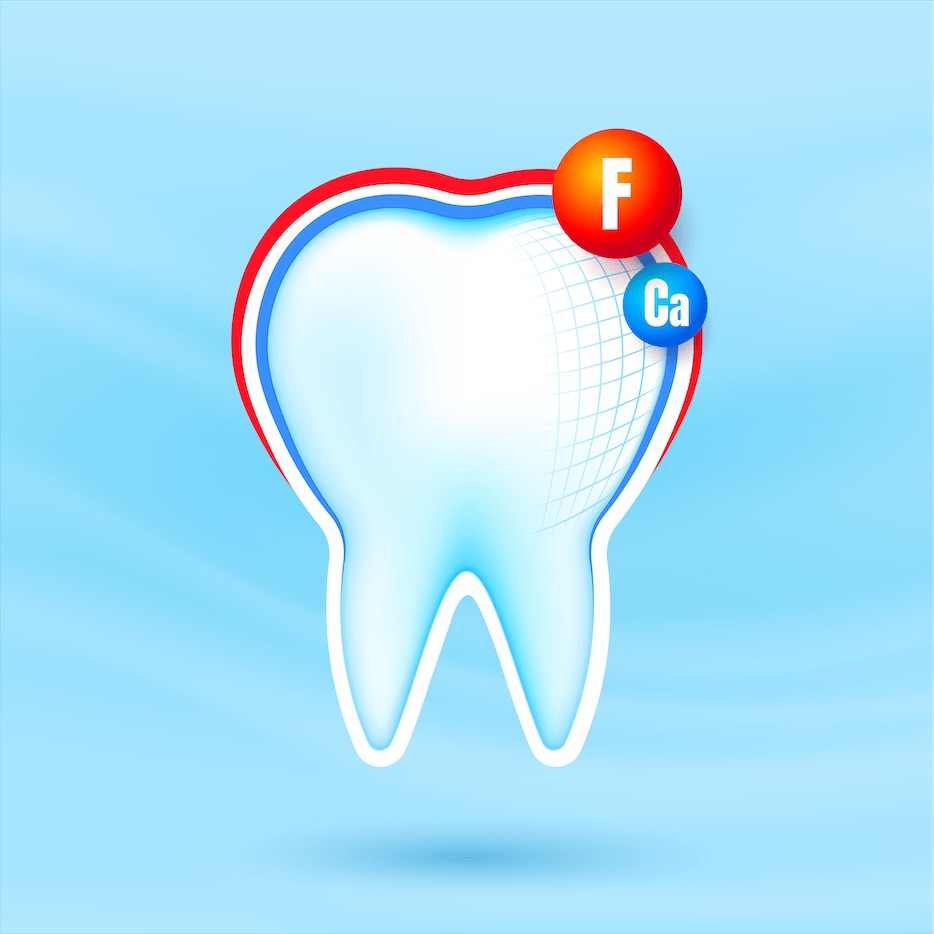
The result of fluoride deficiency may be brittle bones and bad teeth.
Caution: too much unhealthy. Children and adolescents need fluoride for growing teeth, but they should not be consumed too much. Therefore, the legislator has laid down an appropriate reference to the labeling of mineral waters with a fluoride content of more than 1.5 mg/l. For children under 7 years of age, it is not recommended to drink such water every day for prolonged periods.
Fluoride tends to be concentrated also in tea, coffee, shellfish, spinach, grapes, raisins, carrots, wine, cucumber, dill herb, tomatoes, asparagus, beans, peas, white rice, and potatoes.
It is important to understand that natural fluoride and synthetic industrial fluoride is quite a different substance.
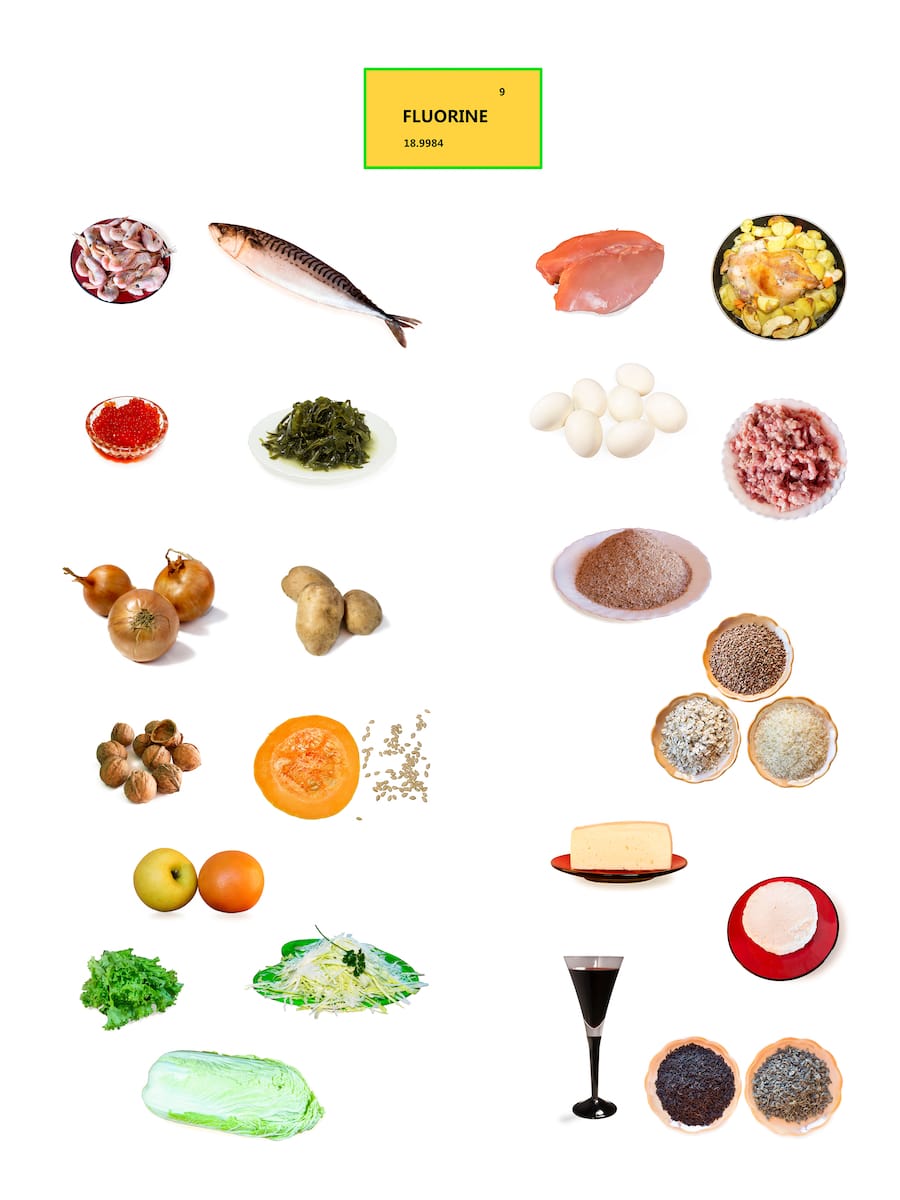
Food that contains this element the most.