
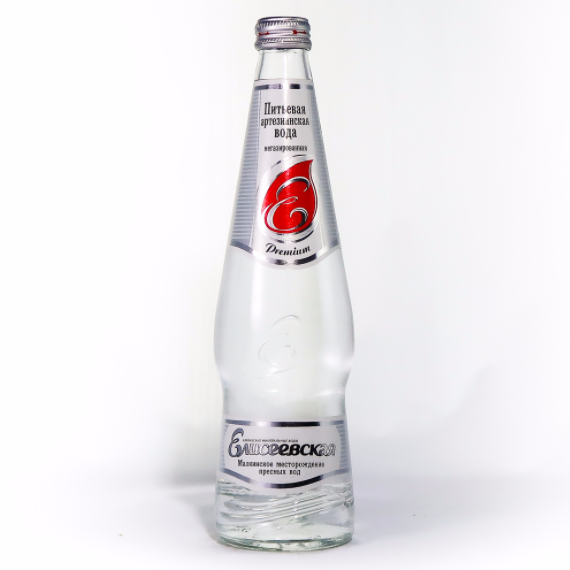
Eliseevskaya

mg/l
Mineralization
Info Performance
pH

-
mg/l
Hardness Ca+Mg
ms/m
Electrical conductvity
pH
pH (Power of hydrogen) is the number that represents the ratio of H+ (hydrogen) - ions to OH- (oxygen and hydrogen) - ions.

pH stands for numbers 1 to 14. pH below 7 means that the environment is acidic, and above 7 - is alkaline. 7 means that the environment is neutral and the ratio between H + and OH- is equal.
What is the difference between water pH 7, pH 8, and pH 9?
Each subsequent pH-number means that the environment is 10 times more alkaline (more oxygen and hydrogen OH-). If the pH value is greater than 7, then the environment is alkaline (more secured with OH-).
For example pH 8 = 10-times more alkaline than pH 7 and pH 9 = 10-times more alkaline than pH 8.
Conclusion: water with pH 9 is exactly 100-times more alkaline than water with pH 7, and pH 10 is 1000-times more alkaline than pH 7.
The same scheme also applies to the acid environment: pH 4 (more H+ ions) indicates 1000-times more acidic than pH 7, and the environment with pH 3 is 10.000-times more acidic than pH 7.
Carbonation
Carbonated water is also known as sparkling water. The origin of carbon dioxide may be different.
1)Natural- Already from the very birth, the water contains natural carbon dioxide CO2.
2)Natural CO2 is collected from the water birthplace and later added to the bottled water.
3)Artificial carbonation. (in 98% cases)
The Carbonation amount in the water- can be very lightly carbonated, medium, or very tangy.

Virtual Water Sommelier
Your guide, who unveils the secrets behind every drop.
Ask JEAN for his expert opinion on any Water!
Download the PickAqua app and quench your thirst for knowledge!
Let him guide you on a refreshing journey of Water functionality, taste, origin, and more.
Talk to JEAN.
Download PickAqua:


Good for:

Magnesium

Medium TDS

During Sports

Coffee brewing

White Wine partner

Red Wine partner

Digestion

Respectable Age

Stress

Headache

Brain Activity
Magnesium
Magnesium has a bitter taste, sometimes it can give a sweet aftertaste.
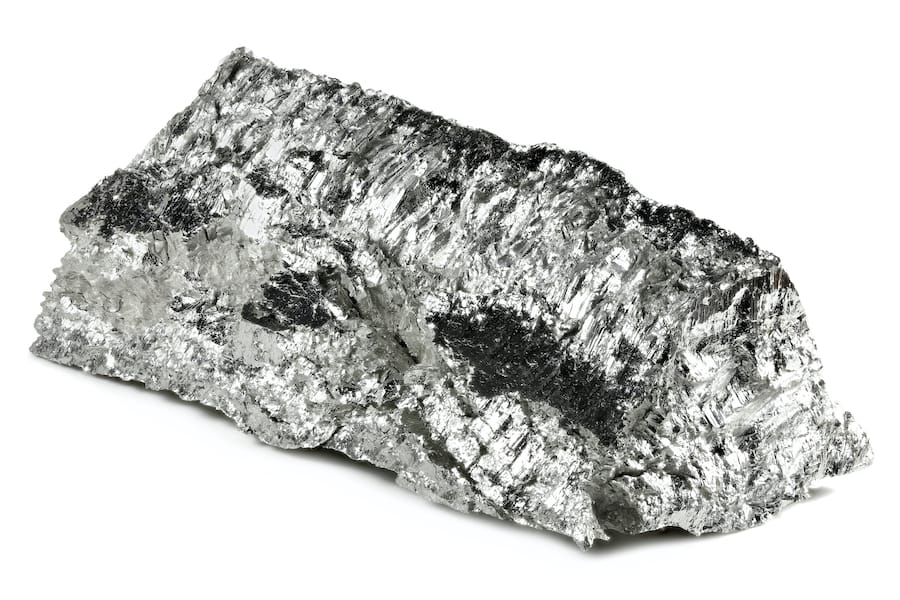
Magnesium is a very important element for the heart.
It is considered to be an antistress mineral and is also vital for the skin.
Magnesium is important for the transport of nerve impulses, which helps the muscles to relax.
Magnesium activates more than 300 enzymes in the body and regulates electrochemical impulses.
Every day you need 350 mg for men, 300 mg for women, 400 mg for young people.
More magnesium is needed for pregnant women, athletes, and people in stressful situations.
Manifestations of magnesium deficiency: leg cramps, migraine, headache, cardiac and circulatory organ failure, may be at increased risk of thrombosis.
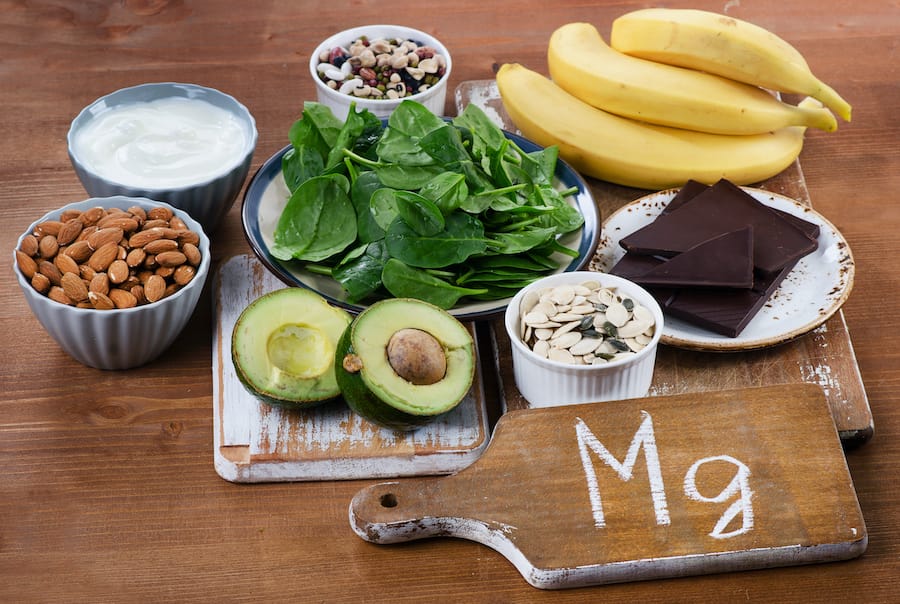
Food that contains this element the most.
Medium TDS
The total amount of dissolved solids (TDS) or mineralization is the total amount of all the substances dissolved in water, through the soil layers. TDS content in water is measured in milligrams per liter (mg/l). In different countries the gradation of TDS varies slightly from very mild to moderate levels of
- Ultralight 1 - 50 mg/l,
- mild 50 - 500 mg/l,
- medium 500 - 1000 mg/l,
- high 1000 - 1500 mg/l
- up to very high 1500 - 3000 mg/l,
- and even super-high 3000 - 20000 mg/l mineralisation.
TDS is a major factor affecting the taste of the water - the higher the TDS, the greater the taste differences. The total mineralization of water (TDS) is another indicator of dry residue. The dry residue parameter of water at 180° or 260°C may be up to 30% lower than the TDS figure. This means that the total amount of substances dissolved in water can be even twice as high!
During Sports
(Ca, Mg, Na, K, HCO3, pH)
Non-carbonated waters will be found in this category.
In sports, the body loses a lot of fluid through sweating. Sufficient drinking is therefore important, both for professionals and for amateur athletes. With a fluid loss of 2% of the body weight, it comes already to performance losses. Consequences can be dizziness, headache, difficulty concentrating, weakness and muscle cramps. Sweat also causes a number of important minerals, such as Sodium, potassium, and magnesium excreted. During sports, we recommend drinking water without gas.
Sodium is involved in the regulation of fluid balance and blood pressure, magnesium is important for energy metabolism and ensures well-functioning muscles and nerves. Hydrogen carbonate or high pH water has been shown to retard muscle acidification, promote recovery and promote performance. For this purpose, it is recommended to prefer water with a hydrogen carbonate content of at least 1200 mg/l or water with a pH value not lower than 8,5. Mineral waters in this category are very well suited to reintroduce the lost sodium and/or magnesium to the body. Some waters have particularly high levels of bicarbonate or very high pH value. Since very few waters have all 5 of these properties in larger quantities, you should still take a look at the composition and select the water according to your personal needs.
The allocation of mineral waters is our recommendation for your individual needs. As part of healthy and varied nutrition, you should take at least 1.5 to 2 liters of fluid per day.
Coffee brewing
Here in this section, you can find waters that are good for making coffee. The mineral components are good balanced and can intensify the aroma of Coffee.
White Wine partner
Water can be an ideal companion to accentuate different flavors! By choosing the right water for wine, you will surely be surprised at how well the water mineral composition can open up and accentuate the nuances of the taste of wine. You can experiment with the mixing of different waters with wine. For example, choosing four different waters for one specific wine. Take one water after another, drinking a little bit of wine in between. With each sip of another water type, the wine will change its flavors, possibly even drastically. In this category, there are waters that best fit together with wine and help highlight the special taste of the wine.
Red Wine partner
Water can be an ideal companion to accentuate different flavors! By choosing the right water for wine, you will surely be surprised at how well the water mineral composition can open up and accentuate the nuances of the taste of wine. You can experiment with the mixing of different waters with wine. For example, choosing four different waters for one specific wine. Take one water after another, drinking a little bit of wine in between. With each sip of another water type, the wine will change its flavors, possibly even drastically. In this category, there are waters that best fit together with wine and help highlight the special taste of the wine.
Digestion
(SO4 , HCO3)
For humans with digestive disorders, it is worth looking at the sulfate content in water. Waters containing sulfates can stimulate biliary activity and intestinal activity, as well as soften stools. Sulfates play an important role in liver fat metabolism. It promotes digestion and stimulates the intestines and bile. That's why, in this category, we have collected sulfate mineral waters with a sulfate content of at least 200 mg/l. For people with constipation, it is recommended to drink water with a sulfate content of at least 1200 mg/l. These mineral waters will be very suitable for restoring lost sodium and/or magnesium in the body. Some waters have a particularly high bicarbonate level. Water may also have a different, very specific composition that activates digestion. Since very few waters contain all of the three components in large quantities, you should preferably look at the composition of the minerals and choose the water according to your needs.
Respectable Age
(Mg, SO4, K, Na, HCO3, Si)
For those who do not like milk and dairy products, other bone-strengthening calcium sources are needed. We all want to be healthy and active in old age! A sufficient amount of liquid is vitally important. This is especially true for the elderly, as the feeling of thirst decreases as we get older, so often we drink too little water! You should consume at least 1.5 liters of fluid per day. Depending on the state of the health, as one’s age increases, there is also an increased risk of a lack of vital vitamins, minerals, and fluids. Because of age, energy consumption is decreasing, but the need for essential substances remains the same. Mineral water can make a good contribution to supplying these important minerals. Calcium is often lacking, which can lead to bone-strength loss, increasing the risk of osteoporosis. If used with certain medicines, the need for additional sodium, potassium, and magnesium may increase. Magnesium also helps the function of both the cardiovascular system and the brain. Sulfate enhances food digestion, while bicarbonate helps to maintain the balance of the body's acids and alkalis. In addition to higher levels of calcium, water in this category usually has high total mineralization.
The allocation of mineral waters is our recommendation for your individual needs. As part of healthy and varied nutrition, you should take at least 1.5 to 2 liters of fluid per day.
Stress
Stress today is a common occurrence for many of us. This, of course, also affects our health. Internal anxiety, fatigue, tension, headaches - both body and soul feel stress. Magnesium has a relaxing and soothing effect. It is not for nothing that it is known as the "salt of inner peace". We recommend that you use the mineral waters listed here as needed. Together with healthy and varied diets, it is desirable to consume at least 1.5 to 2 liters of liquid per day.
Headache
Mg- Magnesium is a mineral that performs many important functions in the human body. If the substance is not adequately absorbed in food, there is a lack of magnesium in the body. The result may be headaches, nervousness, muscle cramps, and even heart arrhythmia. Our brain and our entire nervous system require a lot of energy. Magnesium plays an important role here. Therefore, migraine sufferers have a particularly high need for magnesium, as it can easily be deficient. Lack of magnesium promotes migraine attacks. Tension headaches may also be the result of a lack of magnesium.
Brain Activity
Work, concentration and brain activity.
In order to achieve good concentration and mental activity, it is absolutely necessary to drink enough. Dehydration can affect one’s ability to concentrate and react. Important: when we are thirsty, it's too late, because thirst is a manifestation of the negative water balance of the body. Do you want your nerves to be like strings? The right water can help. For example, magnesium, which is involved in innumerable metabolic processes, can also activate your grey cells. This, in turn, can increase resistance to stress. There are even indications that a decrease in the level of magnesium in the blood increases sensitivity to noise. Magnesium also provides children with good concentration and mental activity. If this mineral is missing, it can cause insomnia, rapid tiredness, poor concentration, and even headaches. For your fluid balance, it does not matter which type of water you drink. For those who want more active brain activity, we recommend drinking water containing at least 50 mg of magnesium per liter. Silicon also affects the nervous system and the brain. It normalizes metabolism, which is a catalyst for many body processes.
Daily mineral norm
Water mineral content ratio to total recommended daily mineral intake (%)
Mineral composition
TDS
1000 mg/lpH
Sulfate

Sulfate (SO4) has a slightly salty and bitter taste.
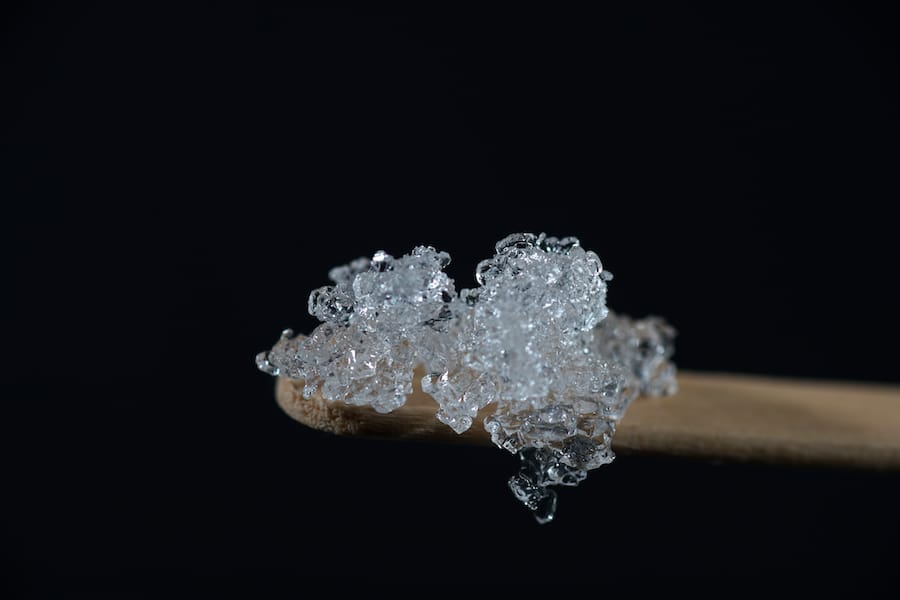
Sulfate plays an important role in the fat metabolism and liver detoxification process. It helps to improve digestion, stimulates intestinal and biliary function.
High sulfate mineral waters can stimulate digestion. It acts as a lightweight laxative but does not addict. Those who regularly use sulfate-containing mineral water naturally stimulate intestinal activity and prevent the onset of constipation.
When used with magnesium and calcium, the effect of sulfate can be increased.
Hydrogen Carbonate

Hydrogen carbonate (HCO3), also called bicarbonate, tastes light, soap-like.
It has an alkaline effect, and it can improve the body's acid-alkaline balance, i.e., bicarbonate is able to bond the stomach acid.
Hydrogen carbonate can help with various digestive problems. Water with high bicarbonate content gently relieves heartburn and may reduce inflammation of the gastric mucosa.
Hydrogen carbonate is not a mineral, but is the salt of carbonic acid, and is present in each mineral water.
Thanks to the acid-neutralizing effect, it not only delivers a pleasantly neutral and natural flavor to mineral water but also improves the body's acid-alkali balance.
Calcium

Calcium (Ca) can leave a dry aftertaste.
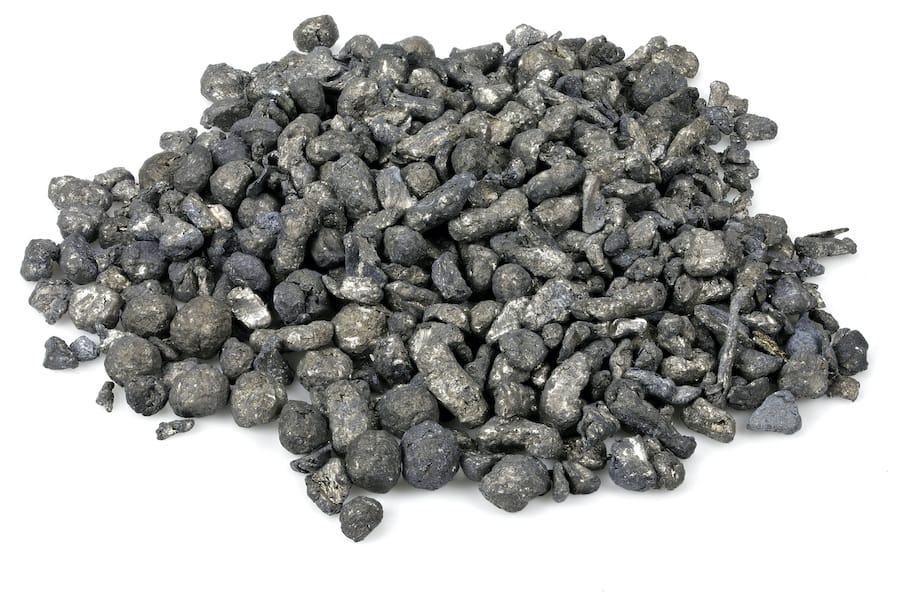
Calcium strengthens bones, teeth and is responsible for nerve impulse action.
If you eat dairy products on a daily basis, that's enough. The other good alternative may be calcium-containing water.
Calcium plays an important role in the formation and maintenance of bones and teeth.
Calcium in the nerves and muscle cells is responsible for impulse and hormonal signal transmission. It also regulates the activity of different enzymes, it has anti-inflammatory and anti-allergic properties.
Every day you need about 1000 mg.
Young people and seniors should receive more calcium. Especially a lot of calcium is in milk and cheese. If you do not eat dairy products every day, calcium-containing mineral water is a great alternative.
If calcium is lacking, the body is taking it from the skeletal bone, which can cause osteoporosis or "bone loss" in the long run. Especially it may affect older people, mainly women. Calcium deficiency can also cause headaches, muscle spasms, and irritability.
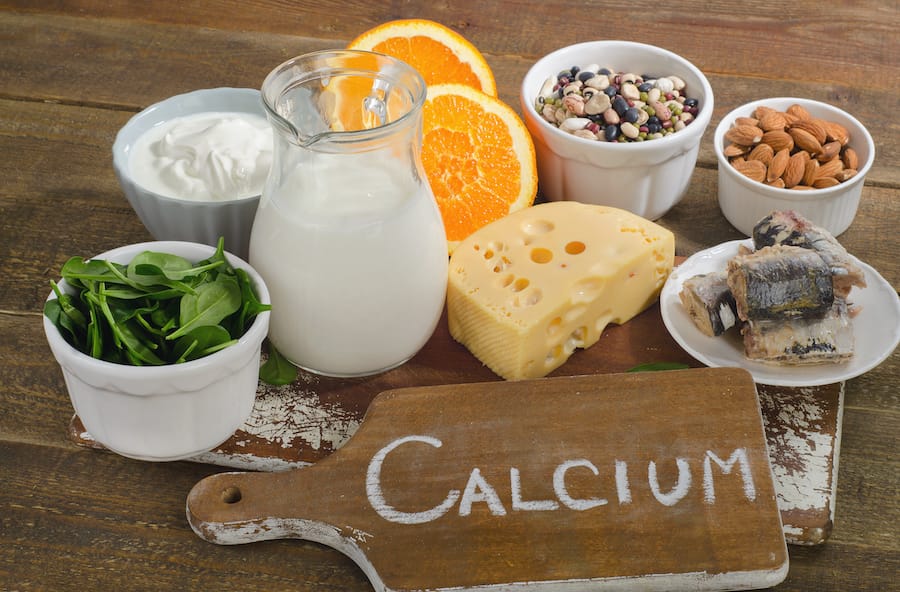
Food that contains this element the most.
Magnesium

Magnesium has a bitter taste, sometimes it can give a sweet aftertaste.
Magnesium is a very important element for the heart.
It is considered to be an antistress mineral and is also vital for the skin.
Magnesium is important for the transport of nerve impulses, which helps the muscles to relax.
Magnesium activates more than 300 enzymes in the body and regulates electrochemical impulses.
Every day you need 350 mg for men, 300 mg for women, 400 mg for young people.
More magnesium is needed for pregnant women, athletes, and people in stressful situations.
Manifestations of magnesium deficiency: leg cramps, migraine, headache, cardiac and circulatory organ failure, may be at increased risk of thrombosis.
Food that contains this element the most.
About Source
Drinking Water
Drinking WaterPackaging
-
Material Glass 0.5l
Any water wishes to be bottled in a glass bottle. It is a safe non-reactive material. Don't leave the bottle in the car in direct sunlight, it can have a magnifier effect and damage the car.