

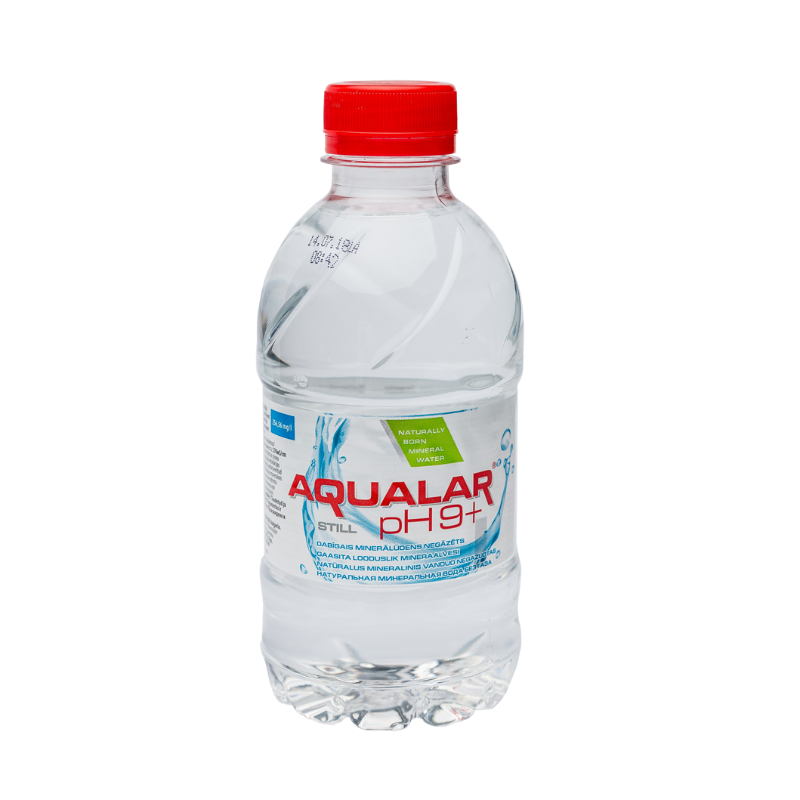
AQUALAR pH 9+

mg/l
Mineralization
Info Performance
pH

-
mg/l
Hardness Ca+Mg
ms/m
Electrical conductvity
pH
pH (Power of hydrogen) is the number that represents the ratio of H+ (hydrogen) - ions to OH- (oxygen and hydrogen) - ions.

pH stands for numbers 1 to 14. pH below 7 means that the environment is acidic, and above 7 - is alkaline. 7 means that the environment is neutral and the ratio between H + and OH- is equal.
What is the difference between water pH 7, pH 8, and pH 9?
Each subsequent pH-number means that the environment is 10 times more alkaline (more oxygen and hydrogen OH-). If the pH value is greater than 7, then the environment is alkaline (more secured with OH-).
For example pH 8 = 10-times more alkaline than pH 7 and pH 9 = 10-times more alkaline than pH 8.
Conclusion: water with pH 9 is exactly 100-times more alkaline than water with pH 7, and pH 10 is 1000-times more alkaline than pH 7.
The same scheme also applies to the acid environment: pH 4 (more H+ ions) indicates 1000-times more acidic than pH 7, and the environment with pH 3 is 10.000-times more acidic than pH 7.
Carbonation
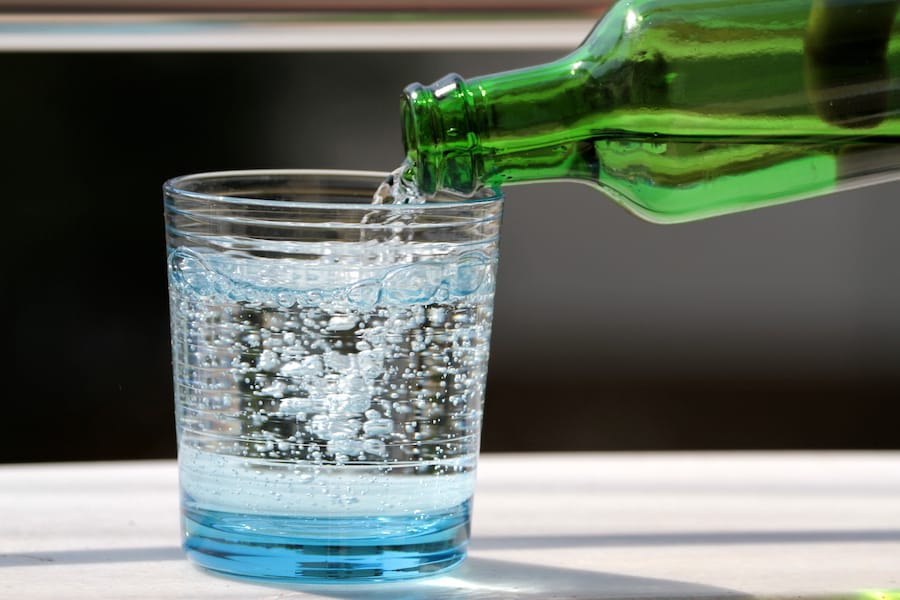
Carbonated water is also known as sparkling water. The origin of carbon dioxide may be different.
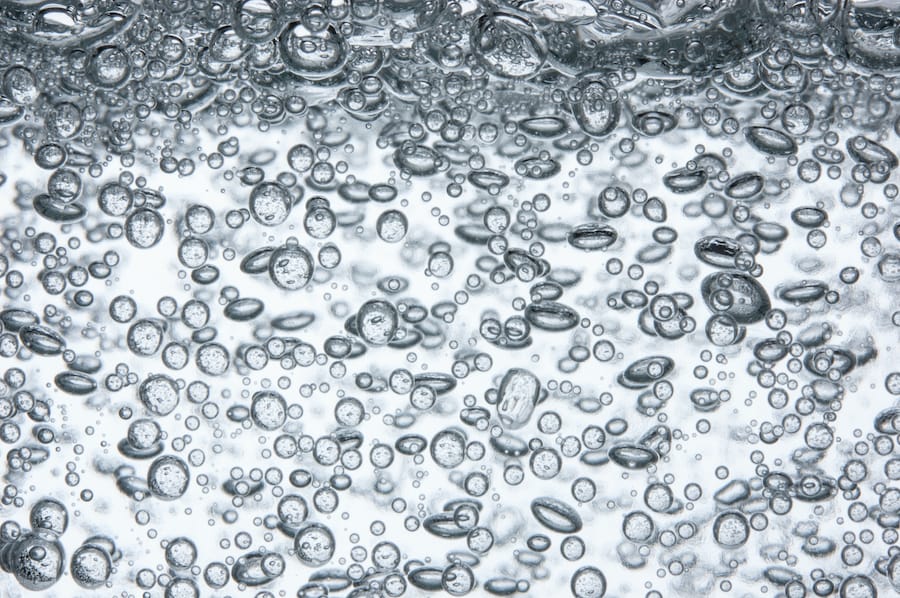
1)Natural- Already from the very birth, the water contains natural carbon dioxide CO2.
2)Natural CO2 is collected from the water birthplace and later added to the bottled water.
3)Artificial carbonation. (in 98% cases)
The Carbonation amount in the water- can be very lightly carbonated, medium, or very tangy.
Good for:

Silicon

Lithium

High pH

Low TDS

During Sports

For Recovery

To drink with Coffee

Tea brewing

Red Wine partner

Detox
pH balance

Beauty

Youth

Fast Absorbing

Immune System

Digestion

Heartburn

Weight Control

Everyday water

Stress

Kidneys

Liver

Strong Teeth

Strong Bones

Hangover
Silicon
Silicic Acid (Si/SiO2/H2SiO3), also known as silicon, is a real well-being and beauty mineral, which tastes neutral.
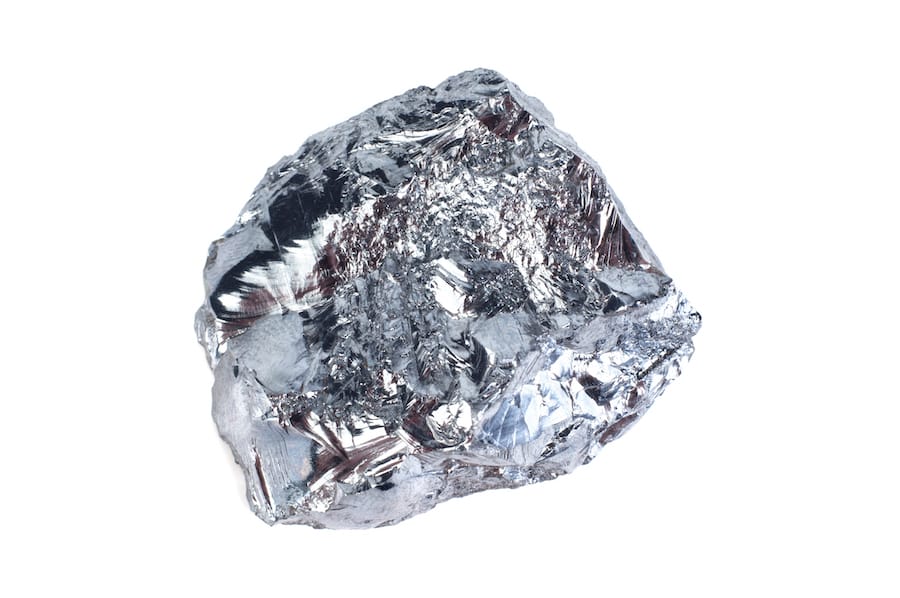
Silicon helps to strengthen nails, hair, and skin, stimulate collagen and elastin synthesis in the body.
Silicon is important for everybody.
Silicon plays an important role in bone formation, which contributes to the absorption of calcium. The strength of tendons and connective tissue also depends on the amount of silicon in the body, it also strengthens the immune system.
The deficiency of silicon can cause bone flesh (osteoporosis), brittle nails and hair, pallor, wrinkle skin, etc..
Silicon in nature is not present in pure form, it is always in combination with oxygen - like silicic acid.
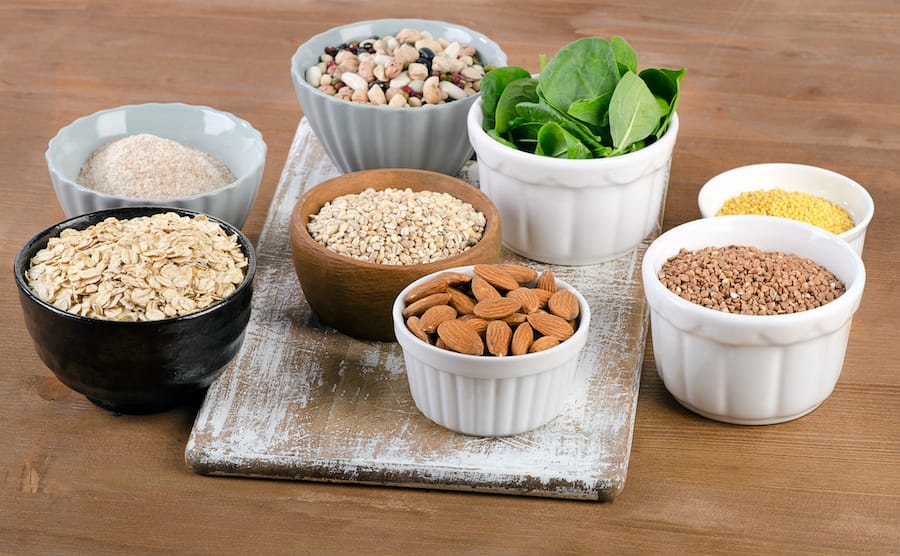
Food that contains this element the most.
Lithium
Lithium (Li) is a naturally occurring trace element found in seaweed, dairy, eggs, potatoes and fruit, and vegetables grown in lithium-rich soil.
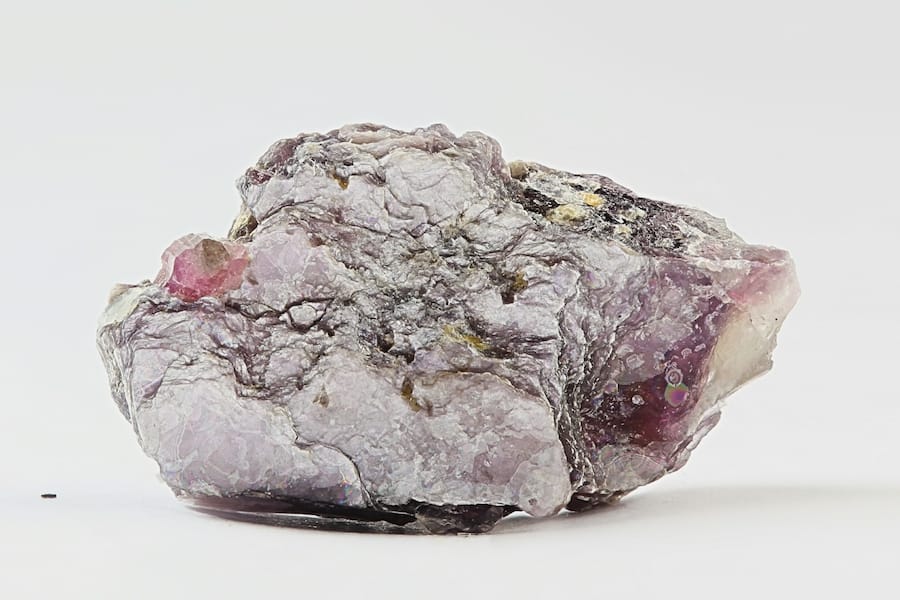
Lithium readily forms salts in the body that are necessary for cellular interaction, including the flow of sodium through muscle and nerve cells in the body.
Plays a potentially important role in depressive disorder.
Japanese and Austrian scientists have observed that in places where the water contains lithium people suffer much less from depression.
Water should not contain more than 7,5mg/l Lithium.
High pH
pH (Power of hydrogen) is the number that represents the ratio of H+ (hydrogen) - ions to OH- (oxygen and hydrogen) - ions.
pH stands for numbers 1 to 14. pH below 7 means that the environment is acidic, and above 7 - is alkaline. 7 means that the environment is neutral and the ratio between H + and OH- is equal.
What is the difference between water pH 7, pH 8, pH 9 and pH10?
Each subsequent pH-number means that the environment is 10 times more alkaline (more oxygen and hydrogen OH-). If the pH value is greater than 7, then the environment is alkaline (more secured with OH-).
For example pH 8 = 10-times more alkaline than pH 7 and pH 9 = 10-times more alkaline than pH 8.
Conclusion: water with pH 9 is exactly 100-times more alkaline than water with pH 7, and pH 10 is 1000-times more alkaline than pH 7.
The same scheme also applies to the acid environment: pH 4 (more H+ ions) indicates 1000-times more acidic than pH 7, and the environment with pH 3 is 10.000-times more acidic than pH 7.
Low TDS
The total amount of dissolved solids (TDS) or mineralization is the total amount of all the substances dissolved in water, through the soil layers. TDS content in water is measured in milligrams per liter (mg/l). In different countries the gradation of TDS varies slightly from very mild to moderate levels of
- Ultralight 1 - 50 mg/l,
- mild 50 - 500 mg/l,
- medium 500 - 1000 mg/l,
- high 1000 - 1500 mg/l
- up to very high 1500 - 3000 mg/l,
- and even super-high 3000 - 20000 mg/l mineralisation.
TDS is a major factor affecting the taste of the water - the higher the TDS, the greater the taste differences. The total mineralization of water (TDS) is another indicator of dry residue. The dry residue parameter of water at 180° or 260°C may be up to 30% lower than the TDS figure. This means that the total amount of substances dissolved in water can be even twice as high!
During Sports
(Ca, Mg, Na, K, HCO3, pH)
Non-carbonated waters will be found in this category.
In sports, the body loses a lot of fluid through sweating. Sufficient drinking is therefore important, both for professionals and for amateur athletes. With a fluid loss of 2% of the body weight, it comes already to performance losses. Consequences can be dizziness, headache, difficulty concentrating, weakness and muscle cramps. Sweat also causes a number of important minerals, such as Sodium, potassium, and magnesium excreted. During sports, we recommend drinking water without gas.
Sodium is involved in the regulation of fluid balance and blood pressure, magnesium is important for energy metabolism and ensures well-functioning muscles and nerves. Hydrogen carbonate or high pH water has been shown to retard muscle acidification, promote recovery and promote performance. For this purpose, it is recommended to prefer water with a hydrogen carbonate content of at least 1200 mg/l or water with a pH value not lower than 8,5. Mineral waters in this category are very well suited to reintroduce the lost sodium and/or magnesium to the body. Some waters have particularly high levels of bicarbonate or very high pH value. Since very few waters have all 5 of these properties in larger quantities, you should still take a look at the composition and select the water according to your personal needs.
The allocation of mineral waters is our recommendation for your individual needs. As part of healthy and varied nutrition, you should take at least 1.5 to 2 liters of fluid per day.
For Recovery
(Ca, Mg, Na, K, HCO3, pH)
Post-exercise recovery means faster regeneration or replacement of electrolytes that are lost. Therefore, if your water contains significant amounts of minerals, then we recommend this water in the regeneration section. It has been found that bicarbonate and/or high-pH mineral water can reduce muscle acidity, improve their function and promote regeneration. For this purpose, it is recommended to choose water with a bicarbonate composition of at least 1200 mg/l, or a pH value of no less than 8.5.
To drink with Coffee
Any Coffee should be served with water, it has many different reasons, but one of the most important is to supplement your body with water that we lose after drinking Coffee. But which water would be the most effective to have with Coffee? As the Coffee is quite acidic (approx pH 3-4) to keep the Acid/Base balance in the body it would be recommended to drink highly alkaline waters with pH higher than 8,5. Here you can find waters that are perfect for coffee lovers, waters with higher pH than regular waters. As the coffee has a pH approx 3-4 its good to drink water with each cup of coffee, but the most effective will be if you choose waters with pH above 8,5.
Tea brewing
(Low Ca+Mg)
"The quality of a good cup of tea depends 20% on the tea itself and 80% on the water used." Zhang Dafu (Tea Master of the Qing Dynasty)
Here in this section are selected waters with a very special mineral composition that allows the tea to open its bouquet potential. You have probably seen that sometimes tea has a rainbow film on the surface of the water; it is not because of the tea, it is because of the water. Or probably you felt a fishy smell and tasted while drinking green tea, it has also nothing to do with the tea, it is the water by the way. By choosing the right water your tea can reach up, to much higher taste levels.
Chlorinated tap water is absolutely unsuitable for making real tea!
Red Wine partner
Water can be an ideal companion to accentuate different flavors! By choosing the right water for wine, you will surely be surprised at how well the water mineral composition can open up and accentuate the nuances of the taste of wine. You can experiment with the mixing of different waters with wine. For example, choosing four different waters for one specific wine. Take one water after another, drinking a little bit of wine in between. With each sip of another water type, the wine will change its flavors, possibly even drastically. In this category, there are waters that best fit together with wine and help highlight the special taste of the wine.
Detox
This section can have very different waters with very different compositions. However, their overall function is very good for the body's cleansing and detoxification. Mostly they are lightly mineralized waters that are easy and pleasant to drink in larger amounts and which contain minerals that have a beneficial effect on the purification of the body.
pH balance
(HCO3, pH)
To maintain the acid-alkaline balance of the body, we recommend the use of mineral and therapeutic waters containing at least 600 mg/l of bicarbonate or to drink water high in pH. The mineral bicarbonate is known as an acid buffer. It has an alkaline effect, so it can attract stomach acid. Waters with high bicarbonate content help to gently relieve burning sensations (heartburn) and can reduce inflammation of the gastric mucosa. Medicines designed to reduce heartburn are also being developed, using bicarbonate as the base ingredient.
With a slightly sweet and soapy flavor, bicarbonate helps to regulate the acid-alkaline balance of the body. It can be useful with heartburn and irritated stomachs. Bicarbonate in the body can also be formed from foods such as fruits and vegetables or can be taken from some mineral waters containing more than 600 mg/l of bicarbonate.
Beauty
Silicium (Si) - a well-being and beauty mineral. Silicon stimulates the formation of collagen, which helps maintain a healthier, youthful and more flexible body. Very useful for skin, hair, and nails. Silicon (Si) can be in the water in various forms, most often it is H2SiO3, which is a silicon form called Metasilicic Acid. If you are looking for water as a source of silicon, it should contain at least 25 mg/l pure silicon. Another important feature of silicon is its ability to attract water which is up to 300 times the weight of silicon itself. It helps the body maintain its water balance, without which a well-functioning metabolism would not be possible. Silicon's ability to attract is also very important for skin elasticity, the flexibility of the cartilage, tendons, and ligaments. The consequence of a lack of silicon in the body is the early aging of the skin, tenderness and ligament weakness, as well as degenerative changes to joints.
Youth
Apart from containing all main minerals such as Magnesium, Calcium, Potassium, Iron, water in the Youth position must also contain rare elements (e.g., Zinc, Silicium or even Folic acid) in larger quantities than in average. Silicium is one of the most important microelements in the body that helps maintain health and youth.
Silicium in the body carries out the following functions: promotes calcium absorption and stimulates bone growth (prevention of osteoporosis), helps to reduce the risk of cardiovascular disease (protects against atherosclerosis), has a beneficial effect on the brain and nervous system, helps to normalize metabolism, stimulates the immune system (stimulating phagocytosis, increases the resistance of the body to viruses and infections), helps to strengthen the connective tissues (cartilage and tendons) and the walls of the blood vessels, promotes the formation of many enzymes, amino acids and hormones, helps lower blood pressure, improves the body's essential elements such as phosphorus, chlorine, fluorine, sodium , sulphur, aluminium, manganese, molybdenum, cobalt, etc. assimilation helps to reduce the development of cancer, tuberculosis, diabetes, and other abnormal processes, improves the condition of the skin, hair, and nails, activates the small brain (responsible for coordination of movements), and slows down the aging process. A lack of silicon indicates the beginning of the aging process.
It has long been scientifically proven that the amount of silicon in the body decreases over the years. This process is slow, it begins during the teenage years and becomes physically noticeable from the age of about 40. The first degenerative diseases become noticeable and the appearance of the skin changes - the aging process has begun. Of course, no one can completely eliminate aging, but we can influence the development of this process. For this purpose, the body must receive enough silicon to activate its self-regeneration mechanism, thus preventing rapid aging. Only in these circumstances can we achieve the desired anti-aging effect.
Fast Absorbing
Fast absorption of water in the body is a combination of several specific properties like low mineralization level, no carbonation presence. Any form of Silicium (Si) has an absorption boosting effect but the most influential factor is low surface tension of the water which may be due to the specific mineral composition and water structure.
Immune System
Silicium (Si) mobilizes the immune system as it activates both the specific protective cells (lymphocytes) and the formation of phagocytes. These important immune cells are always needed in large numbers when micro-organisms (bacteria, fungi, viruses, etc.) have entered the body, and even when damaged or diseased body cells need to be removed. Therefore, a sufficient amount of silicon in the body can greatly help the body's own immune system.
Digestion
(SO4 , HCO3)
For humans with digestive disorders, it is worth looking at the sulfate content in water. Waters containing sulfates can stimulate biliary activity and intestinal activity, as well as soften stools. Sulfates play an important role in liver fat metabolism. It promotes digestion and stimulates the intestines and bile. That's why, in this category, we have collected sulfate mineral waters with a sulfate content of at least 200 mg/l. For people with constipation, it is recommended to drink water with a sulfate content of at least 1200 mg/l. These mineral waters will be very suitable for restoring lost sodium and/or magnesium in the body. Some waters have a particularly high bicarbonate level. Water may also have a different, very specific composition that activates digestion. Since very few waters contain all of the three components in large quantities, you should preferably look at the composition of the minerals and choose the water according to your needs.
Heartburn
(HCO3, pH)
Water with high bicarbonate (HCO3) or a pH above 9 can relieve heartburn. In this case, water should not be aerated. Hydrogen carbonate is also known as bicarbonate. Hydrogen carbonate acts as an acid buffer in the body and neutralizes the acid. Water in this group should contain at least 1200 mg / l bicarbonate or a pH above 9. Healing water rich in bicarbonate is not only useful for heartburn, but also for all diseases that are associated with acidification. It is best to drink the water four times a day, preferably before meals and again before going to bed, a quarter-liter.
Weight Control
More and more people are struggling with diseases of modern civilization. An unbalanced diet is one of the most important factors. Too much fat, too much protein, and too little fiber. Our body is designed to preserve the surplus, so it also stores unused substances. The consequences are often obesity, vascular problems, malaise, and depression. Fasting can help cleanse the body and soul. These procedures have a common element - drink a large amount (about 3 liters) of good mineral water on a daily basis. Neutral, non-carbonated mineral water with low mineral content helps to achieve a better result. Therefore, we recommend mineral waters with a total mineralization of less than 500 mg/l and no mineral should be more than 150 mg/l.
Everyday water
(Low or medium TDS)
This section includes waters that are positioned as mild to moderate mineralization waters for adults everyday use. This water category is not very different from the family water category. The only and the main difference from the family waters is that the family waters category contains waters with a less specific composition and can be used without restriction by people of almost any age. Although, if you are looking specifically for baby waters, for example, we recommend that you look at the baby waters section, as they differ by many criteria.
Stress
Stress today is a common occurrence for many of us. This, of course, also affects our health. Internal anxiety, fatigue, tension, headaches - both body and soul feel stress. Magnesium has a relaxing and soothing effect. It is not for nothing that it is known as the "salt of inner peace". We recommend that you use the mineral waters listed here as needed. Together with healthy and varied diets, it is desirable to consume at least 1.5 to 2 liters of liquid per day.
Kidneys
Urinary problems are very uncomfortable and are often associated with pain. If you have a urinary tract infection, you should drink plenty of liquid in almost all cases. It is better to drink medicinal mineral water because its effect is scientifically proven. Medicinal mineral waters increase urine flow, rinsing the urinary tract. The urine pH value can be improved by various components of the water. Depending on the type of urinary tract problem, attention should be paid to the composition and amount of minerals. Ask your doctor which ingredients you need to pay more attention to. To help you quickly find the best water for your needs, we have developed a list of medicinal waters that specialists would recommend for urinary tract problems.
Liver
In this section, not all waters are recognized as medical waters but they may contain beneficial elements that can stimulate liver function. The liver is the most important filter in the body, which undergoes many metabolic processes. The liver's task is to purify the body from poisonous substances that are generated in the body or taken with food; break down hormones and medications; synthesize glucose and accumulate spare carbohydrate - glycogen; convert the ammonium ions produced by the protein degradation into urea; as well as producing bile. Drinking a lot of water is important during liver detoxification.
Strong Teeth
(Si, Ca, F)
If you do not like dairy products, special attention should be paid to calcium-rich mineral water. Not only does it provide stable bones, skin and strong hair, it also protects the teeth. For mineral water to be considered rich in calcium, water must contain at least 150 mg of calcium per liter. Fluoride, which can be found in natural mineral water, is just as healthy for teeth as it forms a protective layer for them. In small doses, fluoride is very healthy, not only for teeth but also for bones. In addition to calcium, healthy teeth also require fluoride. This helps to prevent the formation of caries and to maintain tough tooth enamel. Pay attention to the fact that the water contains a lot of calcium and silicon and at least 1 mg of fluorine, but not more than 1.5 mg per liter of water. If fluoride is more than 1.5 mg/l, the water is not recommended for children under 7 years of age.
The allocation of mineral waters is our recommendation for your individual needs. As part of healthy and varied nutrition, you should take at least 1.5 to 2 liters of fluid per day.
Strong Bones
Do you know that every day you carry up to 1 kg of calcium? About 99% of it is in bones and teeth. If the body's calcium deposits have not been sufficiently replenished for a long time, our bones will only feel it after a long period of time. Particularly in women after 50, the amount of calcium decreases more and more, and the bones lose strength, so there may be more bone fractures. Then we are talking about osteoporosis. The best way to keep your bones healthy is through physical activity, regular spending time in fresh air, and a bone-strengthening diet. Many people do not know that mineral water can help restore calcium stores. Our body perfectly processes calcium from water in the same way as it does from milk. Note: In addition to calcium, healthy teeth also require fluoride. This helps to prevent the formation of caries and to maintain tough tooth enamel. Pay attention to the fact that the water contains a lot of calcium and silicon and at least 1 mg of fluorine, but not more than 1.5 mg per liter of water. If fluoride is more than 1.5 mg/l, the water is not recommended for children under 7 years of age.
The allocation of mineral waters is our recommendation for your individual needs. As part of healthy and varied nutrition, you should take at least 1.5 to 2 liters of fluid per day.
Hangover
(HCO3, Ca, Mg, Na, K, pH )
This section contains various waters to help you recover after a long night. The mineral composition of these waters can be very different, but they have a beneficial effect on the maintenance of the body, liver function, which helps to quickly remove toxins and quickly eliminate the effects of alcohol consumption. For a full recovery on these days, it is recommended to drink more water than usual.
Daily mineral norm
Water mineral content ratio to total recommended daily mineral intake (%)
Mineral composition
TDS
244 mg/lpH
Silicic Acid

Silicic Acid (Si/SiO2/H2SiO3), also known as silicon, is a real well-being and beauty mineral, which tastes neutral.
Silicon helps to strengthen nails, hair, and skin, stimulate collagen and elastin synthesis in the body.
Silicon is important for everybody.
Silicon plays an important role in bone formation, which contributes to the absorption of calcium. The strength of tendons and connective tissue also depends on the amount of silicon in the body, it also strengthens the immune system.
The deficiency of silicon can cause bone flesh (osteoporosis), brittle nails and hair, pallor, wrinkle skin, etc..
Silicon in nature is not present in pure form, it is always in combination with oxygen - like silicic acid.
Food that contains this element the most.
Chloride

Chloride (Cl) tastes salty and a bit bitter.
Chloride, along with other minerals, affects the osmotic pressure in the cells and the balance of the body's acid-alkaline balance.
Combined with hydrogen, it forms the hydrochloric acid in the stomach and thus promotes digestion.
If the body lacks chloride, symptoms include stomach acid disorder, diarrhea. Chloride as an ingredient in gastric juice ensures the balance of acids and alkalis.
Chloride deficiency can be manifested in muscle spasms or heart dysfunction.
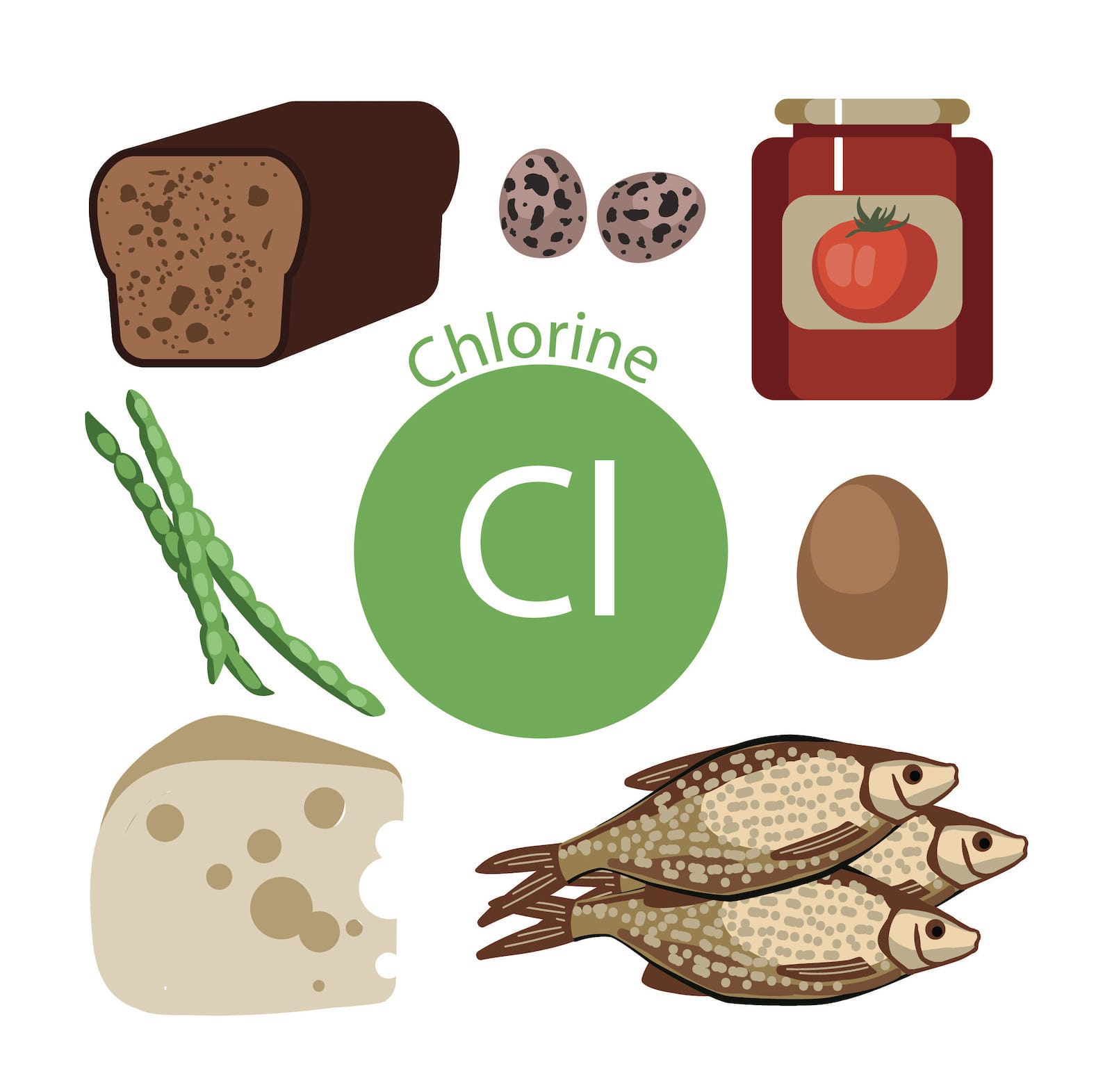
Food that contains this element the most.
Sulfate

Sulfate (SO4) has a slightly salty and bitter taste.
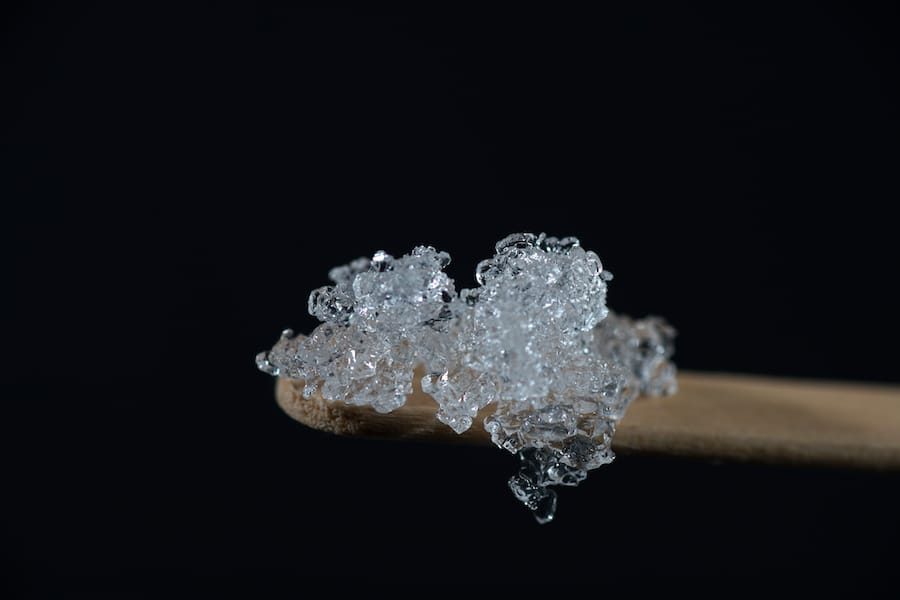
Sulfate plays an important role in the fat metabolism and liver detoxification process. It helps to improve digestion, stimulates intestinal and biliary function.
High sulfate mineral waters can stimulate digestion. It acts as a lightweight laxative but does not addict. Those who regularly use sulfate-containing mineral water naturally stimulate intestinal activity and prevent the onset of constipation.
When used with magnesium and calcium, the effect of sulfate can be increased.
Carbonate

Carbonate is a salt of carbonic acid, characterized by the presence of the carbonate ion, CO2-3. The concentration of carbonates in natural waters is a function of dissolved carbon dioxide, temperature, pH, cations and other dissolved salts.
Hydrogen Carbonate

Hydrogen carbonate (HCO3), also called bicarbonate, tastes light, soap-like.
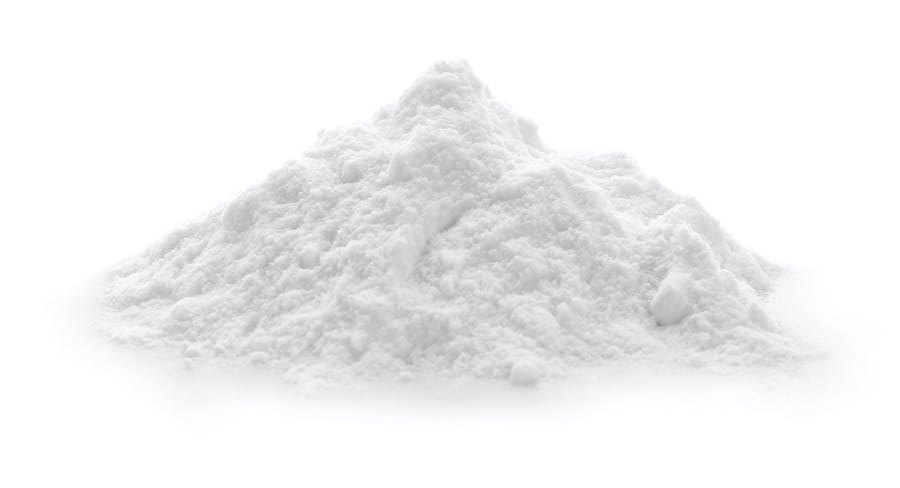
It has an alkaline effect, and it can improve the body's acid-alkaline balance, i.e., bicarbonate is able to bond the stomach acid.
Hydrogen carbonate can help with various digestive problems. Water with high bicarbonate content gently relieves heartburn and may reduce inflammation of the gastric mucosa.
Hydrogen carbonate is not a mineral, but is the salt of carbonic acid, and is present in each mineral water.
Thanks to the acid-neutralizing effect, it not only delivers a pleasantly neutral and natural flavor to mineral water but also improves the body's acid-alkali balance.
Silicic Acid
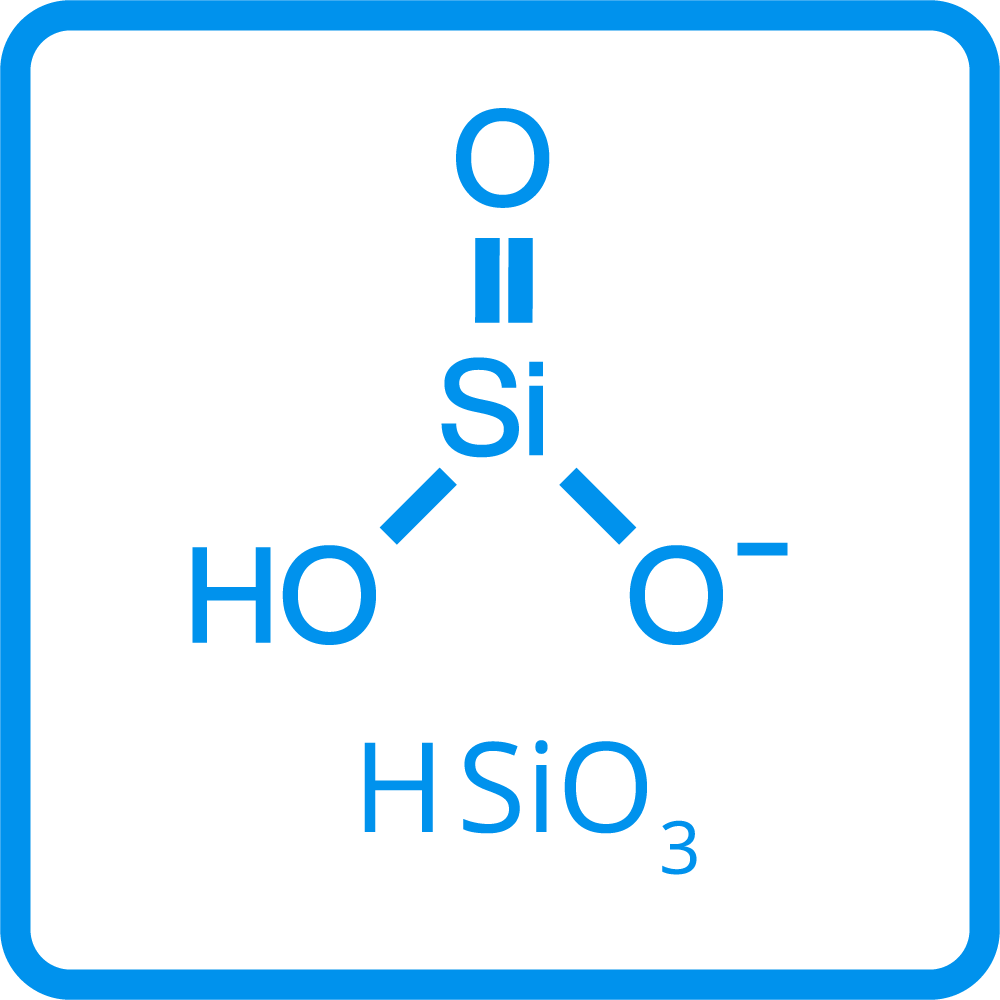
Silicic Acid (Si/SiO2/H2SiO3), also known as silicon, is a real well-being and beauty mineral, which tastes neutral.
Silicon helps to strengthen nails, hair, and skin, stimulate collagen and elastin synthesis in the body.
Silicon is important for everybody.
Silicon plays an important role in bone formation, which contributes to the absorption of calcium. The strength of tendons and connective tissue also depends on the amount of silicon in the body, it also strengthens the immune system.
The deficiency of silicon can cause bone flesh (osteoporosis), brittle nails and hair, pallor, wrinkle skin, etc..
Silicon in nature is not present in pure form, it is always in combination with oxygen - like silicic acid.
Food that contains this element the most.
Total Silicon amount

Silicic Acid (Si/SiO2/H2SiO3), also known as silicon, is a real well-being and beauty mineral, which tastes neutral.
Silicon helps to strengthen nails, hair, and skin, stimulate collagen and elastin synthesis in the body.
Silicon is important for everybody.
Silicon plays an important role in bone formation, which contributes to the absorption of calcium. The strength of tendons and connective tissue also depends on the amount of silicon in the body, it also strengthens the immune system.
The deficiency of silicon can cause bone flesh (osteoporosis), brittle nails and hair, pallor, wrinkle skin, etc..
Silicon in nature is not present in pure form, it is always in combination with oxygen - like silicic acid.
Food that contains this element the most.
Fluoride

Fluoride (F) has a sweet and soapy taste and it plays a very important role in bone and tooth structure.
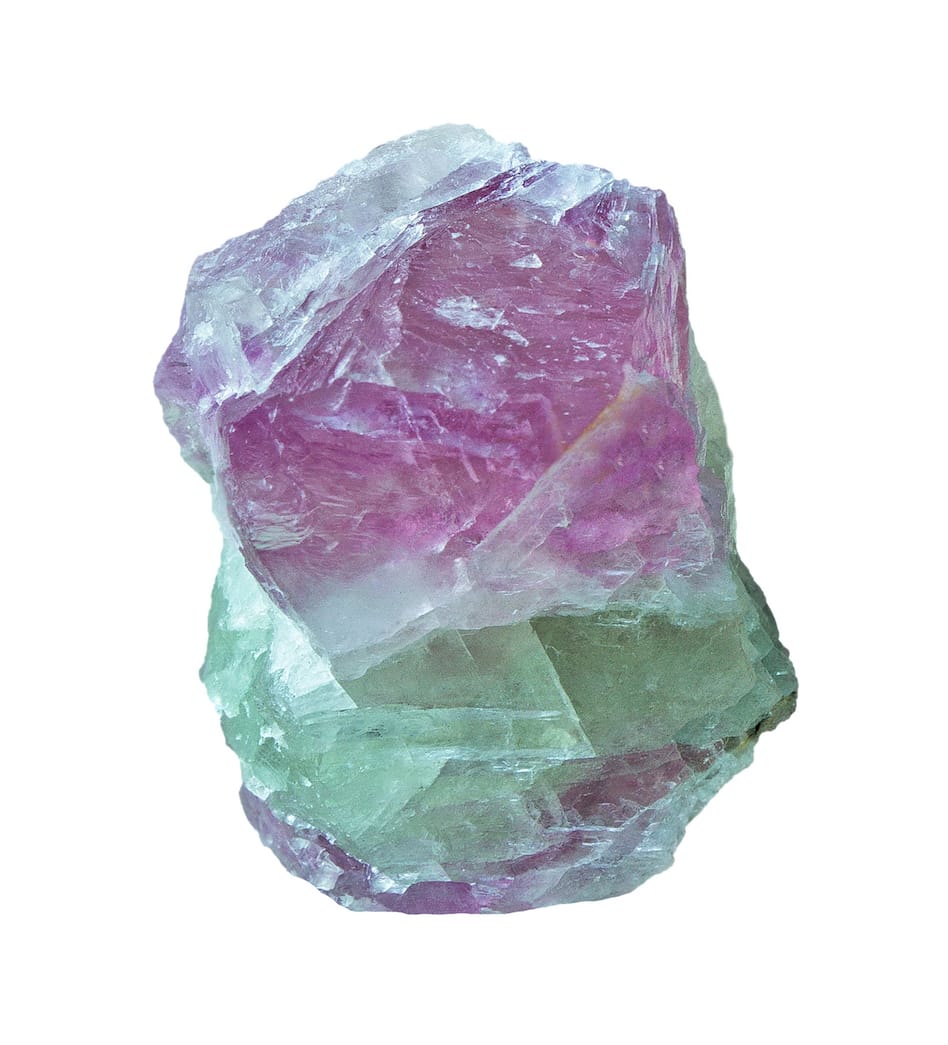
Fluoride naturally occurring in water can be above, at, or below recommended levels.
Fluoride remains in the teeth and can inhibit dental caries. It also increases bone density.
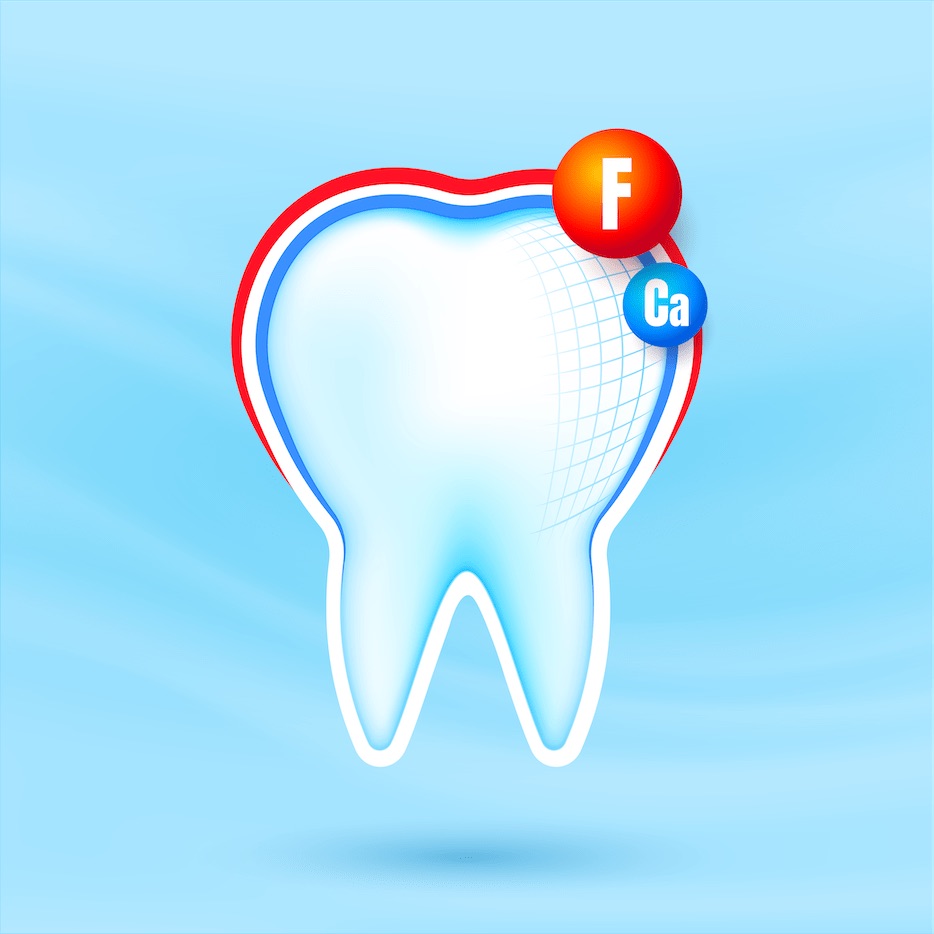
The result of fluoride deficiency may be brittle bones and bad teeth.
Caution: too much unhealthy. Children and adolescents need fluoride for growing teeth, but they should not be consumed too much. Therefore, the legislator has laid down an appropriate reference to the labeling of mineral waters with a fluoride content of more than 1.5 mg/l. For children under 7 years of age, it is not recommended to drink such water every day for prolonged periods.
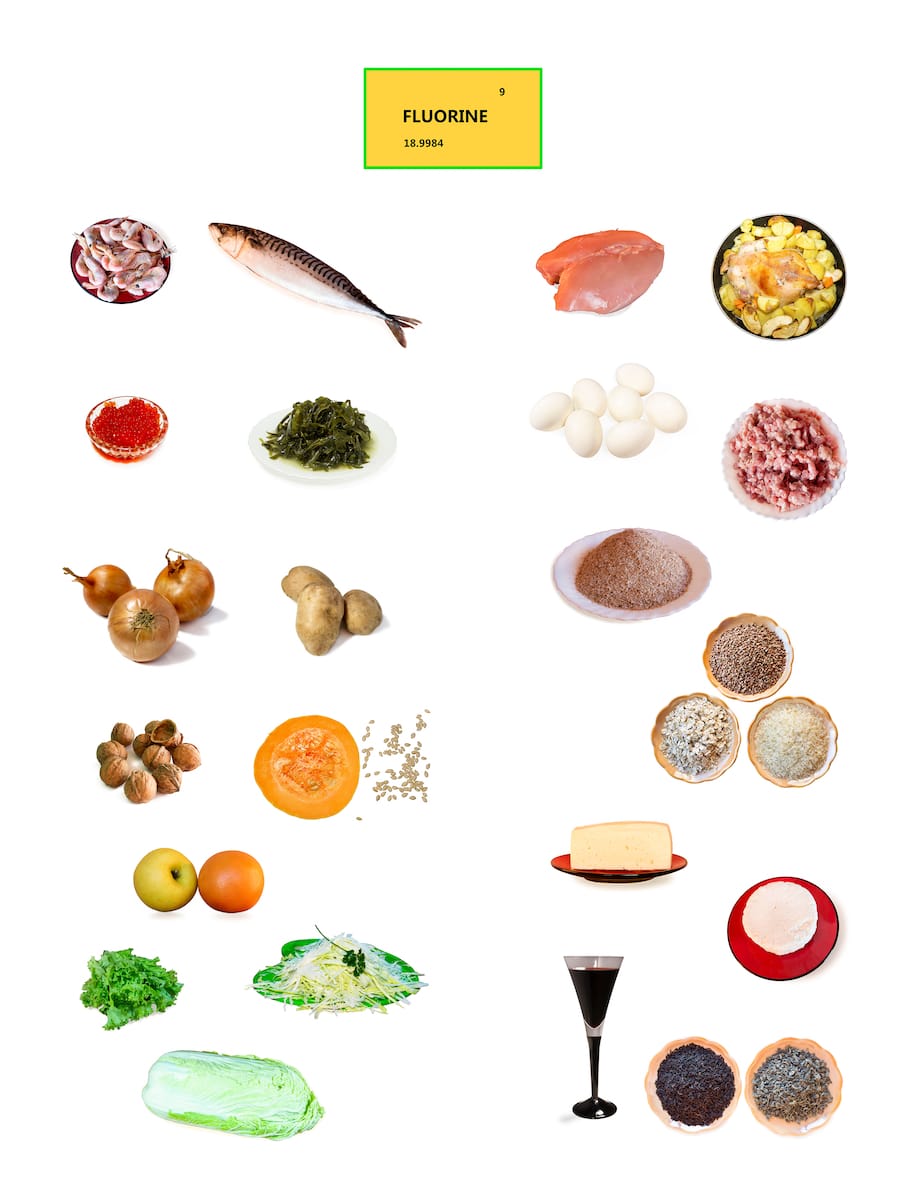
Fluoride tends to be concentrated also in tea, coffee, shellfish, spinach, grapes, raisins, carrots, wine, cucumber, dill herb, tomatoes, asparagus, beans, peas, white rice, and potatoes.
It is important to understand that natural fluoride and synthetic industrial fluoride is quite a different substance.
Food that contains this element the most.
Lithium

Lithium (Li) is a naturally occurring trace element found in seaweed, dairy, eggs, potatoes and fruit, and vegetables grown in lithium-rich soil.
Lithium readily forms salts in the body that are necessary for cellular interaction, including the flow of sodium through muscle and nerve cells in the body.
Plays a potentially important role in depressive disorder.
Japanese and Austrian scientists have observed that in places where the water contains lithium people suffer much less from depression.
Water should not contain more than 7,5mg/l Lithium.
Sodium

Sodium (Na) has a salty taste.
Combined with chloride and potassium sodium regulates fluid balance in the body, it is necessary for nerve and muscle activity, for the activation of enzymes.
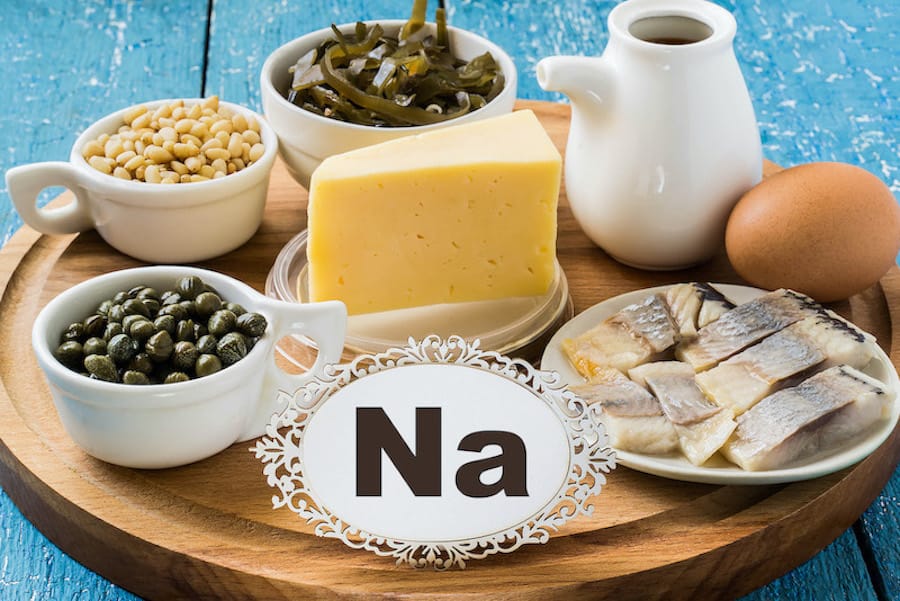
Most often sodium is taken with salt-containing products.
Every day you need 3000 mg of sodium and 3000 mg of chloride. Athletes need more sodium.
Sodium deficiency can cause weakness and seizures, even up to the circulatory collapse, especially in sports.
Caution: Sodium is not the same as cooking salt.
If there is a lot of physical activity, the amount of sodium needed per day may increase.
We often hear alerts on sodium overdoses, usually associated with salt in the diet. The cooking salt is a chemical compound - sodium chloride.
Mineral waters typically contain sodium in the form of sodium bicarbonate and only very small amounts such as sodium chloride.
If you are considering a low salt diet, use mineral water with low sodium content.
Food that contains this element the most.
Potassium

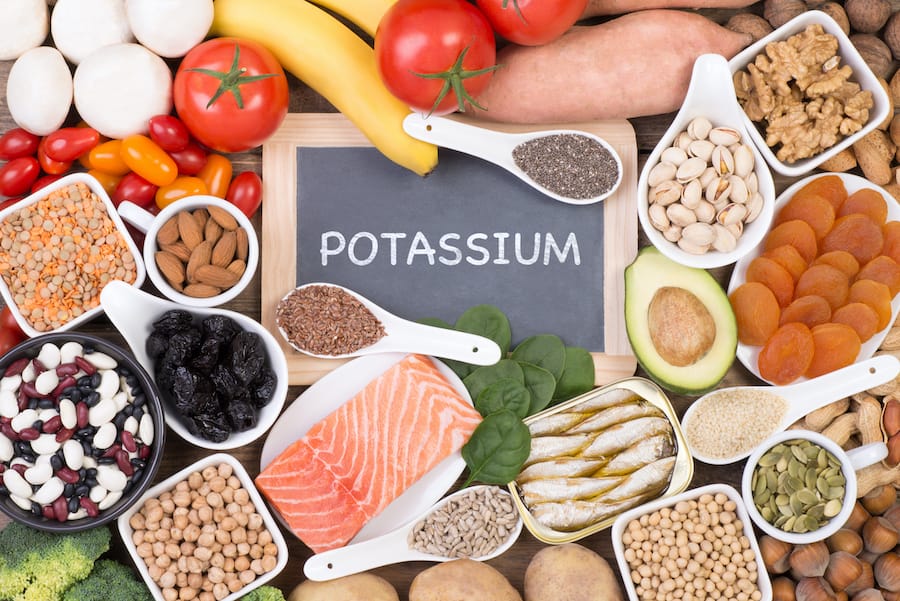
Potassium (K) provides water balance in the body.
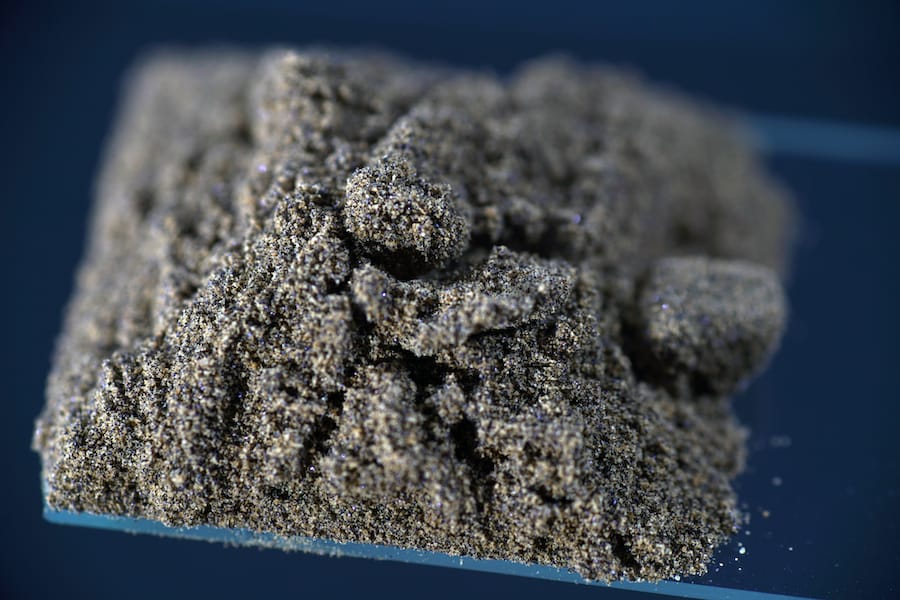
It tastes a bit salty and bitter.
Potassium plays an important role in the regulation of fluid and acid-alkaline balance.
Potassium activates various enzymes and is especially important for heart and muscle activity.
Potassium is up to 98% in the body cells.
Potassium deficiency causes muscle weakness, decreased blood pressure, disturbances in heart rate, loss of appetite, and constipation.
A good recommendation for active athletes is to consume potassium-rich waters.
Potassium regulates cardiac and muscle activity relaxes muscles and nerves. Together with sodium, it helps to maintain the balance of water in the body.
When eating plenty of vegetables, fruits, and milk, you can take the necessary 2 grams of potassium daily.
Food that contains this element the most.
Calcium

Calcium (Ca) can leave a dry aftertaste.
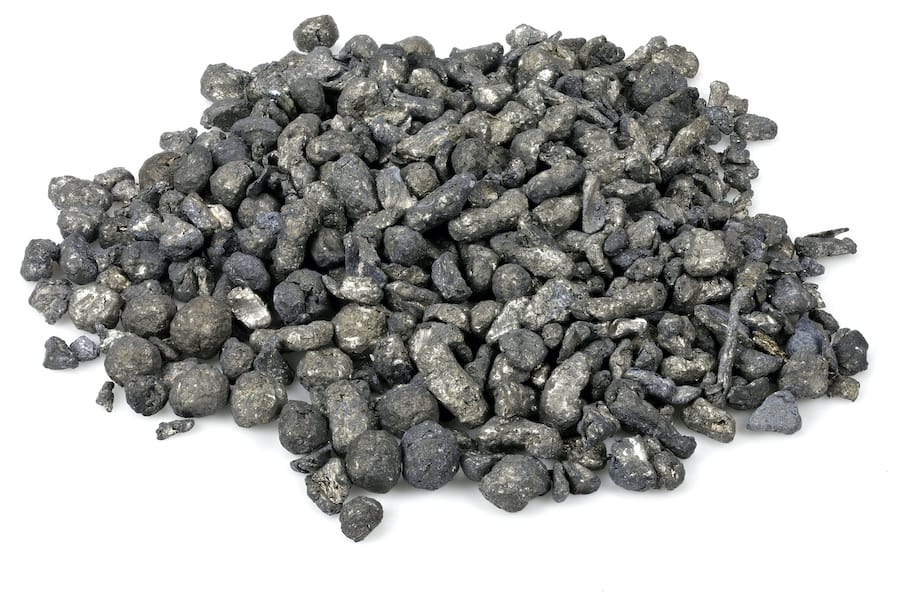
Calcium strengthens bones, teeth and is responsible for nerve impulse action.
If you eat dairy products on a daily basis, that's enough. The other good alternative may be calcium-containing water.
Calcium plays an important role in the formation and maintenance of bones and teeth.
Calcium in the nerves and muscle cells is responsible for impulse and hormonal signal transmission. It also regulates the activity of different enzymes, it has anti-inflammatory and anti-allergic properties.
Every day you need about 1000 mg.
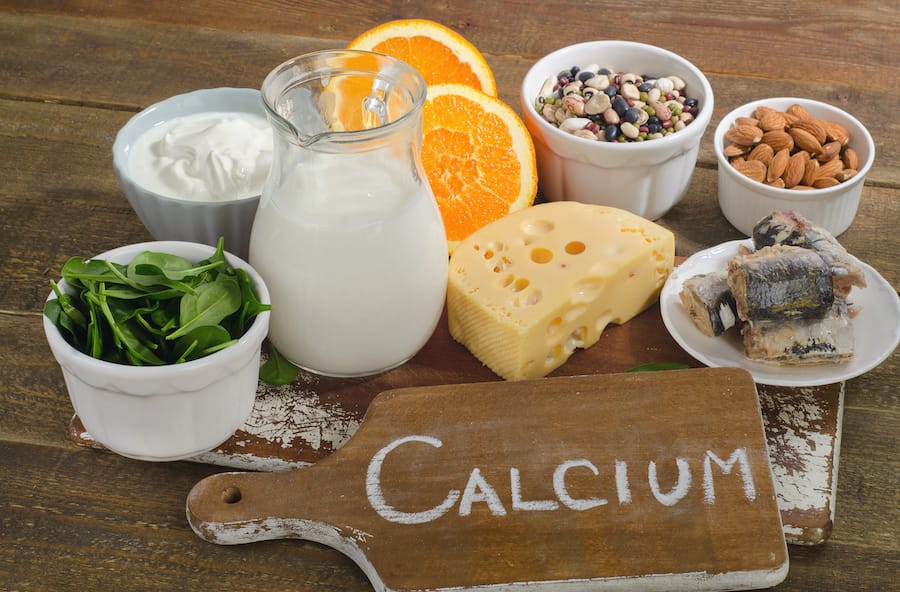
Young people and seniors should receive more calcium. Especially a lot of calcium is in milk and cheese. If you do not eat dairy products every day, calcium-containing mineral water is a great alternative.
If calcium is lacking, the body is taking it from the skeletal bone, which can cause osteoporosis or "bone loss" in the long run. Especially it may affect older people, mainly women. Calcium deficiency can also cause headaches, muscle spasms, and irritability.
Food that contains this element the most.
Magnesium

Magnesium has a bitter taste, sometimes it can give a sweet aftertaste.
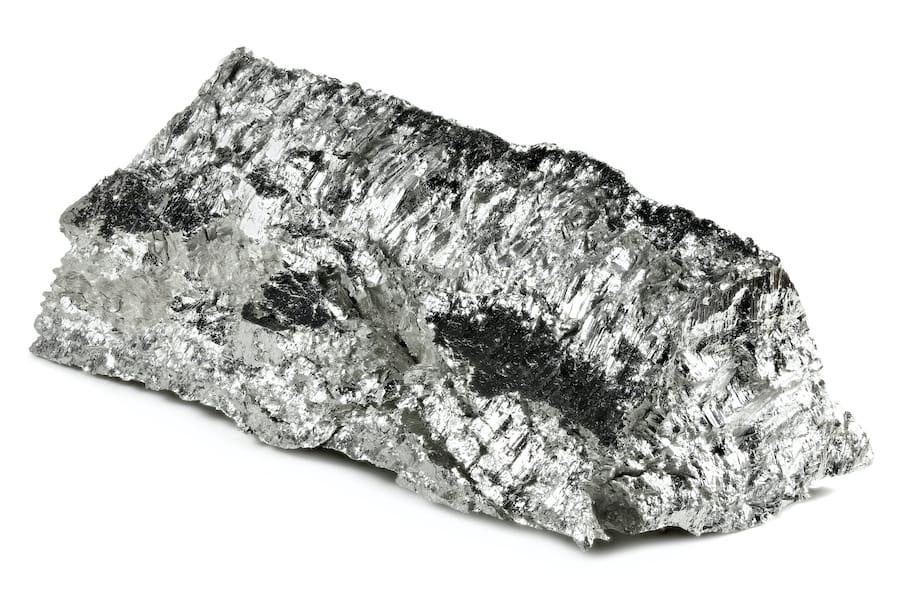
Magnesium is a very important element for the heart.
It is considered to be an antistress mineral and is also vital for the skin.
Magnesium is important for the transport of nerve impulses, which helps the muscles to relax.
Magnesium activates more than 300 enzymes in the body and regulates electrochemical impulses.
Every day you need 350 mg for men, 300 mg for women, 400 mg for young people.
More magnesium is needed for pregnant women, athletes, and people in stressful situations.
Manifestations of magnesium deficiency: leg cramps, migraine, headache, cardiac and circulatory organ failure, may be at increased risk of thrombosis.
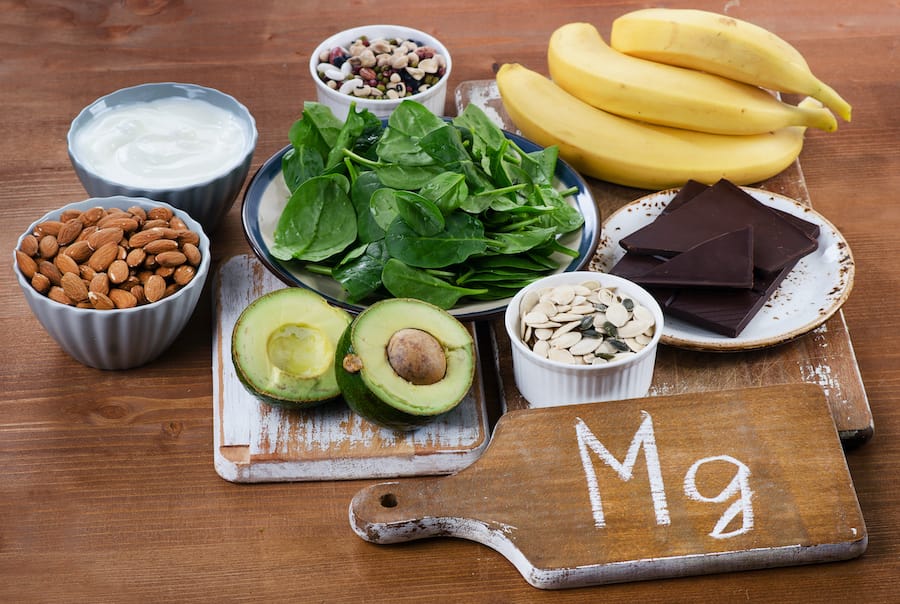
Food that contains this element the most.
Iron

Iron’s (Fe) primary role in the body is with regard to the formation of hemoglobin, which guarantees circulation of the blood and oxygenation to various organ systems.
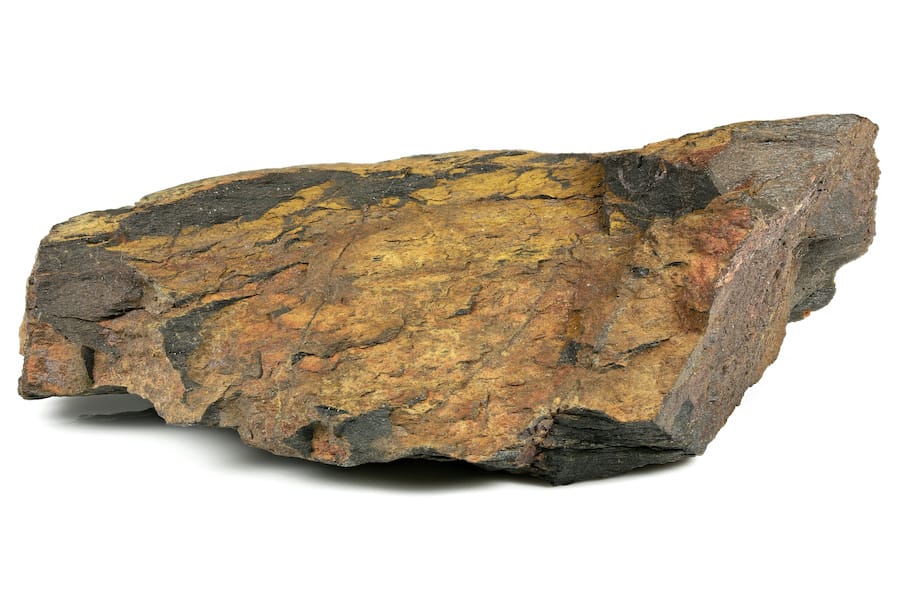
Without iron, anemia sets in, this is manifested in muscle weakness, fatigue, gastrointestinal disorders, and cognitive malfunction.
Apart from that, it is a key element for ensuring proper body metabolism, muscle activity, brain function, and the regulation of body temperature.
Further, it also aids in boosting immunity and giving relief from insomnia and restless leg syndrome.
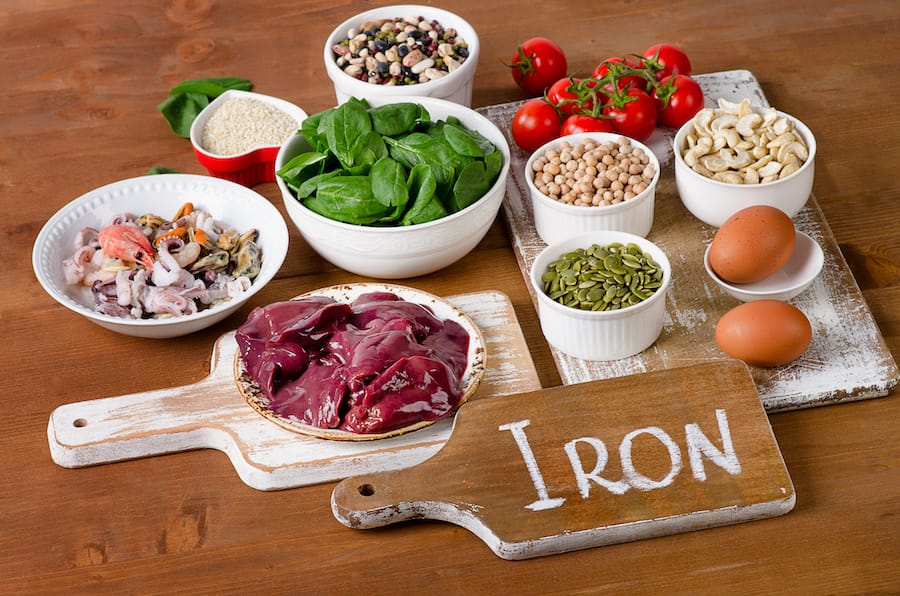
Food that contains this element the most.
Manganese

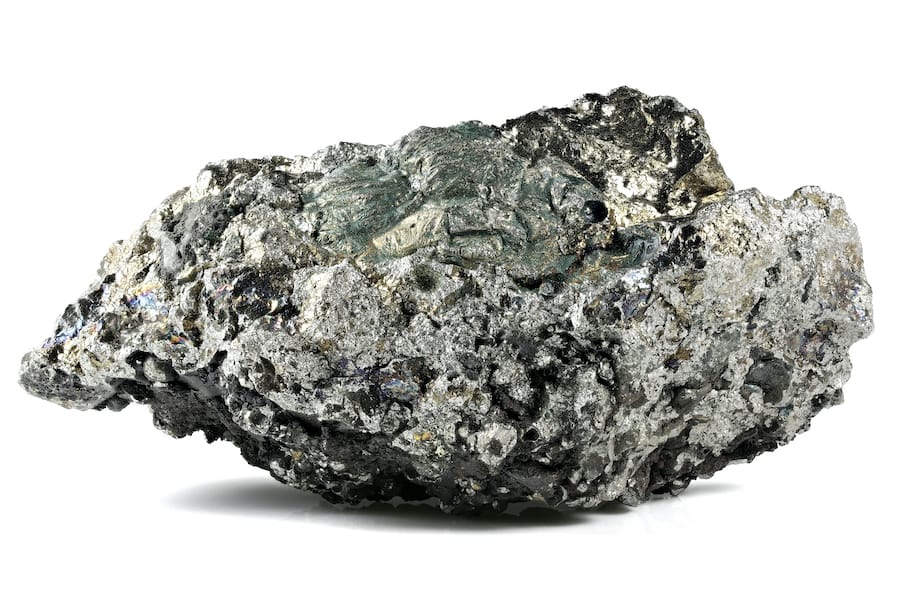
Manganese (Mn) plays an important role in the management of body metabolism, osteoporosis, reducing fatigue, reproduction, sprains, inflammation, brain function, and epilepsy.
Nitrat

Nitrate (NO3). The presence of nitrates indicates water pollution.
Nitrates in water may also be of natural origin, without chemical pollution of water. Geologists have observed that naturally, nitrate levels can be up to 15mg / l.
A small amount of nitrates is found even in waters where they should not seem to be. For example, in glacial waters, where hundreds of kilometers of economic activity do not occur.
We ingest nitrates with food or drinking water. They are harmless to adults without intestinal problems if the limit values are not exceeded.
Compared to tap water, mineral waters are mostly low in nitrate. Mineral waters are more protected from environmental effects, such as fertilizers and other chemicals, as sources are usually deep underground and are regularly tested.
The nitrate limits are:
- 0-1 mg / l - superior,
- 1-4 mg / l - very good,
- 4-7 mg / l - well,
- 7-10 mg / l - acceptable,
- 10-50 mg / l - within the normal range.
But if NO3 and NO2 pollution is not indicated on the bottle, it does not mean that it is not there.

Nitrit

Nitrite (NO2). Nitrites enter the human body in two ways: by direct content or by nitrates, which in the digestive tract (mainly in the oral cavity, also the stomach or intestine), are converted into nitrites by the action of the enzyme nitrate reductase.
The presence of nitrites indicates the contamination of water.
In the European Union, the permissible daily dose of nitrites is 0.1 mg/kg of mass (in terms of sodium nitrite)
Amonium

Ammonia is not of direct importance for health in the concentrations to be expected in drinking water.
Generally, the concentration of ammonium ions in drinking water is significantly lower than those that could have a toxic effect on the human body.
Studies show toxic effects at ammonium levels above 200 mg/kg body weight. Natural levels in groundwaters are usually below 0.2 mg of ammonia per liter. Higher natural contents (up to 3 mg/l) are found in strata rich in humic substances or iron or in forests. Surface waters may contain up to 12 mg/l.
Ammonium is a natural component of many foods. Minor amounts of ammonium compounds (<0.001–3.2%) are also added to foods as acid regulators, stabilizers, flavoring substances, and fermentation aids.
The estimated daily ammonia intake through food is 18 mg, by inhalation less than 1 mg.
Source:http://www.who.int/water_sanitation_health/dwq/ammonia.pdf

Birth Place
Find stores
About Source
Natural Mineral Water
In Europe, there are 3 main categories of water types: Natural Mineral Water, Natural Spring Water and Drinking Water/Table water. It is important to understand that any of these water categories except distilled water can contain a large variety of different minerals.Only distilled water does not contain any minerals and it is deionized. All other water categories correspond to one of these three main categories. All of them have different certification requirements and standards. The only water type that needs official recognition is Natural Mineral Water and its chemical composition is always stable. Natural mineral water is tested with around 200 individual examinations and is the only food product required for official recognition.
Both Natural Mineral Water and Natural Spring Water cannot be mixed with other water types and there must be nothing added or taken out from the water. These two water types must stay natural as they are and must be bottled only at the water birthplace from an underground source. Exceptionally, iron may be separated.
On the label must be written Natural Mineral Water. Unlike Drinking Water it has more flexible rules, the chemical composition may be changed, and it can be any water that corresponds to the requirements of Drinking Water. These three categories do not have any connection with the mineral amount in the water, it is the pure status of certification (in Europe.) Please find out more about these categories in Learning Materials.
Packaging
-
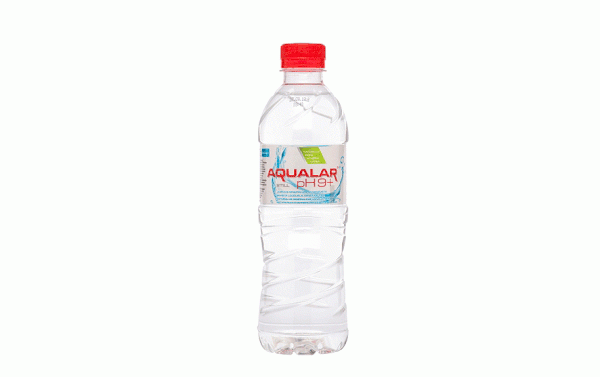
Material PET 0.5l
PET bottles should be carefully stored. 1) Under no circumstances allow overheating the bottle. If the bottle has overheated, it should be discarded. Overheated bottles will usually have a mild alcoholic smell after opening. (In summer, PET bottles are best stored in the car trunk.) Do not leave the bottle in the car under direct sunlight, it may have a magnifying glass effect and may damage the car. 2) Do not put PET bottles in direct sunlight (the sun makes the water more oxidative). 3) It is important not to store the bottles next to evaporating chemicals as the PET material is air permeable- some chemical particles could get into the water. 4) Handle any material responsibly and dispose it in an appropriate recycling container. Each person's responsible actions are important! -
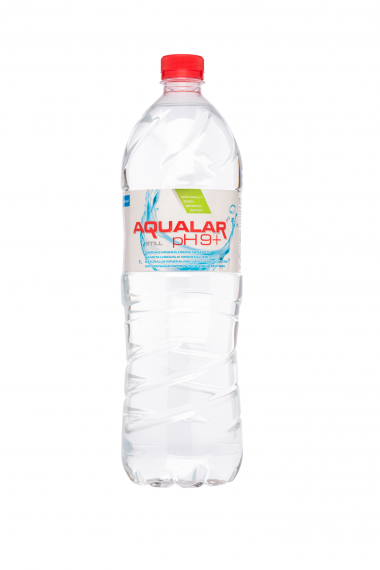
Material PET 1.5l
PET bottles should be carefully stored. 1) Under no circumstances allow overheating the bottle. If the bottle has overheated, it should be discarded. Overheated bottles will usually have a mild alcoholic smell after opening. (In summer, PET bottles are best stored in the car trunk.) Do not leave the bottle in the car under direct sunlight, it may have a magnifying glass effect and may damage the car. 2) Do not put PET bottles in direct sunlight (the sun makes the water more oxidative). 3) It is important not to store the bottles next to evaporating chemicals as the PET material is air permeable- some chemical particles could get into the water. 4) Handle any material responsibly and dispose it in an appropriate recycling container. Each person's responsible actions are important! -
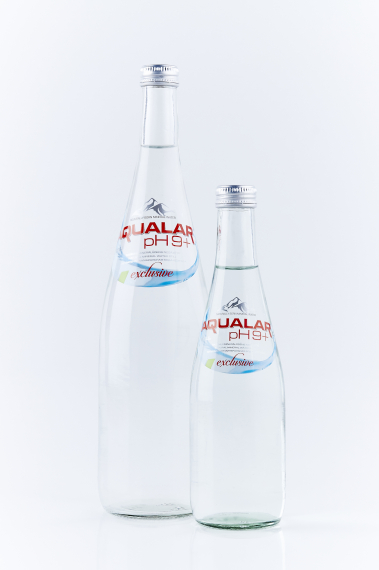
Material Glass 0.73l
Any water wishes to be bottled in a glass bottle. It is a safe non-reactive material. Don't leave the bottle in the car in direct sunlight, it can have a magnifier effect and damage the car. -
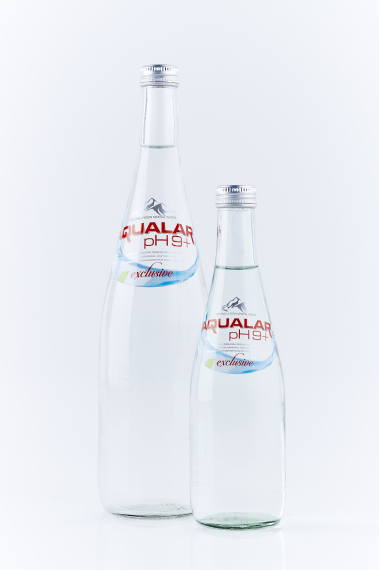
Material Glass 0.33l
Any water wishes to be bottled in a glass bottle. It is a safe non-reactive material. Don't leave the bottle in the car in direct sunlight, it can have a magnifier effect and damage the car. -
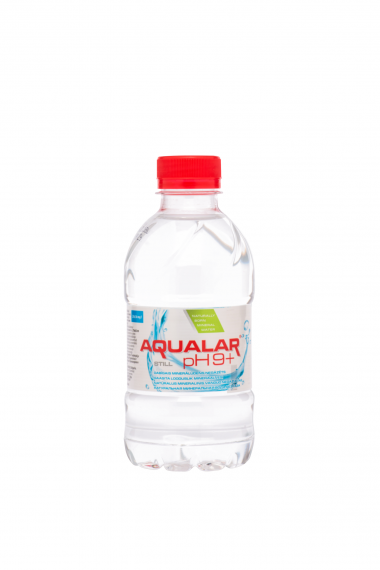
Material PET 0.33l
PET bottles should be carefully stored. 1) Under no circumstances allow overheating the bottle. If the bottle has overheated, it should be discarded. Overheated bottles will usually have a mild alcoholic smell after opening. (In summer, PET bottles are best stored in the car trunk.) Do not leave the bottle in the car under direct sunlight, it may have a magnifying glass effect and may damage the car. 2) Do not put PET bottles in direct sunlight (the sun makes the water more oxidative). 3) It is important not to store the bottles next to evaporating chemicals as the PET material is air permeable- some chemical particles could get into the water. 4) Handle any material responsibly and dispose it in an appropriate recycling container. Each person's responsible actions are important! -
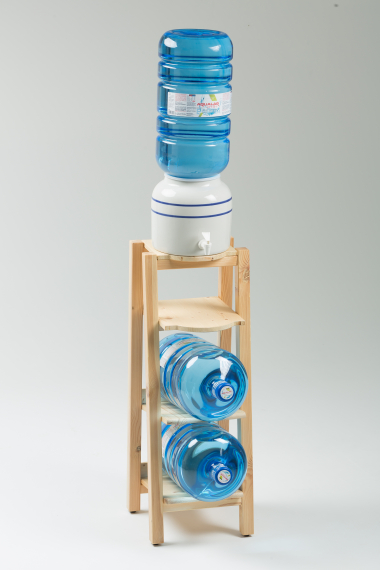
Material BPA-free 19l
This is a material that does not contain BPA (BPA or bisphenol A is a chemical that is added to many commercial products, including food and hygiene containers.) -
Material PET 1.5l
PET bottles should be carefully stored. 1) Under no circumstances allow overheating the bottle. If the bottle has overheated, it should be discarded. Overheated bottles will usually have a mild alcoholic smell after opening. (In summer, PET bottles are best stored in the car trunk.) Do not leave the bottle in the car under direct sunlight, it may have a magnifying glass effect and may damage the car. 2) Do not put PET bottles in direct sunlight (the sun makes the water more oxidative). 3) It is important not to store the bottles next to evaporating chemicals as the PET material is air permeable- some chemical particles could get into the water. 4) Handle any material responsibly and dispose it in an appropriate recycling container. Each person's responsible actions are important! -
Material PET 0.5l
PET bottles should be carefully stored. 1) Under no circumstances allow overheating the bottle. If the bottle has overheated, it should be discarded. Overheated bottles will usually have a mild alcoholic smell after opening. (In summer, PET bottles are best stored in the car trunk.) Do not leave the bottle in the car under direct sunlight, it may have a magnifying glass effect and may damage the car. 2) Do not put PET bottles in direct sunlight (the sun makes the water more oxidative). 3) It is important not to store the bottles next to evaporating chemicals as the PET material is air permeable- some chemical particles could get into the water. 4) Handle any material responsibly and dispose it in an appropriate recycling container. Each person's responsible actions are important!
Average retail price


